
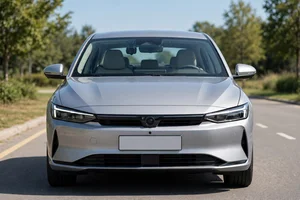
What is ADAS in cars? ADAS stands for Advanced Driver Assistance Systems, a set of safety features that help you avoid crashes and drive with less stress. Cameras, radar, and sensors watch the road and warn you or brake for you when danger appears. This guide explains how ADAS works, the main features, which 2026 cars have it, its limits, and whether it is worth paying for.
You see a small camera behind your windshield every day, and you may wonder what it does. What is ADAS in cars? It is the set of driver help systems that watch the road with you and step in before a small mistake turns into a crash. Most new cars in 2026 carry at least a few of these features, and many buyers now expect them as standard kit.
The problem is that the names confuse people. One brand calls it Safety Sense, another calls it Sensing, and a third calls it Co-Pilot360. They all do similar jobs, yet none of them drive the car for you.
In this guide you will learn how the sensors work, which features matter most, which 2026 models carry them, where the tech still falls short, and how to decide if the extra cost is worth it for your next car.
What is ADAS in cars?
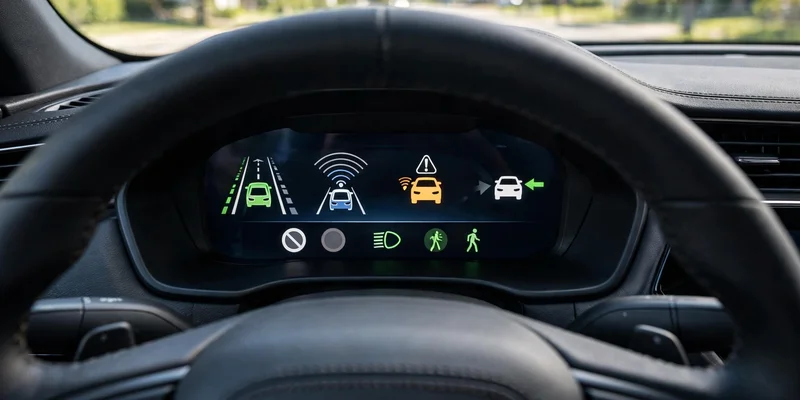
ADAS stands for Advanced Driver Assistance Systems. It is a group of electronic safety features that use sensors to watch the road and help you avoid crashes.
Think about it this way. Your car has extra eyes that never blink. A camera reads lane lines and road signs, radar tracks the car ahead, and ultrasonic sensors watch the space close to your bumpers. The car computer reads all of that data in real time and warns you, or acts, when it sees danger.
Here is the thing. ADAS is a helper, not a driver. You still steer, brake, and make the calls. The system only steps in for a second or two when it spots a risk you missed. That is the line between driver help and self driving, and it matters a lot.
- ADAS is a bundle of features, not one single system – Automatic braking, lane keeping, and blind spot alerts are all ADAS, yet each one does a different job. A car can have some of them and still lack others, so check the exact list before you buy.
- Every car maker gives it a different brand name – Toyota calls its suite Safety Sense, Honda calls it Sensing, and Ford calls it Co-Pilot360. The names differ, but the core jobs are the same, so compare the feature list, not the badge.
How does ADAS work?
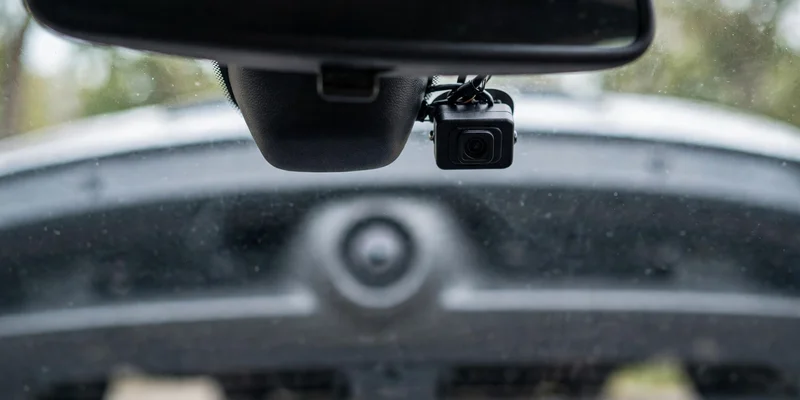
ADAS works by reading the road with cameras, radar, and ultrasonic sensors, then letting a computer decide when to warn you or act. The whole loop runs many times per second.
The camera behind the windshield reads lane lines, speed signs, and other cars. Radar in the grille or bumper measures the distance and speed of the car ahead, even in light rain or fog. Ultrasonic sensors in the bumpers watch the short range around the car for parking and low speed moves. A few luxury models add lidar, which builds a 3D map with laser light, but most 2026 cars still rely on camera and radar.
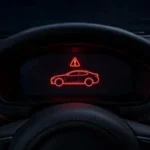
When the computer spots a risk, it reacts in steps. First it warns you with a beep, a flashing icon, or a seat vibration. If you do not react, it can brake, steer a little, or cut the throttle. The system hands control back to you as soon as the danger passes.
- Sensors feed the computer fresh data all the time – A front camera can take 30 frames per second, and radar updates even faster. That speed is why the car can brake before you even lift your foot.
- Software decides what counts as a real danger – A plastic bag in the road should not trigger a hard brake, while a stopped truck must. Good software tells the two apart, and it gets better with each model year.
- Calibration keeps the sensors honest – After a windshield change or a bumper repair, the camera and radar need a reset so they aim right. A shop checks this with an Autel diagnostic tool, and an automotive oscilloscope kit can trace a faulty sensor signal in fine detail.
What are the main ADAS features?
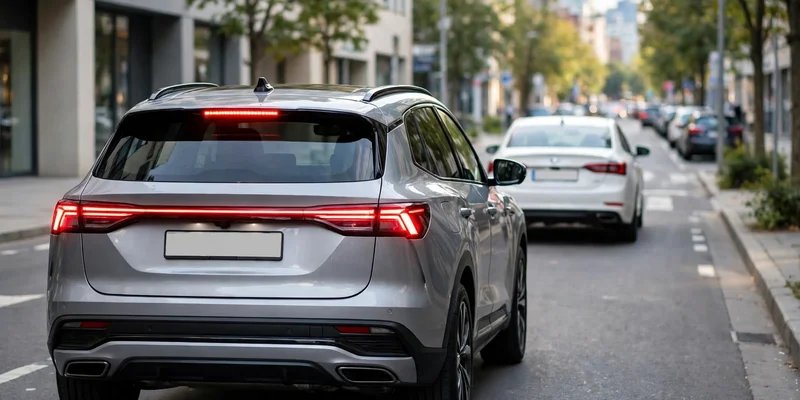
The main ADAS features are automatic emergency braking, adaptive cruise control, lane keeping assist, blind spot monitoring, rear cross traffic alert, and parking assist. These six cover most of the real world value. Automatic emergency braking is the one that saves the most lives, since it stops the car when you are too slow to react. The rest cut stress on long drives and in tight parking lots.
Automatic emergency braking (AEB)
AEB watches the road ahead and brakes on its own when a crash looks likely. It works for cars, and on many 2026 models it also spots people on foot and cyclists. The US government will make AEB standard on new vehicles by 2029, which tells you how much trust it has earned.
Adaptive cruise control
Adaptive cruise control holds your set speed and slows down to keep a safe gap behind the car ahead. Traffic jam versions can stop and start again on their own in slow traffic. It turns a two hour highway drive into a far calmer trip.
Lane keeping assist and blind spot monitoring
Lane keeping assist nudges the wheel when you drift toward a lane line without signaling. Blind spot monitoring lights a small icon in your mirror when a car hides in your blind spot, and some systems beep if you signal into it. Rear cross traffic alert warns you of cars passing behind you as you back out of a parking space.
- Parking assist helps in tight spots – The system steers the car into a parallel or bay space while you control the pedals. It is a real help in a crowded lot, and it is standard on many mid trim 2026 models.
- Most of these features work together – AEB can use the same front camera as lane keeping, so one sensor often serves two jobs. That shared setup is why basic ADAS now costs car makers so little to fit. If you want to know which cars carry it, our guide to what is an electric vehicle shows how EVs pack ADAS in as standard.
Which cars have ADAS in 2026?
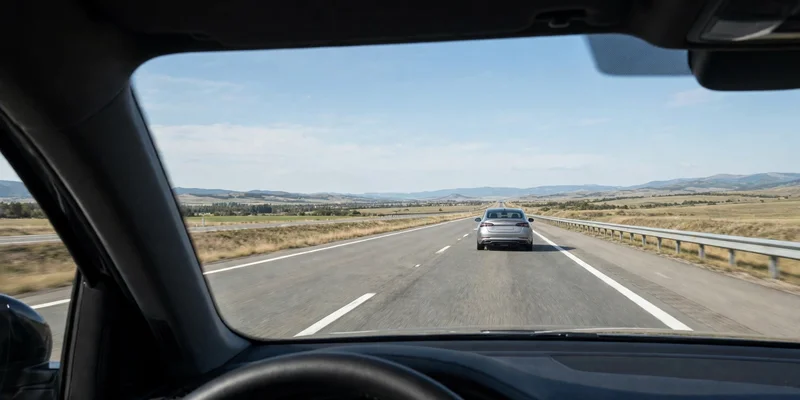
Most new cars sold in the US in 2026 have basic ADAS as standard, with Toyota, Honda, and Ford fitting it across nearly their whole range. Toyota Safety Sense comes on almost every new Toyota, from the Corolla to the RAV4. Honda Sensing is standard on the Civic, Accord, and CR-V. Ford Co-Pilot360 covers the F-150, Escape, and Explorer. Hyundai, Kia, Subaru, and Mazda follow the same pattern, so a buyer on a normal budget can get AEB and lane keeping without paying for a luxury badge.
Electric cars lead the pack here. Most new EVs carry a wide ADAS suite as standard, since their makers sell safety tech as part of the package. If you drive one, it helps to know how much does it cost to charge an electric car at home per month and how long a home charge takes, so read our guide to charge electric car at home before you pick a model.
- Base trims now include the core features – AEB, lane keeping, and blind spot alerts appear on most 2026 base models. You no longer need the top trim to get them, which was not true five years ago.
- Full hands free driving is still rare and pricey – Systems like GM Super Cruise and Ford BlueCruise let you take your hands off the wheel on mapped highways. They cost extra, they work only on approved roads, and they are not the same as basic ADAS.
- Older cars can add a little, but not much – A few aftermarket kits add blind spot alerts or a backup camera to an old car. They cannot add AEB or lane keeping, since those need deep links into the brakes and steering.
What are the limits of ADAS?
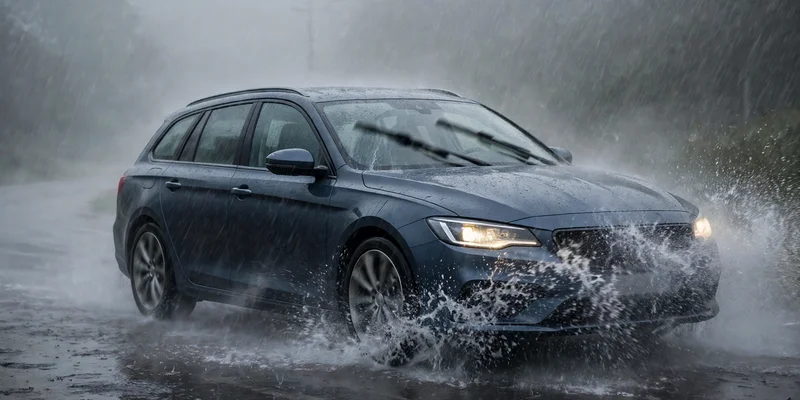
ADAS has real limits. It struggles in bad weather, on faded lane lines, and when sensors are dirty or blocked, and the driver must stay alert at all times.
Heavy rain, snow, and fog cut what cameras and radar can see. The system may warn you it has switched off, or it may simply work less well without telling you. Faded or missing lane lines leave lane keeping with nothing to follow, so it stops helping on old country roads. A dirty camera, a snow covered bumper sensor, or a cracked windshield can blind the system in a second.
The truth is that ADAS never takes a break for you. It can miss a small object, read a road sign wrong, or brake for a shadow. Your hands stay on the wheel and your eyes stay on the road, because you are still the driver.
- Bad weather is the biggest limit – Snow on the radar cover and ice on the camera lens can shut the system down. In winter, electric cars lose range in winter too, so cold weather asks more of you and your car at the same time.
- ADAS cannot fix a mechanical fault – A car that makes a car makes clicking noise when turning has a worn joint or axle, and no sensor can fix that. The same goes for a check engine light from bad oxygen sensor symptoms, which is an engine fault, not a driver help fault.
- The driver is the last safety net – ADAS can warn and brake, but it cannot judge a complex scene the way you can. If you treat it as a self driving car, you will be caught out. Keep your hands on the wheel and your focus on the road.
Is ADAS worth it?
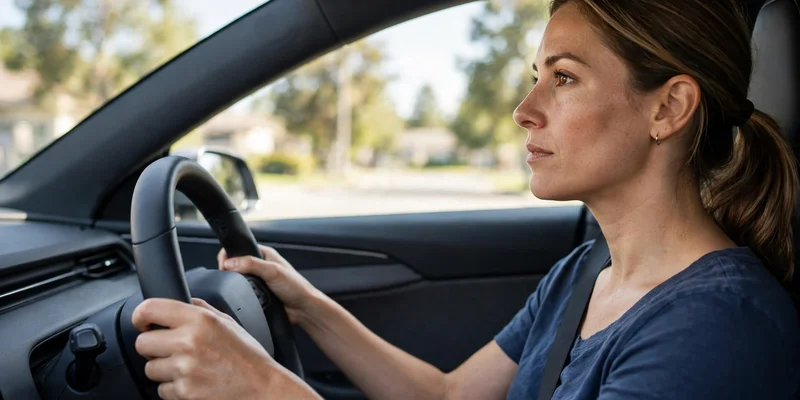
Yes, ADAS is worth it for most buyers in 2026, since basic features now come standard on most new cars and cut crash risk at little or no extra cost.
The safety data is clear. Cars with AEB crash into the car ahead far less often, and blind spot alerts cut lane change crashes. You get that protection every single drive, not just on long trips. For a family car or a daily commuter, that is hard to argue against.
Cost is the real question, and it has two parts. The sticker price is rarely the issue now, since basic ADAS is standard. The repair bill is the part people miss. A cracked windshield with a camera behind it costs more to replace, and a bumper sensor can add hundreds of dollars after a small hit. Fleet owners track these repair bills with automotive accounting software so they can see the true cost per car.
- Say yes to the standard suite – AEB, lane keeping, and blind spot alerts cost you nothing extra on most 2026 models. Take them, learn how they warn you, and keep the sensors clean.
- Think twice before paying for the top tier – Hands free highway driving is nice, but it costs a lot and works only on mapped roads. Test it on a real drive before you pay for it.
- Treat ADAS as a safety net, not a chauffeur – It is worth it when you use it as a backup for your own driving. It is not worth it if it makes you relax and look at your phone.
What does ADAS stand for in cars?
ADAS stands for Advanced Driver Assistance Systems. It is the name for the group of electronic safety features in a car that use cameras, radar, and sensors to watch the road. These features warn you of danger or step in to help you avoid a crash.
How does ADAS help drivers?
ADAS helps drivers by warning them of danger and acting fast when they react too slowly. It can brake for a stopped car, keep you in your lane, and warn you of cars in your blind spot. That help cuts crashes and makes long drives less tiring.
Is ADAS the same as self driving?
No, ADAS is not the same as self driving. ADAS only helps you drive, while a self driving car drives itself. With ADAS, you must keep your hands on the wheel and your eyes on the road at all times. No 2026 car sold in the US drives itself.
Does every new car have ADAS in 2026?
No, not every new car has full ADAS in 2026, but most do have basic features as standard. AEB and lane keeping now appear on most base models from Toyota, Honda, Ford, Hyundai, and Kia. Always check the exact feature list before you buy.
Can ADAS stop my car in an emergency?
Yes, ADAS can stop your car in an emergency through automatic emergency braking. The system watches the road ahead and brakes on its own when a crash looks likely. It works best at city speeds and may only slow the car at highway speeds.
What sensors does ADAS use?
ADAS uses cameras, radar, and ultrasonic sensors on most cars, with lidar on some luxury models. The camera reads lanes and signs, radar tracks the car ahead, and ultrasonic sensors watch the space near the bumpers. Together they give the computer a full view.
Does ADAS work in rain or snow?
ADAS works less well in heavy rain or snow, since water and ice block the cameras and radar. Light rain is usually fine, but heavy snow can shut the system down. Always drive slower in bad weather and never trust the system to see what you cannot.
How much does it cost to repair ADAS sensors?
Repairing ADAS sensors costs $300 to $1,500 in the US in 2026, based on the part and the car. A windshield camera reset after glass work costs $200 to $400, while a radar unit can cost over $1,000 fitted. Always get a quote before the work starts.
Conclusion
So, in this article, we covered what is adas in cars in detail. You now know that ADAS is a set of camera and radar based helpers that warn you, brake for you, and keep you in your lane. You also know which 2026 cars carry it, where it falls short in bad weather, and why it is never self driving. My advice is simple: buy the standard suite, learn its warning sounds, and keep the sensors clean. ADAS is worth it as a backup for your own driving, not as a replacement for it. If this guide helped you, share it with a friend who is shopping for a new car, and check our next Tech guide for your next car question.

3 thoughts on “What Is ADAS in Cars?”
Pingback: How Does Automatic Emergency Braking Work
Pingback: How Does Lane Departure Warning Work
Pingback: How Does Forward Collision Warning Work