

Yes, electric cars do lose range in winter, and the loss can reach about 41% at 20°F when you run the heater. Cold slows the battery and heating the cabin uses a lot of power. You will learn how much range to expect, why it happens, which EVs cope best, and how to keep more miles in US winters.
You check the dash on a cold morning, and the range number looks much lower than it did in July. You did not drive anywhere, so where did those miles go? If you ask do electric cars lose range in winter, the short answer is yes, and it happens to every EV on the road. A what is an electric vehicle guide will tell you the battery powers both the motor and the heater, so cold weather hits you twice. Here is the thing: the loss is real, but it is also predictable. Once you know what causes it, you can plan around it, and most drivers in cold states do exactly that every winter. Read on, and you will know what to expect before the first snow falls.
Do electric cars really lose range in winter?
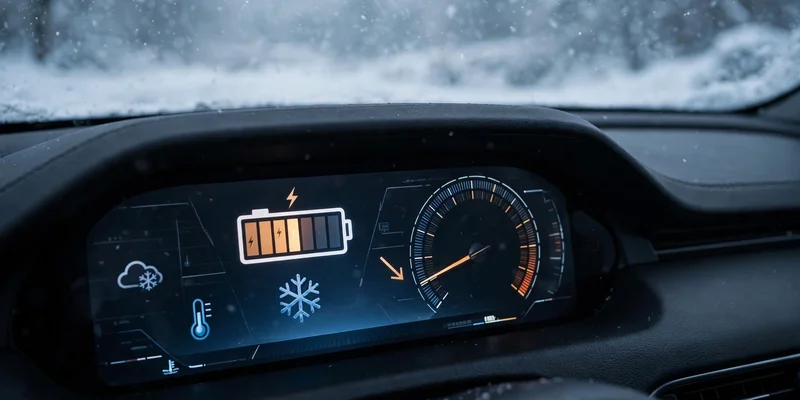
Yes, they do. Every lithium-ion EV loses some range in cold weather, and the US Department of Energy reports a loss of about 41% at 20°F with the heater on.
The DOE and AAA tested EVs at 20°F and found range fell by 12% with the heater off and by about 41% with it on full. A driver in Minneapolis at 72°F will see a bigger drop than a driver in Seattle who uses seat heaters.
What drivers notice first
- The range number drops before you move. An EV rated at 300 miles in summer may show 210 to 240 miles on a 20°F morning.
- Charging feels slower in the cold. A cold battery accepts power more slowly, so a 25-minute summer fast charge can take 35 to 45 minutes in winter.
How much range do electric cars lose in cold weather?
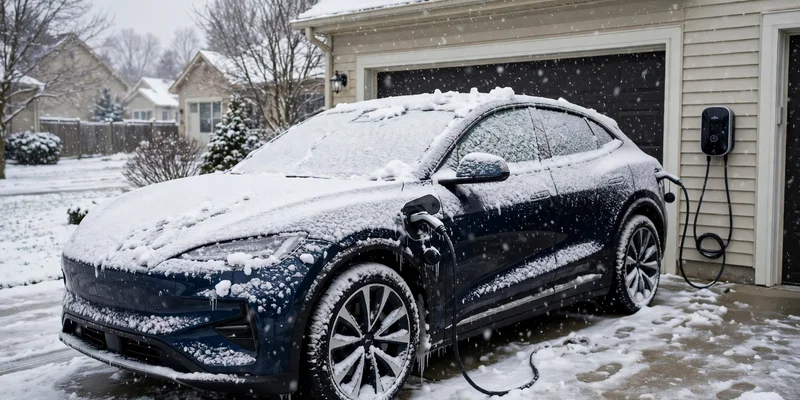
Most EVs lose 10% to 20% in mild cold around 32°F, and 30% to 41% at 20°F or below with the heater on.
A 250-mile EV can drop to about 200 miles at 32°F and to about 150 to 175 miles at 20°F with the heater running hard.
How the loss changes with temperature
- Around 20°F, expect a drop of 30% to 41% with the heater on. A driver in Detroit with a 60-mile round trip commute still has plenty left, but a 200-mile winter road trip needs a charging stop that summer would not need.
- Below 0°F, the loss can pass 40% on short trips. The battery and cabin must warm up again after every stop, so a short errand uses far more energy per mile than a long drive.
Why do electric cars lose range in winter?
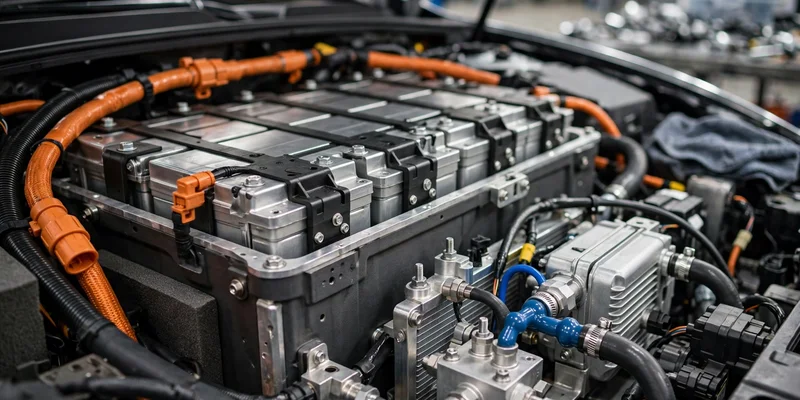
Cold slows the chemical reactions inside a lithium-ion battery, so it gives up less energy, while the heater draws power straight from that same battery.
Think of a cold battery like a cold muscle: it still works, but it moves slower. A store a classic car for winter guide deals with a gas car that sits still for months, but an EV battery should not sit at 100% or near 0% for weeks in the cold either.
The three main causes
- The battery chemistry slows down in the cold. Lithium ions move more slowly at 20°F, so the pack holds less usable energy until it warms up, and regen braking is limited too.
- Cabin heating uses a lot of power, often 3 to 5 kW. A resistive heater works like a space heater, while a heat pump moves heat instead of making it, so it uses far less power.
Which electric cars handle winter best?
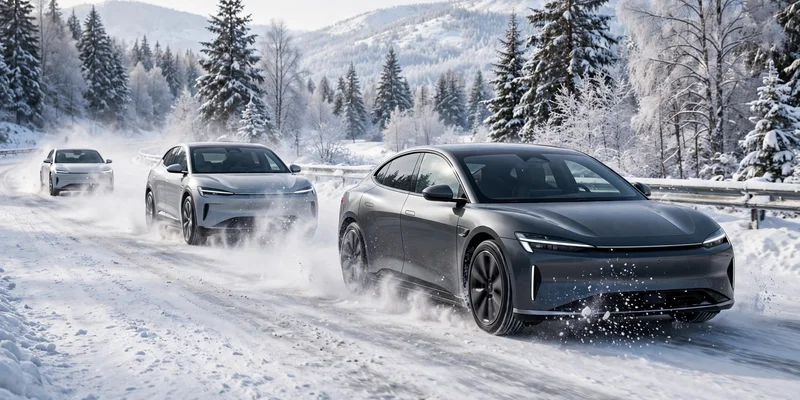
EVs with a heat pump, battery preconditioning, and all-wheel drive handle winter best, like the Tesla Model Y, Hyundai Ioniq 5, Kia EV6, and Ford F-150 Lightning.
A heat pump is the key feature to look for in 2026, and it can cut heating energy use by half or more. Good winter tires matter more than all-wheel drive alone.
What to check before you buy
- Look for a heat pump as standard, not an option. The Tesla Model Y and Model 3, the Hyundai Ioniq 5, the Kia EV6, and the Chevrolet Equinox EV all use heat pumps.
- Check for battery preconditioning and a heated steering wheel. Preconditioning warms the battery on the way to a charger, and heated seats and a heated wheel let you keep the cabin cooler.
- Pick a bigger battery if you drive far in winter. A 300-mile EV that drops to 200 miles in January still covers most trips, while a 200-mile EV that drops to 130 miles needs charging far more often.
How can you reduce winter range loss in an electric car?
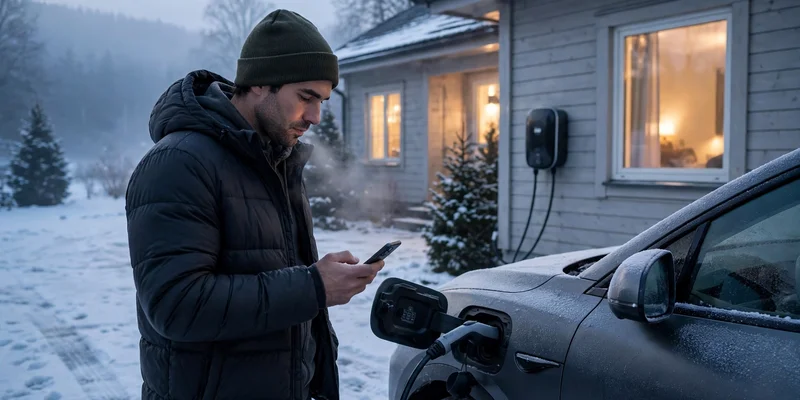
Preheat while plugged in, use seat heaters instead of full cabin heat, and keep the battery between 20% and 80% for daily driving.
Preheating is the single best trick. To charge an electric car at home on a Level 2 charger makes this easy, because the car draws heat from your house power, not from the battery.
Simple habits that save miles
- Preheat for 20 to 30 minutes while plugged in. A driver in Cleveland who preheats at 7 a.m. leaves with a warm cabin and a full charge.
- Use seat heaters and a heated steering wheel first. Seat heaters use about 50 to 100 watts each, while a cabin heater can use 3,000 to 5,000 watts.
Cold months bring more battery and tire checks into repair shops, as the auto repair shop profit margin guide shows. Clear snow and salt from sensors each week, the same routine care behind a start a car detailing business from home plan.
Should cold weather stop you from buying an electric car?
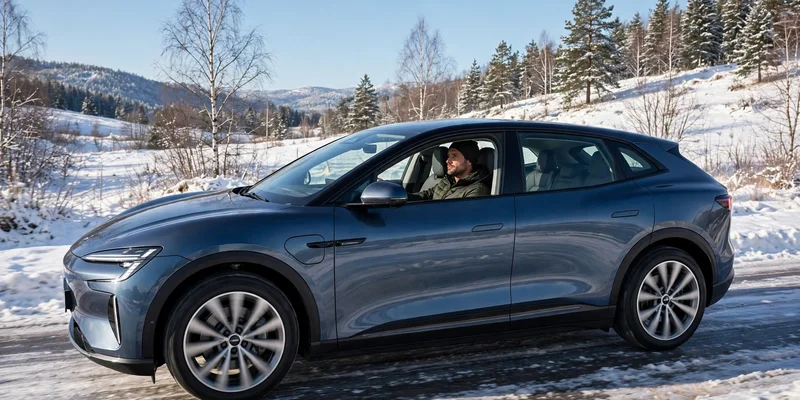
No, not if you can charge at home and you pick a model with a heat pump and enough range for your longest winter trip.
EVs already drive through winters in Norway, Canada, and the northern US. A driver in Boston with a home charger and a 40-mile commute will rarely think about range. The drivers who struggle have no home charging and a long highway commute in deep cold.
How to decide for your own driving
- Map your longest regular winter trip, then add a 40% range cut. If your EV still covers it with a charge to spare, you are fine.
- Check the money side before you sign, not after. The federal EV tax credit ended for vehicles acquired after September 30, 2025, so read the electric car tax credit 2026 USA rules before you count on it. If you finance, the car loan interest deduction 2026 rules may let you deduct up to $10,000 in loan interest.
- Ask the dealer for a winter test drive, and check the 12-volt battery too. A short cold drive shows you the real range number, and a tech can use an automotive oscilloscope kit to check the 12-volt system that runs the lights, locks, and computers.
Frequently Asked Questions
Do electric cars lose range in winter?
Yes, they do. Cold slows the battery and the heater draws power from it, so most EVs lose 10% to 20% at 32°F and up to 41% at 20°F with the heater on. Preheating while plugged in cuts it a lot.
How much range does an EV lose at 20 degrees?
At 20°F, an EV can lose about 41% of its range with the heater on, based on US DOE and AAA testing. With the heater off, the loss is about 12%. A 300-mile EV may show about 180 miles on a very cold morning.
Why does my EV range drop overnight in winter?
The battery cools overnight and the car may use energy to keep the pack from getting too cold. The dash range estimate also falls because the car expects cold driving and heater use. Parking in a garage and plugging in overnight helps.
Do electric cars lose range in winter even when parked?
Yes, a parked EV can lose a few miles of range per day in very cold weather, because the battery management system warms the pack at times. Plugging in while parked stops most of this loss, and the car draws power from the wall instead.
Does using the heater really use that much range?
Yes, it does. A resistive cabin heater can draw 3 to 5 kW, which can cut range by 20% to 30% on its own. Seat heaters use far less power, and a heat pump cuts heating energy by half or more.
Do heat pumps help electric cars in winter?
Yes, heat pumps help a lot in winter. They move heat from outside air into the cabin instead of making heat from battery power, so they use far less energy. Most new EVs in 2026 have heat pumps, and they work best above 20°F.
How can I keep my EV range up in winter?
Preheat while plugged in, use seat heaters, keep tires at the right pressure, and park in a garage when you can. Drive at steady speeds, use eco mode on short trips, and charge to 80% for daily driving. These habits can save 10% to 20%.
Is it bad to charge an electric car in cold weather?
No, it is not bad, but charging is slower when the battery is cold. Use battery preconditioning before a fast charge, and charge at home overnight when you can. The car limits charge speed until the pack warms up, which protects the cells.
Conclusion
So, in this article, we covered do electric cars lose range in winter in detail. You now know the loss is real, about 41% at 20°F with the heater on, and that cold battery chemistry and cabin heat cause most of it. You also know which cars cope best, with a heat pump, battery preconditioning, and a big enough battery for your winter trips. My advice is simple: preheat while plugged in, use your seat heaters, and pick a car with at least 40% more range than your longest winter trip needs. Do that, and winter driving in an EV feels normal, not stressful. Share this guide with a friend who drives an EV in a cold US state, so they can plan ahead too.

1 thought on “Do Electric Cars Lose Range in Winter”
Pingback: How Long to Charge an Electric Car at Home 2026