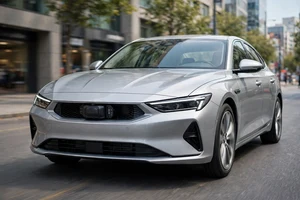
Automatic emergency braking work starts with radar and cameras that watch the road ahead. When the system spots a car, pedestrian, or cyclist in your path and a crash looks likely, it warns you first. If you do not brake in time, it brakes for you. This guide explains the sensors, the warning stages, the types of AEB, and how well it stops crashes.
Picture this. You glance at your GPS for two seconds, and the car ahead slams on its brakes. Your foot is still moving toward the pedal when your car brakes on its own. That split second save is how does automatic emergency braking work in real driving, and it is now standard on most new cars sold in the US. The system watches the road with radar and cameras, judges the gap to the car ahead, and steps in when a crash looks likely. In this guide you will learn what the sensors see, what happens before the brakes bite, the types of AEB on the road in 2026, and how much it can really help. You will also learn its limits.
What is automatic emergency braking?
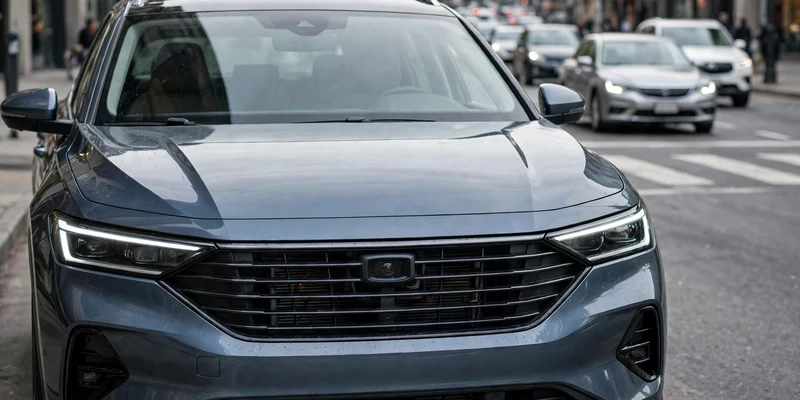
Automatic emergency braking is a safety system that brakes your car on its own when a crash looks likely and you have not reacted in time.
AEB is one part of ADAS, short for advanced driver assistance systems. Our guide to what is ADAS in cars explains it all.
- AEB warns you first, then brakes for you. Most systems flash a light and beep first.
- It is now standard on most new cars in the US. NHTSA has set a rule that makes it mandatory on new passenger vehicles by 2029.
- Brand names differ, but the job is the same. Toyota calls it Safety Sense, Honda calls it Honda Sensing, and Ford calls it Co-Pilot360.
How does automatic emergency braking detect a crash?
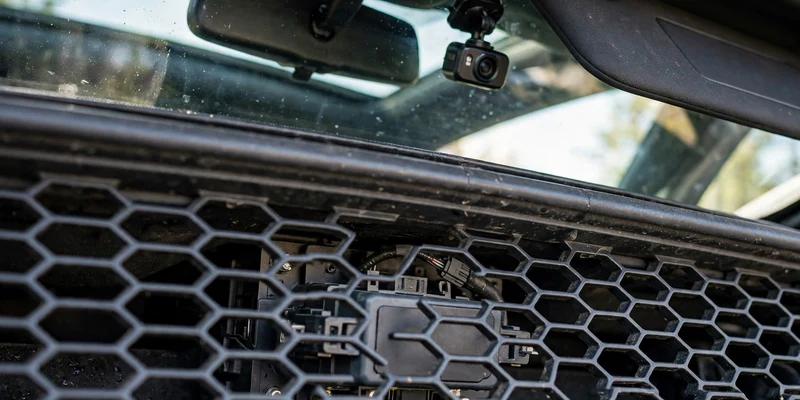
Automatic emergency braking detects a crash risk with radar, cameras, and sometimes lidar, then works out how fast the gap ahead is closing.
A radar unit hides behind the front grille, and a camera sits behind the windshield. The car computer checks their view many times per second.
- Radar measures distance and closing speed. It times radio waves bouncing off the car ahead.
- Cameras read shapes and road markings. The camera tells the system what the object is: a car, a pedestrian, or a cyclist.
- The computer turns the data into a crash time. It divides the gap by the closing speed. If that time drops under about 2.5 seconds, the system warns you.
Sensor fusion: why two sensors beat one
Radar is strong at distance but poor at shapes, and cameras are strong at shapes but weak in bad light. A driver in Ohio said his car warned him when a truck ahead stopped dead at 45 mph.
What happens in the seconds before AEB brakes your car?
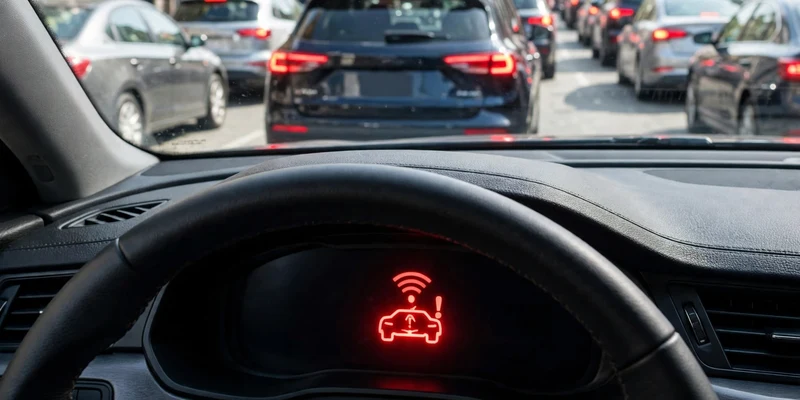
In the seconds before AEB brakes your car, the system warns you, primes the brakes, and then brakes in stages.
The whole chain takes about 2 to 3 seconds at city speed. At 40 mph you cover about 59 feet per second.
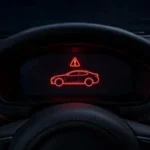
- Step 1: warning at about 2.5 seconds to impact. A red light flashes on the dash and a loud beep sounds.
- Step 2: brake assist and brake priming. If you press the pedal too softly, brake assist adds force.
- Step 3: partial braking, then full braking. The car brakes lightly on its own, then ramps up to full force. Full braking can stop a car from 30 mph in about 45 feet on dry roads. A driver in Dallas said his car stopped itself at a red light.
- Step 4: the car holds the brakes after the stop. Most systems hold the brakes for 2 to 3 seconds. Worn pads add feet to every stop, so check how to tell if your brake pads are worn first.
What types of automatic emergency braking are there?
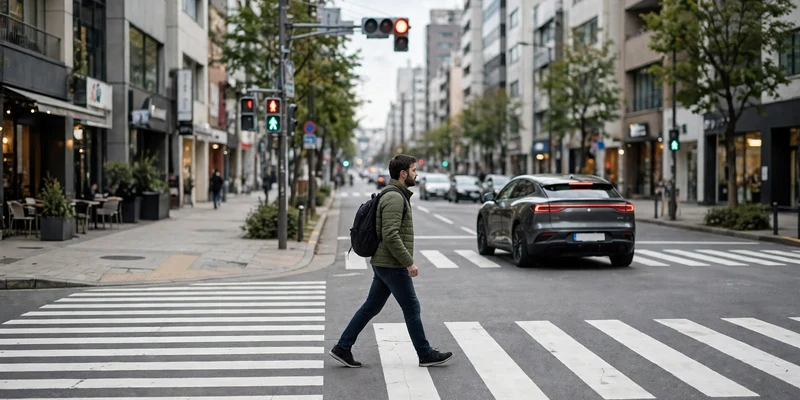
There are four main types of automatic emergency braking: city, highway, pedestrian and cyclist detection, and rear AEB.
Each type covers a different speed range and hazard. Most new cars in 2026 ship with the first three, while rear AEB is common on SUVs and trucks.
- City AEB works at low speed, up to about 30 mph. A driver in Chicago said his AEB stopped his car at a red light queue.
- Highway AEB works at higher speed, up to about 80 mph. It can cut speed by 25 to 30 mph before impact.
- Pedestrian and cyclist detection watches for people, not just cars. The camera spots a person stepping off the curb or a cyclist in the lane.
- Rear AEB watches behind you when you reverse. Sensors in the rear bumper spot what is behind you, and the car brakes before you hit it.
AEB in electric cars
Most new EVs come with full AEB as standard. See our guides to what is an electric vehicle and charge an electric car at home.
How well does automatic emergency braking work in real life?
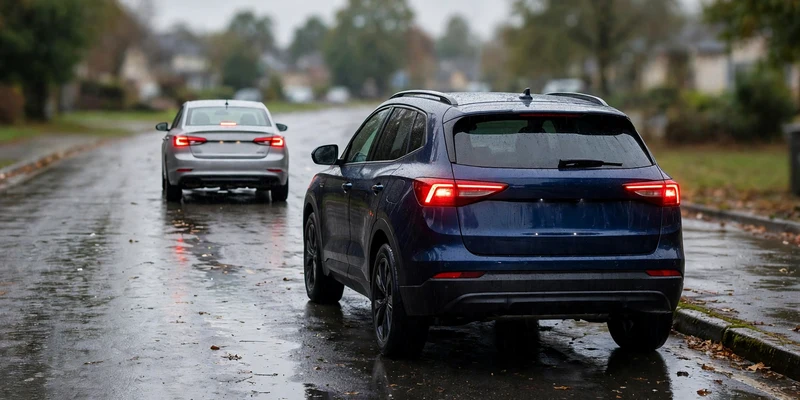
Automatic emergency braking works well in real life, cutting rear end crashes by about 50 percent, though it cannot prevent every crash.
IIHS studied millions of real crashes. Cars with AEB had 50 percent fewer rear end crashes, and crashes with injuries fell by 56 percent.
- NHTSA expects the 2029 rule to save 360 lives a year. The agency also expects it to prevent about 24,000 injuries a year.
- AEB works best in daylight and dry weather. One IIHS test found pedestrian AEB stopped the car in most daylight runs at 25 mph.
- Speed limits what AEB can do. At 30 mph, most systems can stop the car in time. A 2026 Ford F-150 owner in Michigan saw this first hand.
- Worn brakes and bad tires cut AEB performance. Check how long do brake pads last to see when yours are due.
The limits you should know
AEB struggles in heavy rain, snow, and fog. It is a backup for your eyes, not a replacement for them.
What should you do if your AEB warning light comes on?
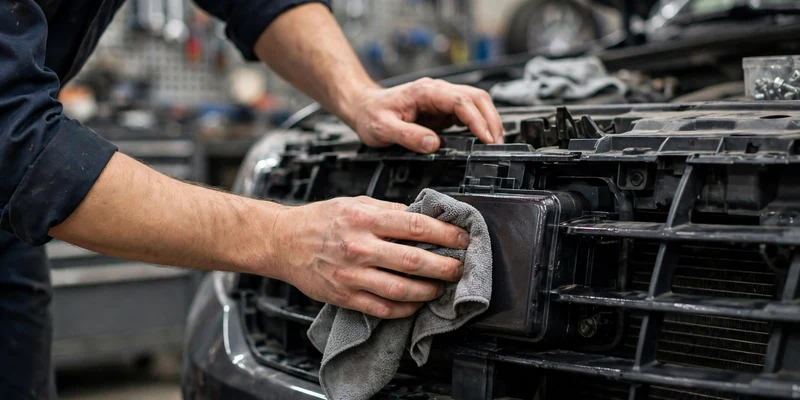
If your AEB warning light comes on, clean the sensors first, then restart the car.
A warning light does not always mean a broken part. Dirt, snow, and ice on the sensors are the most common cause.
- Clean the front grille, badge, and windshield first. Wipe them with a soft cloth. A driver in Minnesota fixed his light by clearing ice off the front badge.
- Restart the car and drive a short distance. Many systems reset after a clean and a restart.
- Get the codes read at a shop. A scan tool shows which sensor is at fault and whether the camera needs recalibration.
- Check the battery and charging system too. Low voltage can make ADAS sensors act up. See our guide on how to tell if your car battery is bad and how to tell if your alternator is bad.
Frequently Asked Questions
What is automatic emergency braking in simple terms?
Automatic emergency braking stops your car for you when a crash is about to happen and you have not braked in time. Radar and cameras watch the road ahead, and if the car ahead stops suddenly, the system warns you first, then brakes on its own.
How does automatic emergency braking work at night?
Radar still works in the dark, so car detection stays strong after sunset. Cameras see less, so pedestrian detection is weaker at night. IIHS tests show some systems fail more night runs, so slow down and keep extra distance after dark.
Is automatic emergency braking mandatory in the US?
Automatic emergency braking will be mandatory on new passenger vehicles in the US by 2029 under a NHTSA rule. The rule also requires pedestrian detection. Most car makers already fit AEB as standard on new models in 2026, so most buyers already have it without paying extra.
Does automatic emergency braking work in rain and snow?
Automatic emergency braking still works in light rain, but heavy rain, snow, and fog cut how well the sensors see. Radar keeps working, yet cameras can be blinded by spray and snow. Braking distances also grow on wet roads, so the system may only slow the car.
Can automatic emergency braking stop a crash completely?
Automatic emergency braking can stop a crash completely at low speed, usually under 30 mph. At higher speeds it often cuts speed by 25 to 30 mph before impact instead of stopping the car. That speed cut still turns a serious crash into a minor one.
Does automatic emergency braking work for pedestrians?
Yes, automatic emergency braking works for pedestrians on most new cars in 2026. The camera spots a person in the road and brakes even when no car is ahead. It works best in daylight at speeds under 45 mph, and NHTSA tests pedestrian detection at up to 45 mph.
Why did my car brake suddenly for no reason?
Your car may have braked for a false alarm, such as a metal plate, a sharp shadow, or a car turning across your path. A dirty or misaligned sensor can also cause false braking. Clean the sensors first, and if it happens again, get the system checked.
Can I turn off automatic emergency braking?
Yes, you can turn off automatic emergency braking in the settings menu on most cars, but it turns back on at the next start. Safety groups advise against leaving it off, since it cuts rear end crashes by about 50 percent. If false braking is the reason, get the sensors checked.
Conclusion
So, in this article, we covered how does automatic emergency braking work in detail. You now know that radar and cameras watch the road, the computer works out the time to a crash, and the car warns you, primes the brakes, and then brakes on its own when you do not act. You also know the four types, from city AEB to pedestrian detection, and the real numbers behind it. My advice is simple: keep your sensors clean, keep your brakes and tires in good shape, and let AEB stay on as your backup. If this guide helped you, share it with a friend who drives a new car, and check our guide to how does lane departure warning work next.