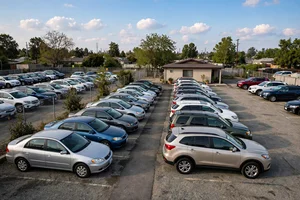
Car flipping means buying a used car at a low price, fixing the cheap items that add value, and selling it for more than your total cost. You do not need a dealer license to start, and many flippers begin with one car and $3,000 to $5,000. This guide covers startup costs, where to find cars, inspections, the best models, title rules, and pricing.
A car that sat unsold for weeks can turn into a $1,500 profit with a good wash, fresh brakes, and a fair price. That is the heart of how to start a car flipping business. You buy low, fix only what buyers notice, and sell fast. You do not need a big lot or a dealer license to start. You need one good car, a sharp eye for value, and the patience to walk away from a bad deal. This guide covers the money you need, the best places to find cars, the inspection that saves you from a bad buy, the models that sell fastest, the title rules that keep you legal, and the pricing that protects your profit.
How much money do you need to start flipping cars?
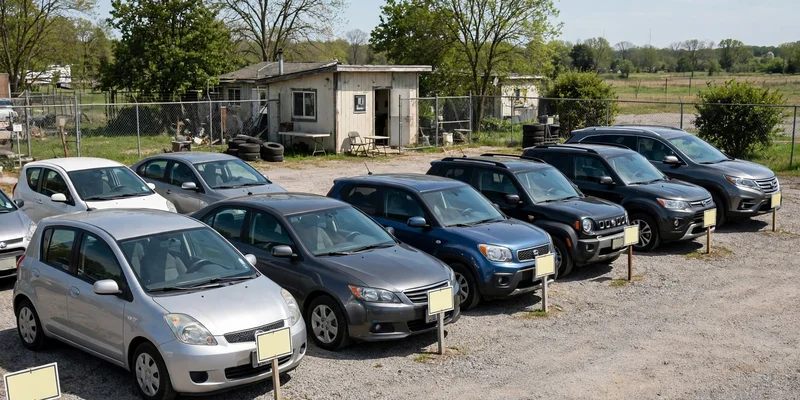
You can start flipping cars with $3,000 to $5,000 for your first car, plus $500 to $1,000 set aside for repairs, fees, and listing costs.
Most first flips use a car that costs $2,000 to $4,000, which leaves room for fix-up work and the title fee. A $1,500 car sounds cheap, but one bad transmission can eat your whole profit. If you later want a shop of your own, check the cost to open an auto repair shop before you sign a lease.
- Car purchase: $2,000 to $4,000. A running Honda Civic or Toyota Corolla is a safe first flip, since parts are cheap and buyers trust these names.
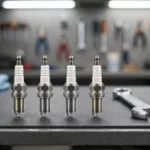
- Repairs and detailing: $300 to $800. Budget for brakes, fluids, a battery, and a deep clean.
A real example from Ohio
Mike from Columbus bought a 2012 Honda Civic for $3,200 with 118,000 miles. He spent $600 on brakes, spark plugs, a detail, and fees. He sold it for $4,900 after 12 days and kept about $1,100 in profit.
Where do you find cheap cars to flip?
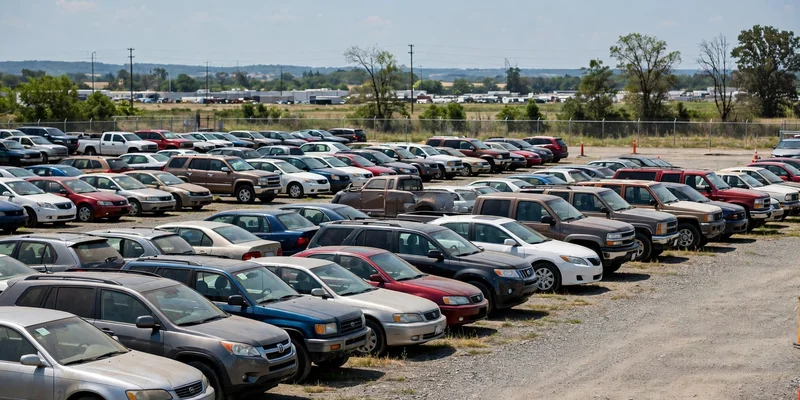
The best places to find cheap cars to flip are public auto auctions, private sellers on Facebook Marketplace and Craigslist, and word of mouth through local mechanics.
Auctions give you the lowest prices, but you buy fast and you cannot test drive. Private sellers give you time to inspect the car and talk the price down. Barn finds can also turn into great flips when a car sat parked for years and needs only a battery and fresh fluids.
- Public auctions: the lowest prices. Cars sell for 20 to 40 percent below retail, but you pay a buyer fee of $200 to $500.
- Facebook Marketplace: the most choice. Filter by price under $5,000 and message sellers the same day.
- Private sellers: room to negotiate. A seller who needs cash fast may drop the price by $300 to $500.
A real example from Texas
Sara from Dallas won a 2015 Toyota Camry at a public auction for $4,100. She paid a $310 buyer fee, spent $380 on a dented fender and a detail, and sold the Camry for $6,400 three weeks later.
How do you inspect a used car before you buy it?
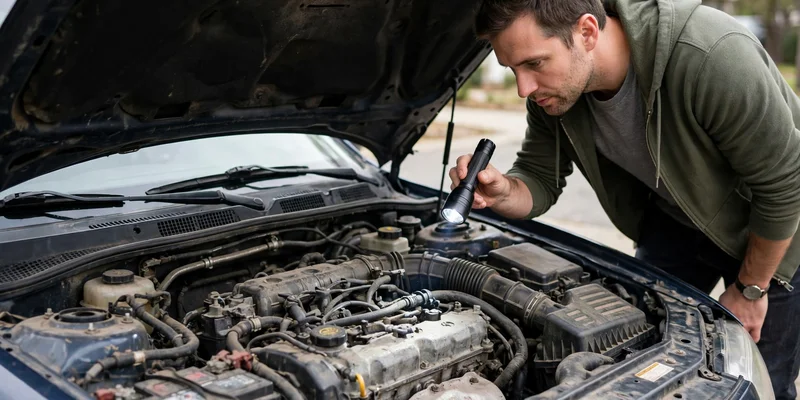
Inspect a used car by checking the title, scanning for codes, looking under the car for rust and leaks, and taking a 20 minute test drive on city streets and a highway.
Never buy a car at night or in the rain, since bad paint and leaks hide in poor light. Bring an OBD2 scanner and a flashlight. A $100 pre-purchase check at a local shop can save you from a $2,000 repair.
- Check the title first. The seller name must match the title, and the title must be clean.
- Scan for codes with an OBD2 reader. Codes for the transmission or catalytic converter mean big bills.
- Look under the car and test drive it. Rust on the frame and wet spots near the transmission are signs to walk away.
A real example from Florida
Dan from Tampa found a 2013 Ford Focus for $2,600. His scanner showed a transmission code, and the car shifted hard on the test drive. He walked away, and a shop later quoted $2,800 for the repair.
Which cars flip best for profit?
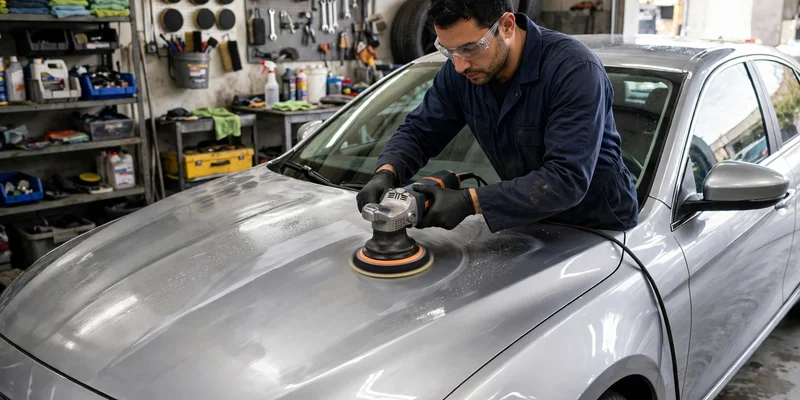
The cars that flip best are reliable sedans and small SUVs from Honda, Toyota, and Ford, plus trucks in good shape, since buyers want cheap running costs and parts they can find anywhere.
Honda Civics, Toyota Corollas, Toyota Camrys, and Ford F-150 trucks sell fast in almost every US market. Classic cars can flip well too, and our list of the best classic cars under $10,000 shows which older models hold value. Read how to buy a classic car at auction before you bid.
- Honda Civic and Toyota Corolla: the safest flips. Both sell fast, parts cost little, and buyers pay more for a clean title.
- Toyota Camry and Ford F-150: strong demand. A Camry with 100,000 miles still sells for $5,000 to $7,000.
- Avoid German luxury cars. A $4,000 BMW can need a $1,500 repair in the first month.
A real example from Arizona
Jen from Phoenix bought a 2014 Honda Civic for $4,600 with 104,000 miles. She spent $310 on tires and a detail, then sold it for $6,200 in 9 days and kept about $1,290 after fees.
What are the title, registration, and dealer license rules?
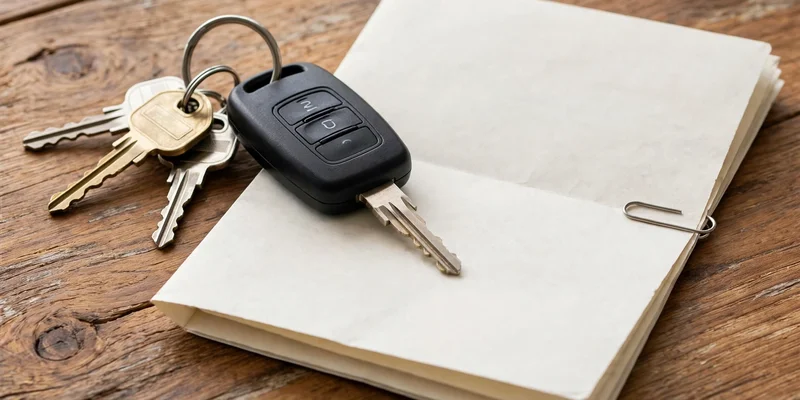
Most US states cap private car sales at 4 to 6 cars per year before you need a dealer license, so check your state DMV rules.
Title jumping is illegal in every state. You cannot buy a car, sell it on, and leave the title in the first seller name. You must transfer the title into your name, pay the tax, and then sell it.
- Transfer the title into your name. Sign it at the DMV or a notary if your state needs one.
- Know your state cap. Texas allows 4 sales a year without a license, California allows 5, and Florida allows 3.
- Pay the sales tax. Skipping it can block your next title transfer.
A real example from Georgia
Tom from Atlanta sold a car two weeks after buying it without putting the title in his name. The buyer could not register it, and Tom had to track down the first owner for a new signature.
How do you price a flipped car and avoid common mistakes?
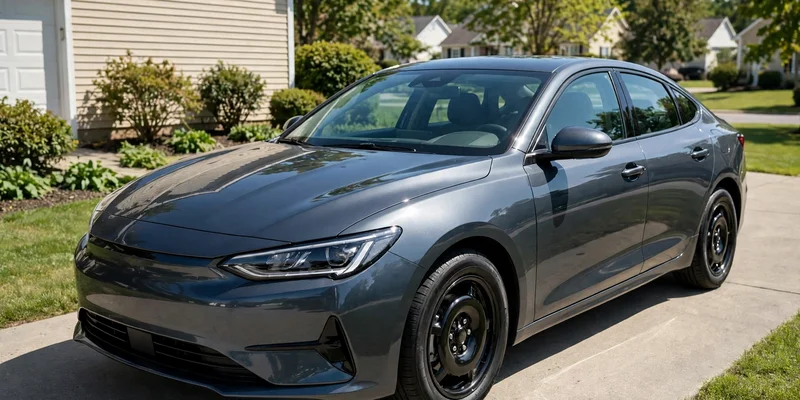
Price a flipped car by checking Kelley Blue Book and local listings for the same model, then set your price at or just below the market rate so the car sells within two weeks.
Your profit comes from the buy price, not the sale price. If you pay too much, no listing trick can save the deal. Aim for $1,000 to $2,000 in profit per car after all costs. Learn how car dealerships make money on used cars so you can price like a pro, and read our guide to auto repair shop profit margin to see which repairs pay.
- Check Kelley Blue Book and local listings. Price near the private party value for your city.
- Fix the cheap items first. Fresh spark plugs, clean headlights, and a deep detail can add $500 in perceived value for under $150.
- Take 30 good photos. Shoot in daylight and show the engine, the tires, and the dash.
A real example from Michigan
Alex from Detroit bought a 2016 Ford Fusion for $4,300 and listed it at $6,800. He got no calls, dropped the price to $6,200, and sold it in 4 days with $1,200 in profit.
Frequently Asked Questions
How much money do I need to start a car flipping business?
You can start a car flipping business with $3,000 to $5,000 for your first car, plus $500 to $1,000 for repairs, title fees, and insurance. A running Honda Civic or Toyota Corolla in the $2,000 to $4,000 range is a safe first flip, since parts are cheap.
Do I need a dealer license to flip cars?
You do not need a dealer license for your first few flips, since most states let private sellers sell 4 to 6 cars per year without one. Check your DMV site for your state cap. Sell more than the cap and you need a license.
Where is the best place to find cars for a car flipping business?
Public auto auctions give the lowest prices, often 20 to 40 percent below retail, but you pay a buyer fee and cannot test drive. Facebook Marketplace and Craigslist give you more time to inspect and negotiate. Local mechanics can also point you to cars before they get listed.
What cars should I avoid when flipping?
Avoid luxury cars, rare models, and cars with a salvage title or frame damage, since one big repair can wipe out your whole profit. A $4,000 BMW can need a $1,500 repair in the first month. Stick to reliable sedans, small SUVs, and trucks with cheap parts.
How much profit can I make per flipped car?
A typical flip brings $1,000 to $2,000 in profit after all costs. Your profit depends on the buy price most of all. Buy right and fix only the cheap items, and you can clear $1,500 on one car in two to three weeks.
Can I flip cars without mechanical skills?
Yes, you can flip cars without mechanical skills if you pay a local shop for a $100 pre-purchase check and hire out the repairs. Focus on cars that need only a detail, brakes, fluids, and fresh spark plugs. Leave engine and transmission work to a pro.
How long does it take to sell a flipped car?
A well priced car in good shape usually sells in 7 to 21 days on Facebook Marketplace or Craigslist. Cars priced above the market rate can sit for 60 days or more. Good photos, a fair price, and a quick reply to buyers will sell your car much faster.
Is a car flipping business a good side business in 2026?
Yes, flipping cars can be a good side business in 2026 if you start with one car, buy below market value, and sell within a few weeks. Used car prices stay strong, and buyers want affordable cars under $7,000. Keep your costs low and follow your state title rules.
Conclusion
So, in this article, we covered how to start a car flipping business in detail. You now know the money you need, where to find cheap cars, how to inspect them, which models flip best, and the title rules that keep you legal. You also know to price near the market rate and sell fast, since a car that sits too long eats your profit. My advice is simple: start with one reliable car, buy it below market value, fix only the cheap items buyers notice, and transfer the title the same day. Do that well once, and you will have the cash and the confidence to flip your second car. Keep your records clean, learn from each deal, and grow one car at a time.