
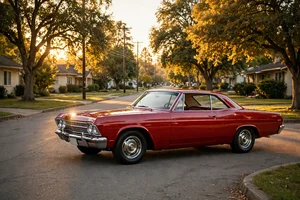
Learning how to buy a classic car means knowing your budget, picking the right car, checking it in person, and reading the paperwork before you pay. This guide walks you through each step in plain words, from setting a price range to sorting insurance, so you can buy with confidence and skip the costly mistakes first time buyers often make.
A shiny paint job can hide a lot of trouble, and plenty of first time buyers learn that lesson only after they hand over the money. If you want to know how to buy a classic car without that regret, you need a clear plan before you start shopping. A good buy starts with a budget that leaves room for tax and repairs, a short list of cars that fit your life, a careful inspection in daylight, and clean paperwork. This guide covers all of it, from rust checks to fair pricing and insurance, so you know exactly what to do before you sign anything. You will also learn which costs catch new owners by surprise, and how to walk away from a bad deal with confidence.
What should you set as your budget before you buy a classic car?
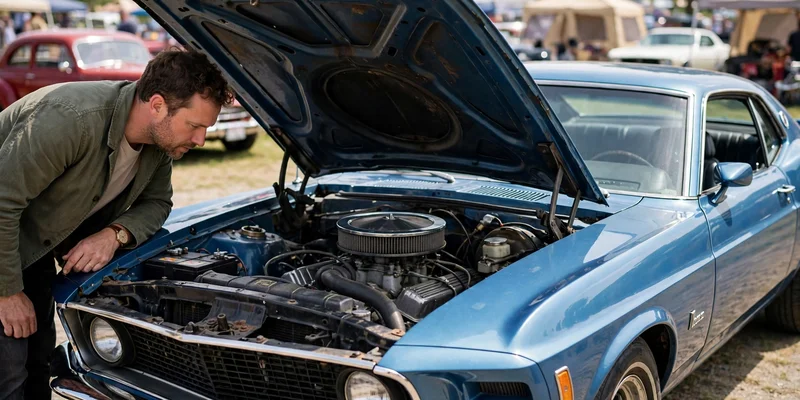
Set your total budget first, then shop inside it. Your purchase price should be about 70 percent of your total budget, and the other 30 percent should cover tax, transport, insurance, and first repairs. The car loan interest deduction 2026 covers new US assembled cars, not classics.
- Add the extras to the ad price before you shop. A $15,000 car can cost $18,000 to $19,500 with tax, fees, and inspection.
A buyer in Ohio found his $14,500 Mustang cost $17,200 after tax and a $600 inspection.
Which classic car should you buy first?
Buy a popular, simple car with strong parts support. A 1965 to 1972 Ford Mustang, a 1967 to 1969 Chevrolet Camaro, or a 1990 to 1997 Mazda Miata is a smart first pick.
Popular cars are easier to own. Parts sit on the shelf at any auto parts store, and any good mechanic knows how to fix them.
- Start with a car under $20,000 if you are new to this. The best classic cars under $10000 list shows you can find a fun, solid car without spending a fortune.
A clean 1994 Mustang GT can be found near $12,000, with a huge owner club.
Classic or antique: which label fits?
The classic car vs antique car difference matters for plates and insurance. A classic is usually 20 to 30 years old, while an antique is 25 years or older and kept mostly for shows.
How do you inspect a classic car before you pay?
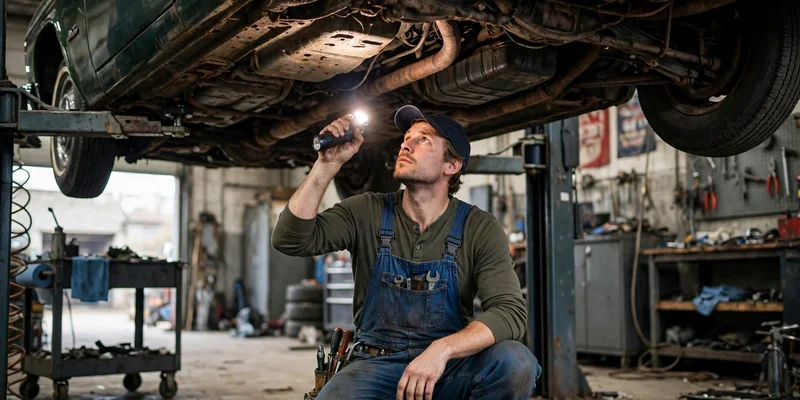
Inspect a classic car in daylight, on a lift if you can, and never buy it sight unseen. Check the body, frame, and engine, and take a 20 minute test drive on town roads and a highway.
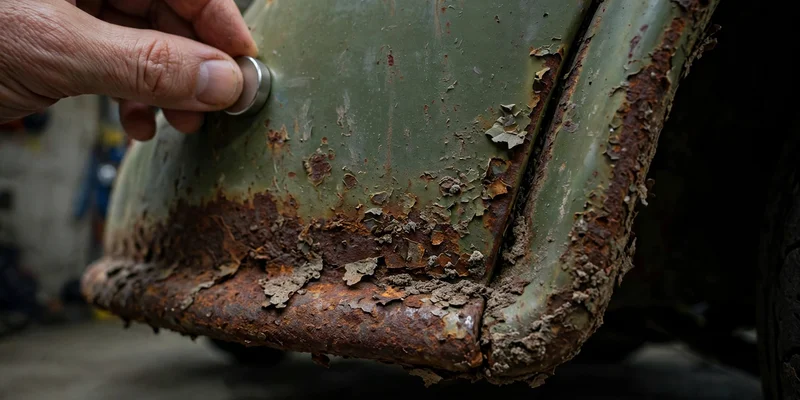
Rust is the biggest enemy of an old car. A $500 paint bubble can hide $5,000 of rot in the floors and rocker panels.
The body and frame check
- Look for rust in the 5 worst spots. Check the floor pans, rocker panels, trunk floor, wheel arches, and the frame rails, since these spots hold water and rust first.
A buyer in Florida found rust holes under the carpet of a clean looking 1971 Chevelle, and the $4,000 repair cut his offer.
The engine, brakes, and test drive
- Test the brakes and the transmission. The car should stop straight from 40 miles per hour without pulling to one side, and the shifts should feel smooth with no slip.
Check how to tell if your brake pads are worn and check transmission fluid at home before the visit, since burnt fluid can mean a $2,500 rebuild.
How do you check the paperwork and title?
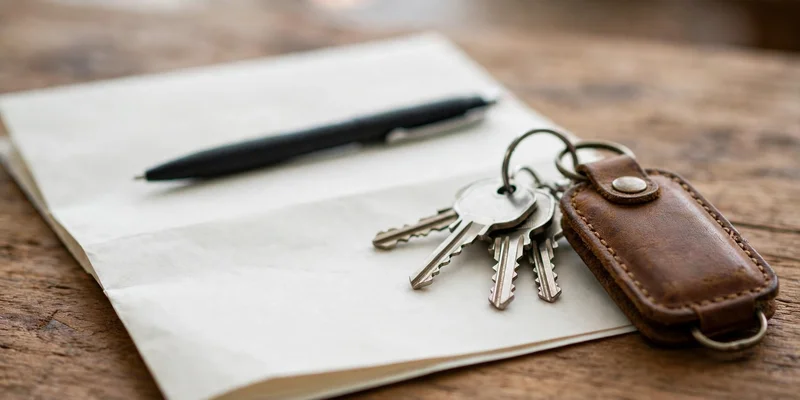
Check the title, the VIN, and the seller’s ID before you pay. The name on the title must match the seller, the VIN must match the car, and the title must be clean, not salvage or rebuilt.
- Match the VIN in 3 places. Check the title, the dashboard plate, and the door jamb or firewall tag, and all three must show the same 11 to 17 digit number.
A buyer in Georgia walked away from a 1968 Charger when the dashboard VIN did not match the title, saving himself $22,000.
- Ask if the engine and transmission match the car. A matching numbers classic car has its original engine and transmission, and that fact can add 20 to 40 percent to the value of a rare model.
On a 1969 Camaro SS, a matching numbers 396 engine can add $10,000 or more.
How do you find the fair value of a classic car?
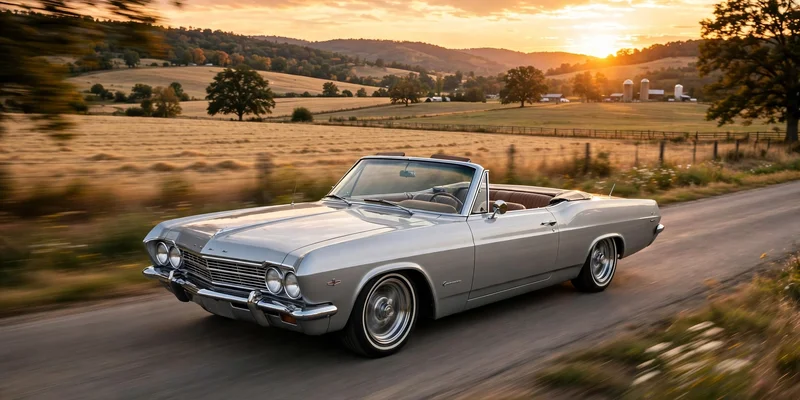
Find the fair value by checking 3 price guides and 5 recent sales of the same model in the same condition. Hagerty, Classic.com, and Bring a Trailer show what buyers actually paid. Hagerty grades cars from fair to concours.
- Grade the car one level lower than the seller does. Sellers call a fair car good and a good car excellent, so a car listed as excellent is often just good.
A 1970 Mustang listed as excellent at $28,000 sold for $21,000 after a buyer graded it as good, and the gap came from worn seats and a tired engine.
- Compare cars with the same engine and options. A base 6 cylinder 1967 Mustang is worth $12,000 to $18,000, while a fastback with a 390 V8 can pass $45,000.
Only compare cars that match on engine size, transmission, and options.
- Check auction results and set a walk away price. The buy classic car at auction guide explains buyer fees of 5 to 12 percent, and those fees can add $1,500 to a $15,000 hammer price.
In 2026, 12,000 classic cars change hands in the US each month, so the car will come along soon.
What insurance and running costs should you plan for?
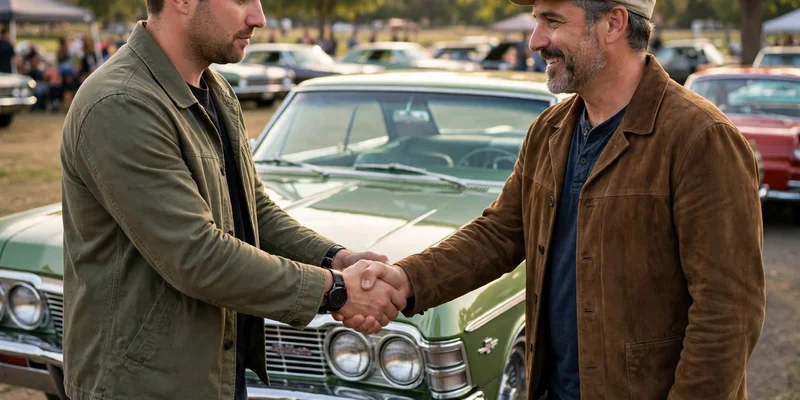
Plan for agreed value classic insurance at $300 to $800 a year, plus $1,000 to $3,000 a year in upkeep. Agreed value pays the full agreed amount after a total loss.
- Get 3 agreed value quotes before you buy. Hagerty, Grundy, and American Collectors all write classic policies in 2026, and a $30,000 car often costs $350 to $600 a year with a $500 deductible.
A 1966 Mustang insured for $28,000 cost $420 a year with Hagerty, while a normal insurer quoted $1,100 for less cover.
- Read the mileage and use limits. Most classic policies ban daily driving, trips to work, and errands, and breaking the rule can void a claim, so keep a daily driver for daily trips.
An owner in California lost a $9,000 claim after the insurer found his classic was his only car.
- Budget $1,000 to $3,000 a year for upkeep and storage. Oil changes cost $60 to $120, tires cost $600 to $1,000 a set every 5 years, and a tune up runs $200 to $400 on a carburetor car.
A 1972 Corvette owner spends about $1,800 a year on upkeep. See the guide to store a classic car for winter for the winter routine.
Frequently Asked Questions
How do I start learning how to buy a classic car?
Start by setting your total budget, then pick 3 popular models and study their prices for 2 weeks. Read buyer guides, join an owner club, and look at 5 cars in person before you make an offer. A little homework first saves you from a bad buy.
How much money do I need to buy a classic car?
You need the car price plus 30 percent extra for tax, fees, inspection, transport, and first repairs. A $15,000 car often costs $18,000 to $19,500 in total. Keep a $2,000 to $3,000 repair fund for the first year too, since old cars need work soon after you buy them.
Is it safe to buy a classic car online?
Yes, if you inspect the car in person or hire a local inspector first. Never send a deposit before you see the title and a video walkaround. Use an escrow service for long distance deals, and skip any seller who refuses an inspection.
What is the best age for a first classic car?
A car from 1965 to 1995 is often the best first classic, since parts are easy to find and prices stay fair. Cars from the 1960s and 1970s are the most popular, while 1980s and 1990s cars like the Fox body Mustang cost less. Pick a car with strong club support.
What is the first step in how to buy a classic car?
The first step is to set a total budget that covers the car price, tax, fees, inspection, and a repair fund. Most first time buyers should plan for the car price plus 30 percent extra. Once the budget is set, pick 3 models that fit it.
Should I buy a classic car that needs work?
Buy a car that needs work only if you can do the repairs yourself or you priced them in advance. A $8,000 project car can need $15,000 in body and engine work, so get written quotes first. A running car is a safer first buy than a full project.
Do classic cars need a special license?
No, classic cars do not need a special license in the US. A normal driver license covers you, and the car needs normal registration and plates. Some states offer antique plates with use limits, but those are a choice, not a must.
Can I get a loan to buy a classic car?
Yes, from a classic car lender, a credit union, or a bank that writes collector car loans. Rates in 2026 often run 5 to 9 percent for 5 years, and most lenders want a 10 to 20 percent down payment. The car must pass an appraisal first.
Conclusion
So, in this article, we covered how to buy a classic car in detail. You now know to set a budget with room for tax and repairs, pick a popular car with strong parts support, inspect it in daylight, check the title and VIN, and price it against real sales. My advice is simple: buy the best car you can afford, not the cheapest car you can find, since a solid car costs less in the long run. Get an agreed value insurance quote before you drive it home, and keep a small repair fund ready. Take your time with the search, and trust the numbers, not the shine. If this guide helped you, share it with a friend who dreams of owning a classic.





1 thought on “How to Buy a Classic Car: A Smart 2026 Guide”
Pingback: How to Buy a Classic Car at Auction