A barn find car is a classic car that sat forgotten for years, and learning how to find barn find cars starts with patience, local knowledge, and respect for owners. Most of these cars hide in rural barns, old garages, and farm fields, not on dealer lots. You need to ask around, follow leads, and check the car in person before you pay a dollar.
Somewhere in rural America, behind a sagging barn door in Iowa, a 1967 Ford Mustang has sat under a tarp since 1989. The owner parked it after a blown engine, planned to fix it next summer, and never did. That is the dream that drives the hunt, and it is why learning how to find barn find cars still excites collectors in 2026. The truth is less glamorous than the TV shows. Most barn finds are not rare supercars. They are common classics, old trucks, and family sedans that time forgot. Yet a solid car with a clear title can still be a great project at the right price. In this guide you will learn where these cars hide, how to find the owner, how to make a fair offer, and what to check before you buy.
What is a barn find car?
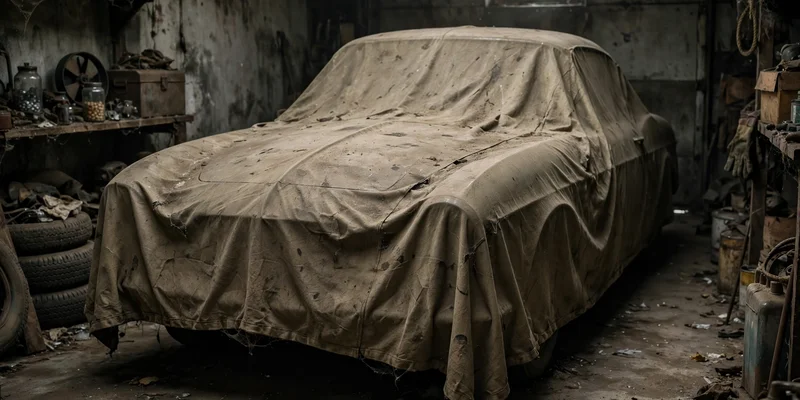
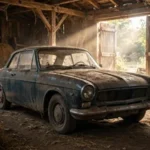
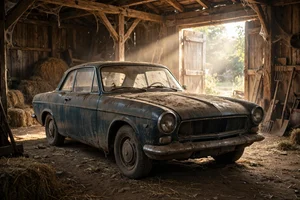
A barn find car is a classic car left unused for years in a barn, garage, shed, or field. It was never listed for sale.
The term covers any long stored car found by chance. See the classic car vs antique car difference before you judge a find.
- Long storage is the key test. A car that sat for 10, 20, or 30 years fits the term.
- Condition varies a lot. A dry barn can save a car, while a damp field can ruin one.
A real example from Iowa
In 2023, a buyer in Iowa found a 1967 Ford Mustang fastback in a barn after a neighbor mentioned it at a diner. The car had sat for 34 years. He paid $18,000 after a title check.
Where do barn find cars hide?
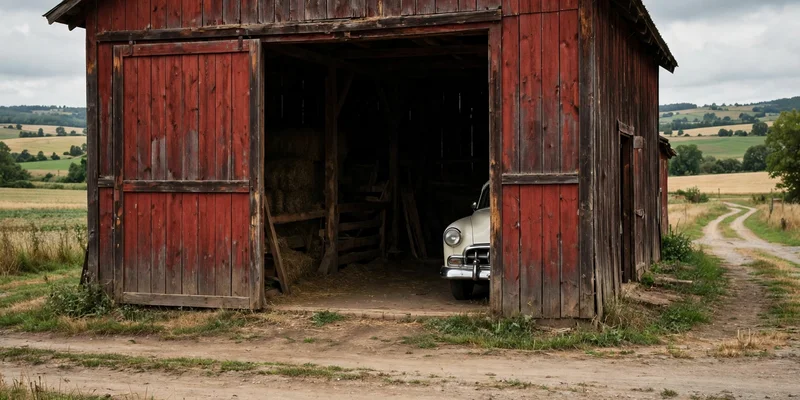
Barn find cars hide in rural barns, old garages, estate sales, closed dealerships, storage units, and farm fields. The best leads come from small towns where cars sat for decades.
Farmhouses often have a second garage with a car inside, and estate sales can reveal one the family did not know was there.
- Rural barns hide the most cars. A car in a dry barn in Kansas can stay solid for 30 years.
- Estate sales reveal forgotten cars. A family may find a 1965 Buick Riviera in the garage.
A real example from Texas
A hunter in Texas spotted a car shape under a tarp near Amarillo in 2024. A feed store clerk knew the landowner. The 1969 Chevrolet Camaro had sat there for 21 years with rusted floors, so he passed after a $9,500 repair quote.
If no barn lead works out, try an auction. Read our guide to buy a classic car at auction before you bid.
How do you track down the owner of a barn find car?
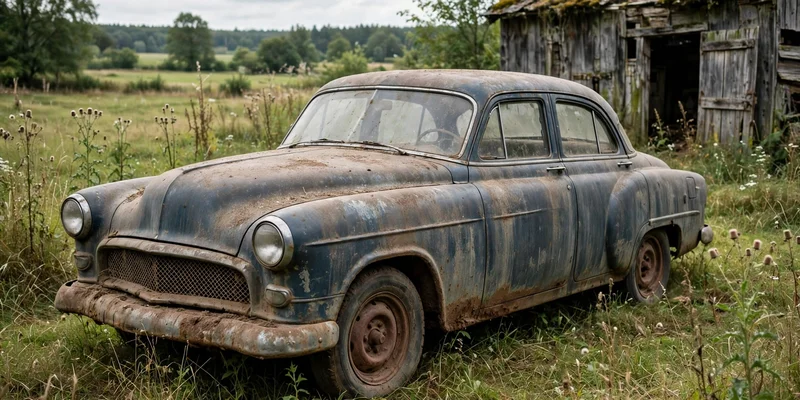
Track down the owner by asking local people, joining car clubs, searching online forums, and checking county records. Start near the car.
Word of mouth is still the best tool in 2026. Talk to farmers, mechanics, and parts store staff, and join a local car club, since members hear about cars first.
- Ask local people first. A mechanic in Nebraska told a buyer about a 1971 Plymouth Barracuda in a barn 6 miles away.
- Check county property records. The assessor site lists the landowner by address, so you can send a polite letter.
A real example from Nebraska
A buyer in Nebraska asked at three parts stores for a 1971 Plymouth Barracuda. A clerk named a farmer 6 miles away. He wrote a letter and got a call back. The farmer had owned the car for 29 years.
Never trespass, and never take parts without permission. Ask first, and leave if the owner says no.
How should you approach the owner and make an offer?
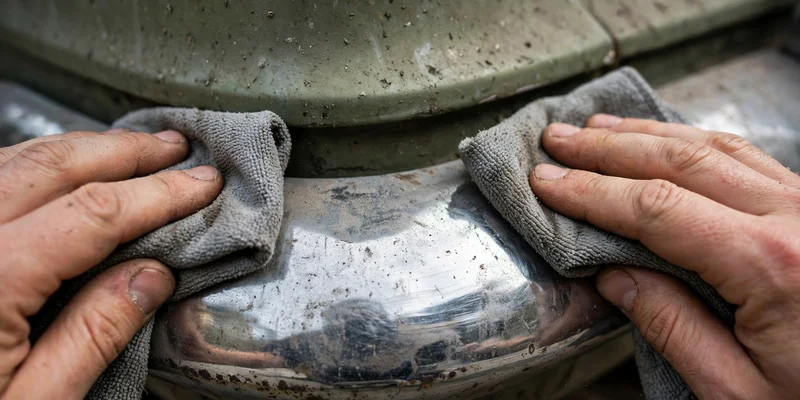
Approach the owner in a polite and honest way, show real interest in the car, and make a fair offer based on its condition and title status. Never pressure the owner, and never rush the sale.
Many owners have an emotional tie to the car. Start with respect, not a price. Introduce yourself and listen to the story first.
- Ask about the car story before price. Ask when it last ran and where the title is.
- Make a fair offer with facts. Check recent sales for the same model and year.
A real example from Ohio
A buyer in Ohio met a widow in 2024 who owned a 1966 Ford Thunderbird her husband had parked in 1998. He listened for an hour, then offered $7,500 after he checked the title and the frame. She accepted.
Read our guide on how to buy a classic car before you sign a bill of sale.
What should you check before you buy a barn find car?
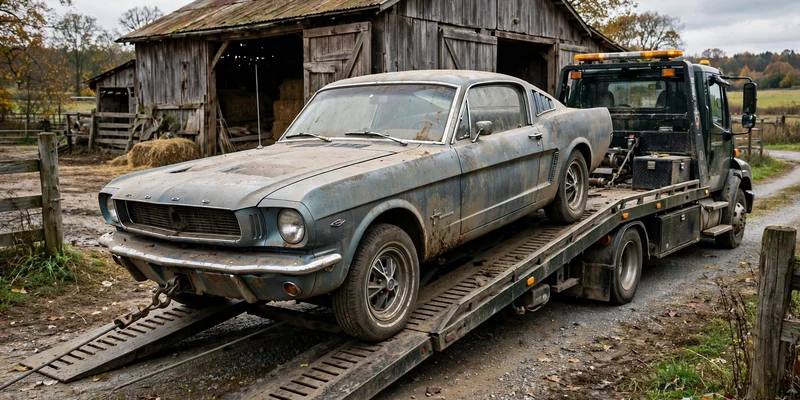
Check the title, VIN, rust, frame, engine, and completeness before you buy. A missing title or rusted frame can cost more than the car is worth.
The title must be in the seller name. Match its VIN to the dash plate, then check the floors, rockers, trunk, and frame rails.
- Title and VIN must match. No signed title means no legal sale in most states.
- Rust decides the budget. Floor pans cost $1,500 to $4,000 to replace, and frame work can cost $5,000 to $12,000.
A real example from Georgia
A buyer in Georgia checked a 1965 Ford Mustang coupe in 2025 and found a clean title, a solid frame, and a complete interior. The engine was stuck, but the trim and glass were complete. He paid $6,200.
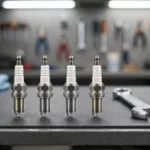
Our guide to matching numbers classic cars explains why the right numbers add value. Learn how often to replace spark plugs before you start a car that sat for 20 years.
How much does a barn find car really cost to restore?
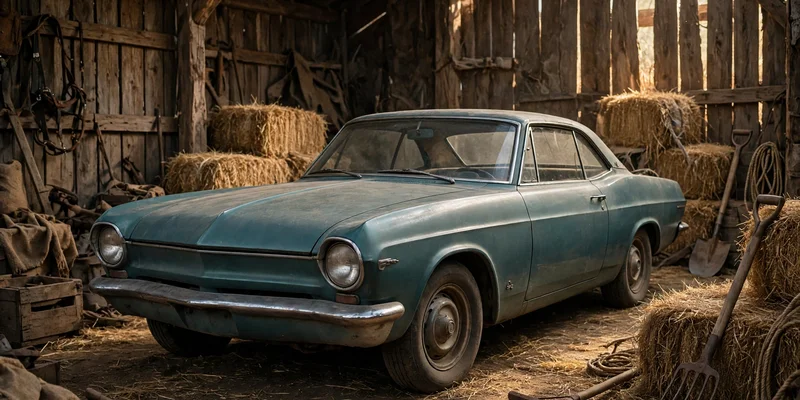
A barn find can cost $10,000 to $50,000 or more to restore, on top of the purchase price. Most need new brakes, tires, fuel lines, wiring, and paint first.
A car that sat for 20 years needs every rubber part replaced. A basic safe job can cost $8,000 to $15,000, and a full restoration can cost $40,000 to $80,000.
- Safety first costs $3,000 to $8,000. New brakes, tires, and fuel lines are a must.
- Engine work costs $4,000 to $12,000. A stuck engine may need a rebuild.
A real example from Kansas
A buyer in Kansas paid $5,000 for a 1968 Chevrolet Chevelle in 2024. He spent $11,400 in the first year on brakes, tires, wiring, and an engine rebuild. He expects $8,000 more for paint.
See the best classic cars under $10000 for more car for your money. Read our guide to store a classic car for winter, and start a car flipping business if you plan to sell it on.
Frequently Asked Questions
What is a barn find car?
A barn find car is a classic car that sat unused for years in a barn, garage, shed, or field. The owner parked it and never sold it, so it stayed out of sight. Most barn finds need work on brakes, tires, fuel lines, and wiring before they can run safely again.
How do I find barn find cars near me?
Ask local mechanics, farmers, and car club members, and watch estate sales in your area. Search model forums and Facebook groups for your state, and check county property records for the landowner. Most good leads come from a local tip, not from a dealer listing or a big auction site.
Are barn find cars worth buying in 2026?
Yes, a barn find car can be worth buying if the title is clear, the frame is solid, and the price leaves room for repairs. A complete car with a solid body is a good buy at a fair price. A rusted frame or a missing title can turn a cheap car into a costly mistake.
How do you find the owner of a barn find car?
Find the owner by asking neighbors, joining local car clubs, and searching online forums for the model. County property records can show who owns the land where the car sits. Send a polite letter first, then visit in daylight only after the owner agrees to talk with you.
Can you buy a barn find car without a title?
You can buy one in some states with a bill of sale, but it is risky and slow. Most states need a title to register the car, and a lost title can take months to replace. Always ask for the signed title before you pay, and walk away if the seller cannot prove legal ownership.
How much does it cost to restore a barn find car?
A basic job to make a barn find car run and stop safely costs $8,000 to $15,000 in 2026. A full restoration can cost $40,000 to $80,000, with labor at $75 to $150 per hour. Rust repair and rare parts add the most cost, so check the frame and parts supply before you buy.
Is it legal to take a barn find car from an empty barn?
No, it is never legal to take a car or parts from a barn without the owner permission. Every car has an owner, even if the barn looks empty and the car looks forgotten. Trespass can lead to fines or arrest, so always find the owner and get a signed title and bill of sale first.
Where is the best place to look for barn find cars?
Rural barns and farm sheds in the Midwest and South are the best places to look, with estate sales close behind. Old garages, closed shops, and storage units also hold cars. Start in small towns, talk to local people, and follow each lead in person for the best chance of a real find.
Conclusion
So, in this article, we covered how to find barn find cars in detail. You now know where these cars hide, how to find the owner, how to make a fair offer, and what to check before you pay. You also know that most barn finds need a full safety job and a real restoration budget, not just a wash and a new battery. My advice is simple: be patient, be polite, and never buy a car without a clear title and a solid frame. Talk to local people, follow each lead in person, and set your budget before you make an offer. If you find a solid car at a fair price, you can bring a forgotten classic back to the road.