AI Summary: What is a matching numbers classic car? It is a classic car that still has the engine, transmission, and rear axle the factory installed on build day, with stamps that match the VIN and build records. This guide explains numbers matching checks, where to find the stamps, how much classic car value originality adds, and how to spot restamped fakes before you pay.
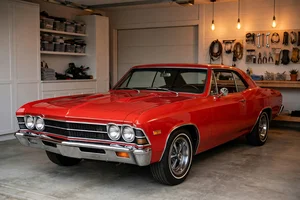
Picture this. You walk up to a 1969 Camaro at a local show, and the seller calls it a true matching numbers car. That one claim can add thousands to the price, so you need to know what it really means before you shake hands. What is a matching numbers classic car? It is a car that still carries the same major parts the factory installed, and the stamped numbers on those parts line up with the VIN and the factory records. Here is the thing: sellers use the phrase loosely, and some cars wear the label with a restamped engine and a fake tag. Next, you will learn which numbers count, where to find them, what they are worth, and how to spot fakes.
What does matching numbers mean on a classic car?
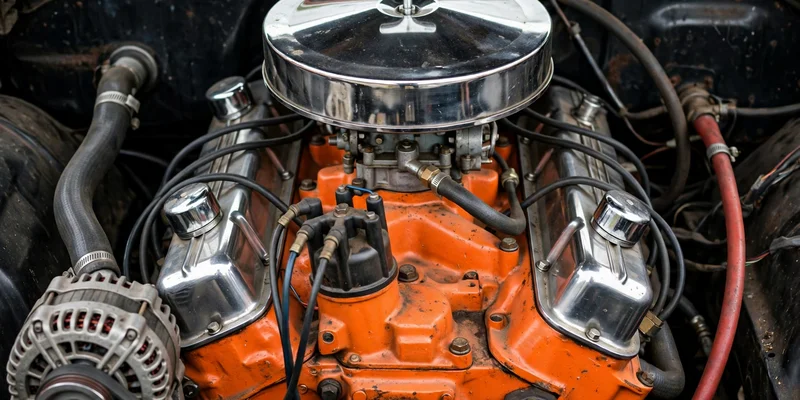
It means the engine, transmission, and rear axle in the car today are the same ones the factory installed, and their stamps match the car’s VIN and factory records.
The term started with Chevrolet in 1960, when the factory began stamping a version of the chassis number on the engine pad. From 1968, Mopar stamped the last eight VIN digits on the engine and transmission.
Matching numbers vs. correct date
A correct date part was made in the right time window, but it is not the exact part the factory installed. A 1969 Camaro with a correct date 396 block is nice, yet not matching.
- Engine first: The engine stamp carries the most weight, because the block is the heart of the car. A buyer checks the pad stamp, the casting number, and the date first.
Which numbers have to match on a classic car?
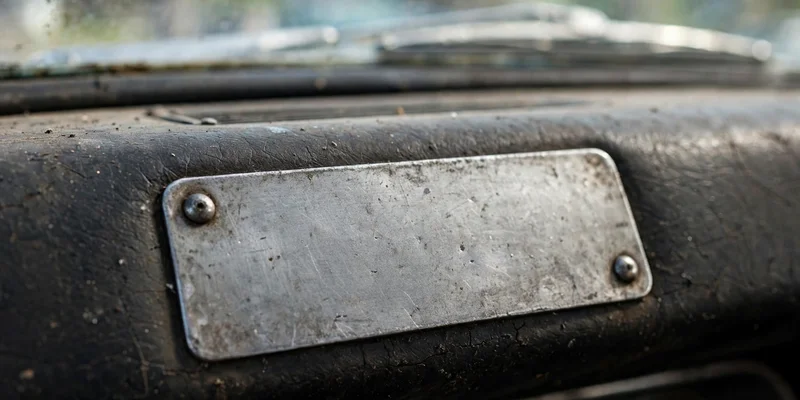
At minimum, the engine block, the transmission, and the rear axle must carry stamps tied to the VIN and the factory build records.
The VIN is the master key. On cars built from 1969, read it on a plate at the base of the windshield on the driver side, and on older cars check the door jamb. Ford put the engine code in the fifth VIN spot, so a 1970 Boss 302 carries a G there.
- Rear axle: The axle tube carries a code that names the gear ratio and the build date. A 1969 Camaro Z/28 with a 3.73 posi rear should show the BU code.
- Trim tag and build sheet: The firewall tag lists the paint code, trim code, and build week, and the build sheet lists every factory option. If the tag calls for green but the car wears red, someone changed the color.
Where do you find the numbers on a classic car?
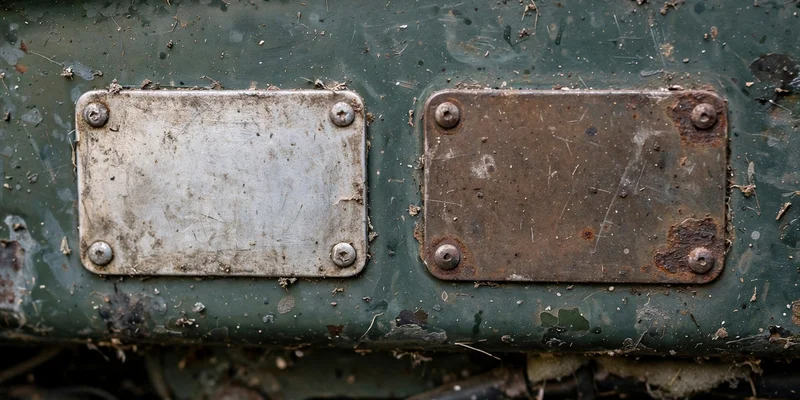
Start with the VIN plate on the dash or driver door jamb, then check the engine pad, the transmission case, the rear axle tube, and the trim tag. The build sheet often hides under a seat.
Bring a flashlight, a rag, and your phone camera. Grease and 50 years of grime hide stamps, so wipe each pad clean and photograph every number you find.
- Engine pad: On a Chevy V8, the pad sits at the front of the block by the passenger side head. On a Ford 289 or 302, the stamp sits on the driver side, so check the right spot for your make.
- Build sheet: Check under the seats, behind the door panels, on top of the gas tank, and in the glovebox. A surviving sheet is gold for a buyer.
How much more is a matching numbers classic car worth?
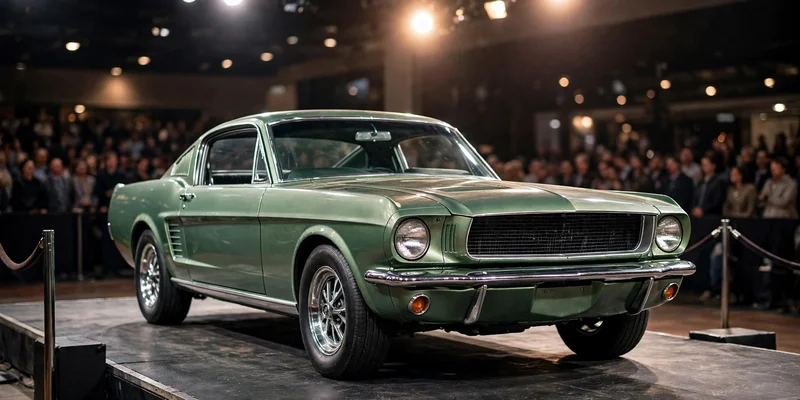
A documented matching numbers car is often worth 20 to 40 percent more than the same model with a replacement engine.
A 1969 Camaro SS 396 might sell for $55,000 with a replacement engine, while the same car with its original drivetrain can bring $70,000 to $77,000. Peak cars like the Hemi Cuda show premiums of 25 to 40 percent, while a plain coupe may gain only 5 to 10 percent.
If you finance the purchase, check whether the car loan interest deduction 2026 applies to your loan, and read our guide on the electric car tax credit 2026 USA since the federal EV credit ended on September 30, 2025.
- Paperwork multiplies the premium: A build sheet plus a Protect-O-Plate plus old titles can push a car to the top of its price range, since buyers pay for proof, not stories. If you flip cars, automotive accounting software keeps those records straight.
How do you check if a classic car is really matching numbers?
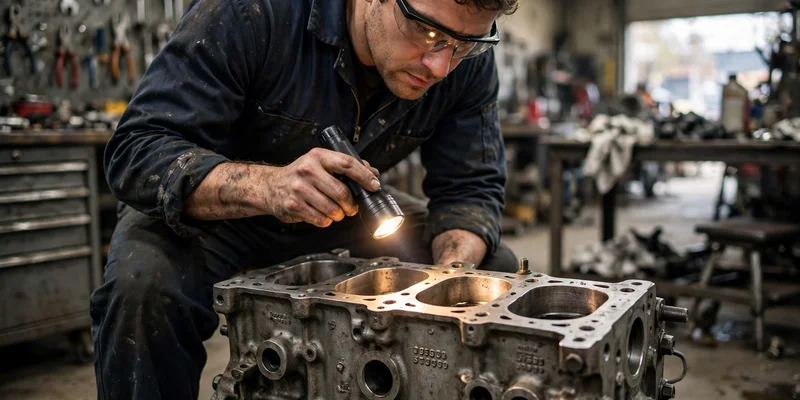
Decode the VIN, photograph every stamp, compare each casting date to the build date, and check the paper trail before you pay. When the money is big, hire a marque expert.
Start with the VIN decoder for your make, since free tools cover 1981 and later cars only. Next, read the casting dates: every casting date must come before the engine assembly date, and that date before the build date.
- Photograph everything: Take clear photos of the VIN plate, the engine pad, the transmission stamp, the axle code, and the trim tag, so an expert can review the car from miles away. On the test drive, listen for a car makes clicking noise when turning sound, which can point to a worn CV joint.
- Bring the right tools: A flashlight, a mirror, and a rag reach most stamps. An automotive oscilloscope kit tests the ignition and charging system, and an Autel diagnostic tool reads codes on a newer car.
What are the most common matching numbers scams to watch for?
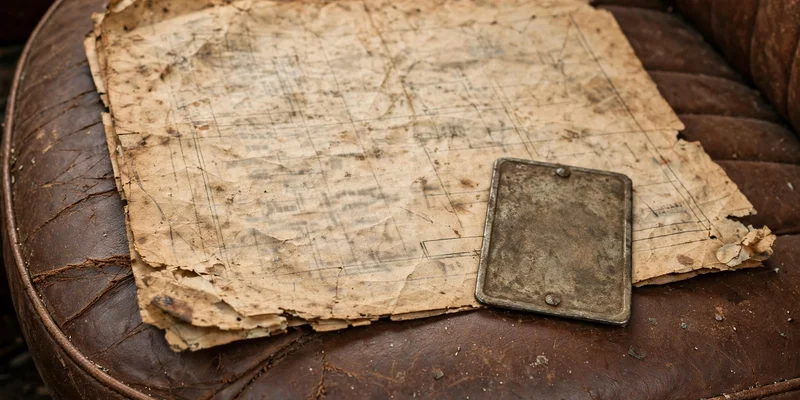
The most common scams are restamped engine pads, fake trim tags, reproduction build sheets, and re-bodied cars wearing a rare VIN. Each one can cost a buyer tens of thousands of dollars.
Restamping is the oldest trick in the book. A seller grinds the pad smooth, then stamps the right numbers with a set of dies bought online. One shop owner showed how a restamp can add $10,000 to a big block Chevy in minutes, and the missing factory broach marks are the giveaway.
- Fake trim tags: Real tags use factory rivets and a set font, and the codes must match the car. A tag with wrong rivets or a paint code that does not match the car is a fake. Learn how car dealerships make money on used cars so you can spot a padded price.
- Loose language in ads: Some sellers say “numbers matching” when they mean the engine is only the correct type and date for the car. Ask exactly which parts match, and get the answer in writing first.
Frequently Asked Questions
What is a matching numbers classic car in simple terms?
It is a classic car that still has the engine, transmission, and rear axle the factory installed when it was built. The stamped numbers on those parts match the car’s VIN and factory build records, which proves the drivetrain is original to that one car.
Does matching numbers mean every part is original?
No, it does not. The term covers the major parts only: the engine, the transmission, and the rear axle. Wear items like hoses, belts, tires, and brake pads are expected to be replaced over 50 years, and fresh ones do not hurt the claim.
How much more is a matching numbers classic car worth?
A documented matching numbers car is often worth 20 to 40 percent more than the same model with a replacement engine. On peak muscle cars like a Hemi Cuda, the premium can run higher, while a plain six cylinder coupe may gain only 5 to 10 percent.
Can a car be matching numbers if the engine was rebuilt?
Yes, it can. A rebuild keeps the same block, heads, and stampings, so the car stays matching numbers as long as the original block was not swapped. Bored cylinders, new pistons, and fresh bearings are normal rebuild work and do not break the match.
What is the difference between matching numbers and correct date?
Matching numbers means the exact parts the factory installed are still in the car, with stamps tied to that car’s VIN. Correct date means a part was made in the right time window, but it came from another car. Correct date is nice, yet worth less.
Where is the VIN on a classic car?
On cars built from 1969, the VIN plate sits at the base of the windshield on the driver side, where you can read it through the glass. On older cars, check the driver door jamb or the firewall. The plate should be held by factory rivets.
What is a Protect-O-Plate?
It is a small metal warranty plate GM gave buyers with a new car in the 1960s and 1970s. It lists the VIN, the engine code, and the delivery details, so it proves the engine in the car is the one it left the plant with.
Should I buy a classic car that is not matching numbers?
Yes, if the price is right and you love the car. A non matching car can be a great driver and a fun weekend toy for far less money. Just pay the non matching price, and skip the premium for originality the car does not have.
Conclusion
So, in this article, we covered what is a matching numbers classic car in detail. A matching numbers car still has the engine, transmission, and rear axle the factory installed, and the stamps on those parts line up with the VIN and the build records. That originality is worth real money, often 20 to 40 percent more, but only when you can prove it with stamps, dates, and paperwork. My advice is simple: never pay a matching numbers price for a seller’s word alone, and always check the stamps yourself or hire an expert before you hand over the cash. Found this guide useful? Share it with a friend who is shopping for a classic. Torn between old iron and new tech? See what an electric vehicle is before your next buy.