Lane departure warning uses a camera behind your windshield to watch the lane lines. When your car drifts over a line without a turn signal, it warns you with a beep, a vibration, or a dash icon. It only warns you. It does not steer the car back. Here is how the camera reads the road and when it misses the lines.
Your eyes feel heavy on a long drive home, and your car starts to drift toward the edge of the lane. A soft beep sounds, your steering wheel buzzes, and you snap back to attention before anything goes wrong. That quick warning is lane departure warning at work, and it is now standard on most new cars sold in the US in 2026. So how does lane departure warning work? A small camera watches the white and yellow lines and warns you the moment your car crosses one without a turn signal. In this guide you will learn how the camera reads the road, what each alert feels like, and the exact conditions where it can fail. You will also learn how to switch it on or off.
What is lane departure warning and how does it work?
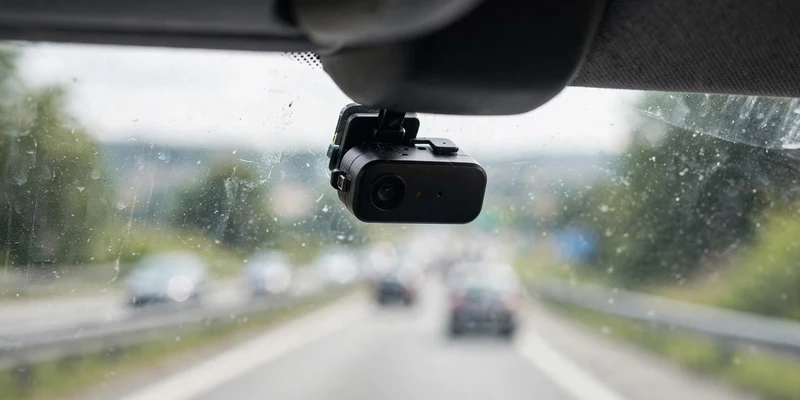
Lane departure warning watches lane markings and warns you when your car drifts out of its lane. It never steers the car for you.
The camera sits behind the windshield near the rearview mirror and looks at the road ahead. A small computer tracks the lane lines, and when your tire touches a line with your turn signal off, it fires a warning in less than a second. It is one part of the wider ADAS safety set in a modern car.
- The camera watches the road ahead. It scans the lane lines many times each second and sees lines 100 feet ahead.
- The computer judges your drift. It compares your path with the lane edges. A move toward a line without signaling counts as a drift.
A real example from a night drive
A driver on I-70 in Ohio felt his eyes close at 2 a.m. His car drifted right, the wheel buzzed, and he woke in time.
How does the camera detect lane lines on the road?

The camera takes many pictures of the road each second and looks for the contrast between dark asphalt and bright lane paint.
Most systems use one forward facing camera mounted high on the windshield. It reads light and dark edges, so white and yellow paint stands out against gray asphalt. Most systems only work above 35 miles per hour.
- Contrast is what the camera sees. Bright paint on dark asphalt gives a sharp edge. Fresh paint is easy to read. Worn paint gives a weak edge.
- The software builds a lane model. It joins the edges into left and right lines.
Why the camera sits behind the glass
A spot high on the windshield gives the camera a clear view and keeps it safe from rain and stone chips. The same camera often feeds automatic emergency braking too.
What happens when you drift out of your lane?
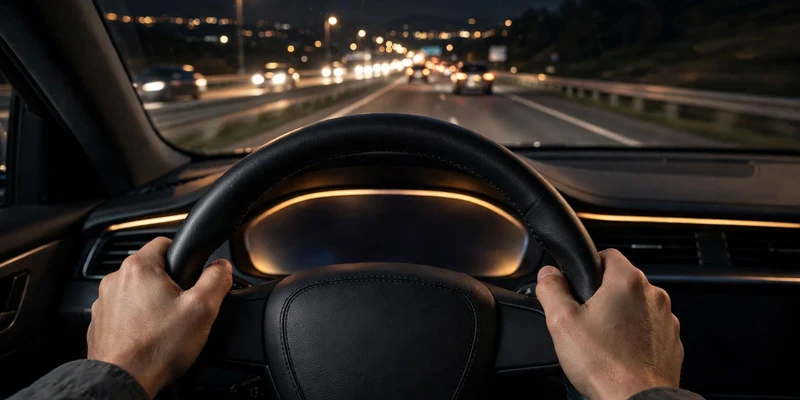
The system warns you within a second of your tire touching the lane line. You hear a beep or feel a vibration until you steer back.
The warning stops as soon as you steer back. It does not brake the car and it does not steer for you. That job belongs to lane keeping assist. A late reaction still needs good brakes, so read how to tell if your brake pads are worn and how long brake pads last.
- Audible alert: a beep or chime. Most cars play a short tone from the speaker on the side you drift toward.
- Steering wheel vibration: a silent shake. The wheel buzzes for a second or two.
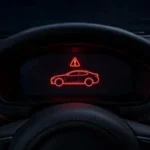
- Visual alert: a flashing lane icon. A small lane symbol lights up on the dash.
A real example from a drowsy afternoon
A sales rep on US-30 in Pennsylvania felt his focus slip after lunch. His car eased over the line, the wheel buzzed, and he pulled back in time.
What is the difference between lane departure warning and lane keeping assist?
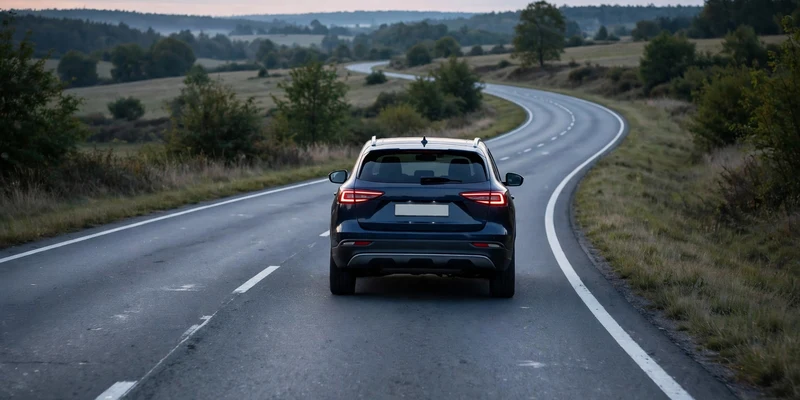
Lane departure warning only warns you. Lane keeping assist warns you and steers the car gently back into the lane. Lane centering holds the car in the middle of the lane.
Think of it as three steps on one ladder. Warning tells you about the drift. Assist adds a small steering push to fix it. Centering holds the car in the middle of the lane on its own. Many electric cars ship these systems as standard, so our guide to what an electric vehicle is can help.
- Lane departure warning: alert only. You get a beep, a vibration, or a flashing icon.
- Lane keeping assist: alert plus a steering nudge. It applies gentle torque to the wheel and guides the car back.
- Lane centering: steady hands on the wheel. It holds the middle of the lane and follows gentle curves.
Which cars have which system
Toyota calls it Lane Departure Alert, Honda calls it Road Departure Mitigation, and Ford calls it Lane-Keeping System.
When does lane departure warning not work?
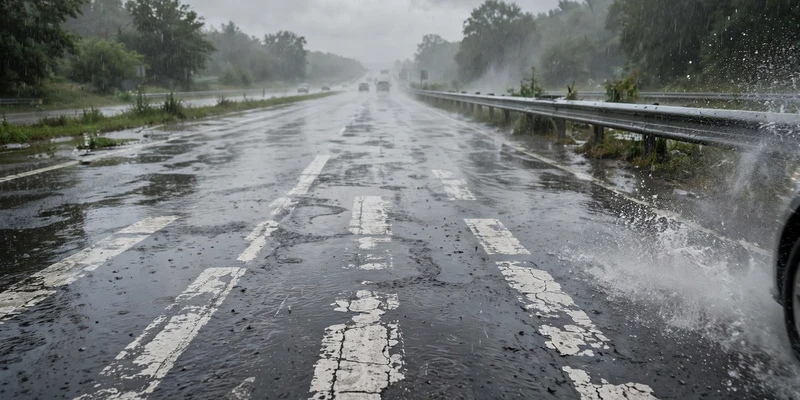
Lane departure warning stops working when the camera cannot see clear lane lines. Faded paint, heavy rain, snow, and glare can all blind it.
Poor markings are the most common reason for a missed warning, and winter is the worst season for it. Snow covers the lines and salt spray coats the windshield. Our guide to do electric cars lose range in winter covers what cold weather does to an EV on snowy roads.
- Faded or missing lines. Old paint and roads with no center line give the camera nothing to read.
- Rain, snow, and fog. Heavy rain blurs the lines, snow hides them, and thick fog cuts the view.
- Glare and road work. Low sun into the camera can wash out the picture, and old lines can confuse it.
What to do when the system goes quiet
If the dash shows the system is off, slow down and drive as if you had no warning at all. Clean the windshield and check again once the markings are clear.
How do you turn lane departure warning on or off?
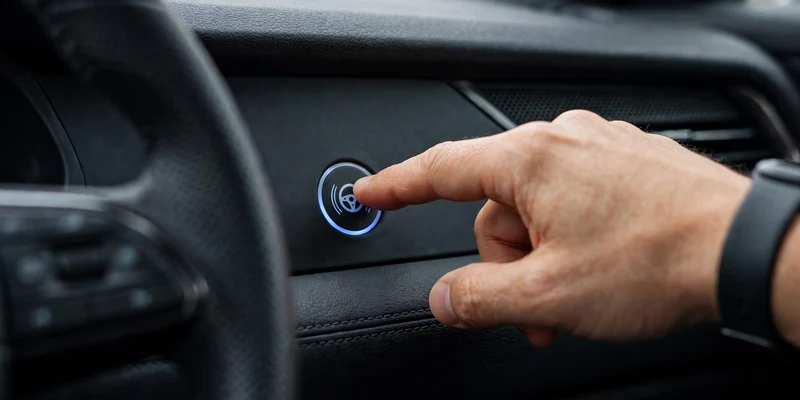
You switch it on or off from a button on the dash or steering wheel, or from the safety menu on your touch screen.
The button often shows a small car between two lane lines. On some cars the setting hides in the driver assist menu, where you can pick the alert type and the sensitivity. A weak battery can trigger false ADAS warnings too, so check how to tell if your car battery is bad if warning lights pop up. A new windshield needs a recalibration, and an Autel diagnostic tool is part of the job at many shops.
- Use the button for a quick change. Press it once to switch the system off.
- Use the menu for the alert type. Pick beep, vibration, or both.
- Get a recalibration after a windshield swap. The camera must be aimed again. Many shops charge $200 to $400.
Should you leave it on?
A driver in Texas switched the system off because it beeped on narrow country roads with no center line. On a highway trip a month later he forgot to switch it back on.
Frequently Asked Questions
What is lane departure warning?
Lane departure warning is a driver aid that watches the lane lines and warns you when your car drifts out of its lane. It uses a camera behind the windshield and gives you a beep, a vibration, or a flashing icon. It never steers the car for you.
How does lane departure warning work at night?
It works the same way it does in the day, since the camera reads the contrast between lane paint and the road surface. Your headlights light up the lines ahead, so the camera can still see them. It may struggle on dark rural roads with faded paint.
Does lane departure warning steer the car back into the lane?
No, lane departure warning does not steer the car. It only warns you with a beep, a vibration, or a flashing icon, and you must steer back yourself. Lane keeping assist is the system that steers, and it guides the car back into the lane for you.
Why does my lane departure warning keep beeping?
It beeps when the camera sees you cross a lane line without a turn signal, which happens a lot on narrow roads. Worn lines, a dirty camera, or a high sensitivity setting can also set it off. Clean the windshield first, then lower the sensitivity in the menu.
How does lane departure warning work in the rain?
Rain makes the job harder, since water blurs the lane paint and spray coats the camera lens. Light rain is fine, and the system keeps working. In heavy rain it may warn you less, or switch itself off until the view clears.
Can lane departure warning work without lane lines?
No, lane departure warning needs visible lane lines to work. The camera reads the paint on the road, so a road with no lines or snow covered markings will leave it silent. Some systems use one line alone, but with no lines at all the system has nothing to track.
Does lane departure warning work on all roads?
Lane departure warning works best on highways and well marked main roads, and it struggles on narrow country lanes, city streets, and roads under repair. Most systems also need a speed above 35 miles per hour before they switch on.
Is lane departure warning worth keeping on?
Yes, lane departure warning is worth keeping on for most drivers. It costs you nothing to run, it only speaks up when you drift, and safety data shows it cuts lane departure crashes. If the beeps annoy you, switch the alert to vibration only.
Conclusion
So, in this article, we covered how does lane departure warning work in detail. You now know the camera behind your windshield reads the lane lines, the computer tracks your place in the lane, and the system warns you with a beep, a vibration, or a flashing icon. You also know the difference from lane keeping assist, which steers, and the limits in rain, snow, and faded paint. My advice is simple: leave the system on for highway driving and keep the windshield clean around the camera. A small buzz at the right moment can keep a tired moment from turning into a crash. If this guide helped you, share it with a friend who drives long distances, and check our next Tech guide for your next car safety question.