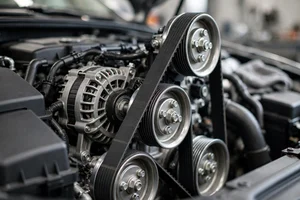
A serpentine belt is the single rubber belt that drives your alternator, power steering pump, water pump, and air conditioning compressor. Most cars need a new one every 60,000 to 100,000 miles, or about every 4 to 6 years. This guide covers what the belt does, the warning signs of wear, the 2026 replacement cost, and what happens if it snaps while you drive.
That high-pitched squeal under your hood on a cold morning is often your serpentine belt asking for help, and it is a sound you should not ignore for long. So what is a serpentine belt and when to replace it? It is the long rubber belt that powers your alternator, power steering, water pump, and air conditioning, and most cars need a new one every 60,000 to 100,000 miles. In this guide you will learn what the belt does, how to spot wear before it snaps, what a shop charges in 2026, and when a home swap makes sense for your car and your budget. You will also see the real cost of waiting too long, because a snapped belt can leave you with no steering help and an engine that heats up fast.
What is a serpentine belt?
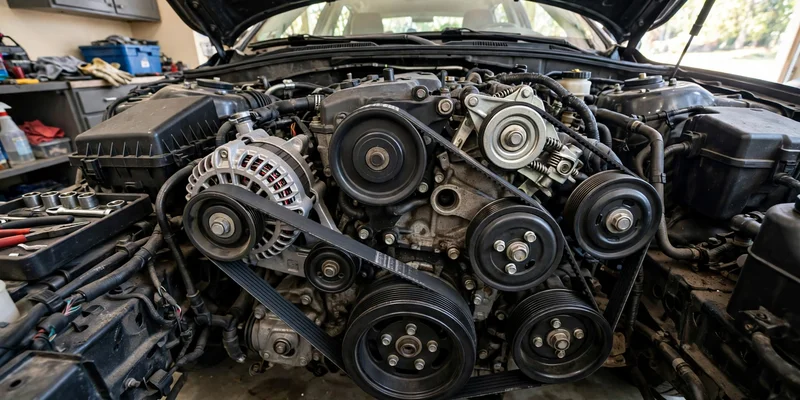
A serpentine belt is a single long rubber belt that drives the alternator, power steering pump, water pump, and air conditioning compressor in your car. It winds around several pulleys in a snake-like path, which is where the name comes from.
- One belt runs four key parts. The alternator charges your battery, the power steering pump helps you turn, the water pump moves coolant, and the compressor cools your air. If you want to know how to tell if your alternator is bad, a slipping belt is one of the first things to rule out.
- The tensioner keeps it tight. A spring-loaded tensioner keeps the belt tight, and one or two idler pulleys guide it along the right path. A worn tensioner can make a good belt squeal, so a shop checks both parts together.
A real example from a 2018 Honda Accord
A driver in Phoenix heard a squeal each morning at start-up.
When should you replace a serpentine belt?

Replace a serpentine belt every 60,000 to 100,000 miles, or every 4 to 6 years, whichever comes first. Your owner’s manual gives the exact interval for your car, and that number beats any general rule.
- Check the belt every 15,000 miles. A quick look at each oil change catches cracks early. Ask the shop to check it while the car is on the lift, since the belt is easy to see from below.
- Shorten the interval if you tow or idle a lot. Towing a trailer or sitting in traffic with the air on full blast puts more load on the belt. A 2016 Ford F-150 that tows a boat each summer may need a belt near 60,000 miles, not 100,000.
A real example from a high-mileage commute
A sales rep in Atlanta drove her 2017 Toyota RAV4 to 96,000 miles on the factory belt.
What are the signs of a bad serpentine belt?
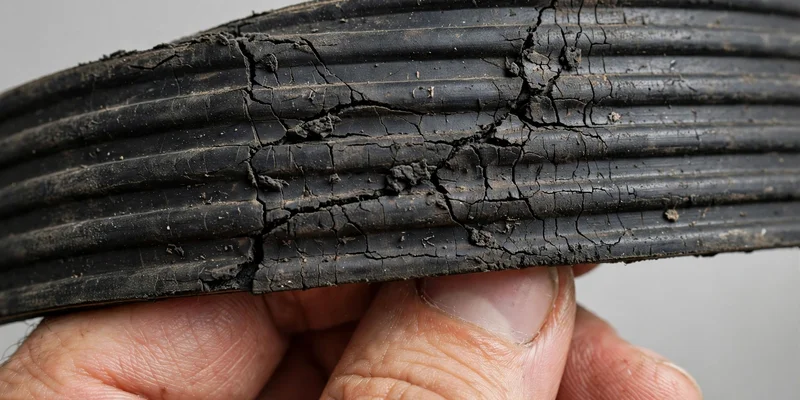
A bad serpentine belt squeals on start-up, shows cracks or fraying, and can cause heavy steering, a battery light, or engine overheating. The belt slips when it is worn, so the parts it drives slow down or stop.
- Squealing or chirping at start-up. The belt slips on a pulley until it warms up and grips. A 2015 Chevrolet Malibu in Ohio squealed each winter morning, and the belt was cracked through at 82,000 miles.
- Heavy steering or a battery light. A slipping belt spins the power steering pump and the alternator too slowly. If your steering feels stiff and the battery light comes on together, the belt is a likely cause, and our guide to tell if your car battery is bad can help you sort the two apart.
A real example from a summer road trip
A family in Dallas lost power steering on the highway when their belt snapped at 110,000 miles.
How much does it cost to replace a serpentine belt in 2026?
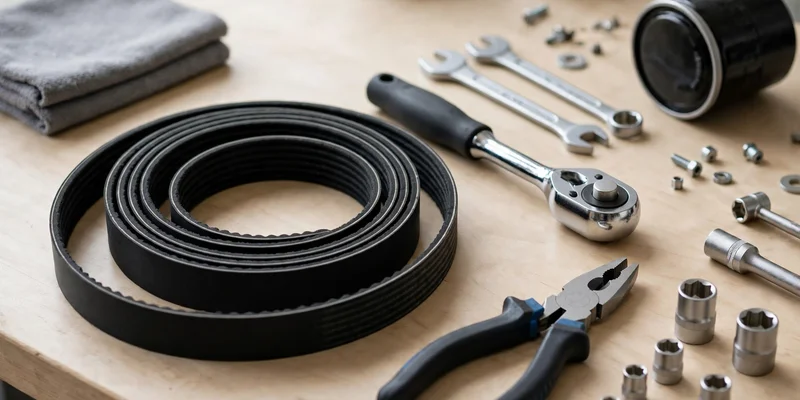
A serpentine belt change costs $75 to $200 at most independent shops in 2026, and $200 to $350 at a dealer. The belt itself runs $25 to $75, and labor adds $75 to $150 for a job that takes under an hour.
- Parts: $25 to $75 for the belt alone. A belt for a 2020 Mazda CX-5 costs about $35, while a belt for a 2019 BMW 3 Series costs near $70. A full kit with tensioner and pulleys runs $80 to $180.
- Labor: $75 to $150 at an independent shop. Shops charge $120 to $180 per hour in most US cities in 2026. Book the belt with a routine service and ask the shop to check other wear parts too, such as how long brake pads last on your car, and learn how to check transmission fluid at home between visits.
A real example from a dealer quote
A driver in Chicago got a $320 dealer quote for his 2019 Jeep Grand Cherokee, then paid $165 at an independent shop for the same belt and a new tensioner.
Can you replace a serpentine belt yourself at home?

Yes, you can replace a serpentine belt at home on many cars with a ratchet, a breaker bar, and the routing diagram from under the hood. Most jobs take 30 to 60 minutes, and the part costs $25 to $75.
- Tools you need: a ratchet, a breaker bar, and gloves. A 3/8 inch drive ratchet fits most tensioners, and a serpentine belt tool costs about $25 at an auto parts store. A first job on a 2018 Toyota Corolla takes about 45 minutes.
- Some cars suit a shop instead. A V6 with the belt behind a motor mount can take 3 hours and needs a lift. If you also want a scan for other faults, an OBD2 scanner can read codes in minutes, and our spark plug guide on how often to replace spark plugs covers another common service you can pair with the job.
A real example from a home garage
Tom in Austin, Texas, changed the belt on his 2016 Honda Accord in 40 minutes.
What happens if a serpentine belt breaks while you drive?

If a serpentine belt breaks while you drive, you lose power steering, the alternator stops charging the battery, and the water pump stops moving coolant. Steering gets heavy, the battery light comes on, and the engine can overheat within minutes.
- Overheating is the big risk. An engine that runs hot can warp the head gasket, and that repair costs $1,500 to $3,000. A $150 belt job looks cheap next to that bill, and a failed converter from misfires is just as costly, as our signs of a bad catalytic converter show.
- The battery dies fast without the alternator. Lights, fans, and the fuel pump drain the battery in 20 to 30 minutes. A no-start after a belt break can look like a dead battery or a bad fuel pump, so read the signs of a bad fuel pump before you buy parts you do not need.
A real example from a broken belt
James in Atlanta ignored a squeal for 3 weeks.
Frequently Asked Questions
How long does a serpentine belt last?
A serpentine belt lasts 60,000 to 100,000 miles in most cars, or about 4 to 6 years. Heat, oil leaks, and short trips wear it out faster. A 2019 Toyota Camry can reach 90,000 miles on one belt, while a car that sits in hot sun may need one sooner. Check the belt at every oil change.
Can you drive with a squealing serpentine belt?
You can drive a short distance with a squealing serpentine belt, but you should book a check within days. The squeal often means the belt is loose, glazed, or worn, and it can slip off or snap without much warning. A short trip to the shop is fine. A long road trip is not worth the risk.
How do I know if my serpentine belt is bad?
Look for cracks, fraying, missing ribs, and a shiny glazed surface on the belt. Listen for squealing when you start the car or turn the steering wheel. Heavy steering, a battery light, or rising engine heat also point to a failing belt. A quick look under the hood can confirm most wear.
What is a serpentine belt and when to replace it on a Honda Civic?
On a Honda Civic, the serpentine belt usually needs a change at 60,000 to 100,000 miles, based on the model year. A 2018 Civic with a 2.0 liter engine often reaches 90,000 miles on the factory belt. Check the manual for your year, and look at the belt at each oil change.
How much does a serpentine belt replacement cost at a mechanic?
A serpentine belt change costs $75 to $200 at most independent shops in 2026. The belt itself runs $25 to $75, and labor adds $75 to $150 for a job that takes under an hour. Dealers often charge $200 to $350. Cars with tight engine bays cost more, since the belt is harder to reach.
Does a serpentine belt affect the air conditioning?
Yes, the serpentine belt drives the air conditioning compressor, so a worn or snapped belt can stop your air conditioning from cooling. If the air blows warm and you also hear a squeal from the engine, the belt is a likely cause. A shop can check the belt and the compressor in one visit.
What happens if a serpentine belt breaks while driving?
If the belt snaps, you lose power steering, the alternator stops charging the battery, and the water pump stops moving coolant. Steering gets heavy fast, the battery light comes on, and the engine can overheat in minutes. Pull over safely, turn the engine off, and call a tow truck.
Can I replace a serpentine belt myself?
Yes, you can change a serpentine belt at home on many cars with a ratchet, a breaker bar, and the routing diagram from under the hood. Most jobs take 30 to 60 minutes. Some cars hide the belt behind a motor mount or a wheel liner, and those jobs suit a shop with a lift.
Conclusion
So, in this article, we covered what is a serpentine belt and when to replace it in detail. You now know the belt drives your alternator, power steering, water pump, and air conditioning, and most cars need a new one every 60,000 to 100,000 miles or about every 4 to 6 years. You also know the warning signs, from a cold-start squeal and visible cracks to heavy steering and a battery light, plus the 2026 cost of a shop job and the steps of a home swap. My advice is simple: check the belt at every oil change and change it before it snaps, not after. A $150 belt job beats a tow bill and an overheated engine any day. Open your hood this week, look at the belt, and share what you find in the comments below.