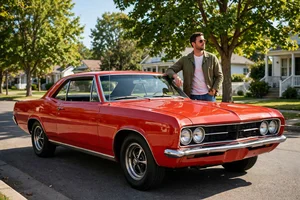
To value a classic car, check its condition grade, compare recent sales of the same model, and confirm matching numbers and paperwork. This guide walks you through Hagerty values, auction results, and appraisals in 2026, plus the factors that raise or cut a classic car price by thousands of dollars.
You found a 1967 Mustang for sale, the seller wants $45,000, and you have no idea if that is a fair price or a $15,000 mistake. That is the exact problem every classic car buyer faces, and learning how to value a classic car is the skill that keeps you from overpaying. In this guide you will see the 2026 method step by step, from condition grades and price guides to auction results and appraisals, plus the factors that move a price up or down by thousands. You will also learn the checks that catch hidden rust, bad paperwork, and cars that look better in photos than in person. By the end, you will know what the car in front of you is really worth.
What is the best way to value a classic car?
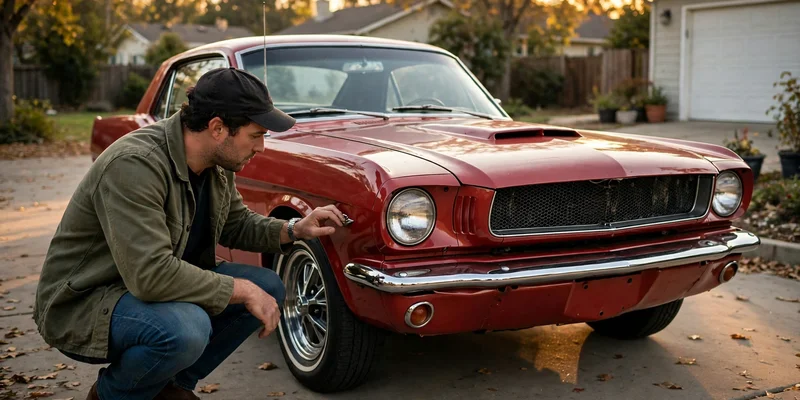
The best way to value a classic car is to grade its condition, check the Hagerty Valuation Tool, and compare 5 recent sales of the same model. Price guides give you a range, and real sales show you what buyers actually paid.
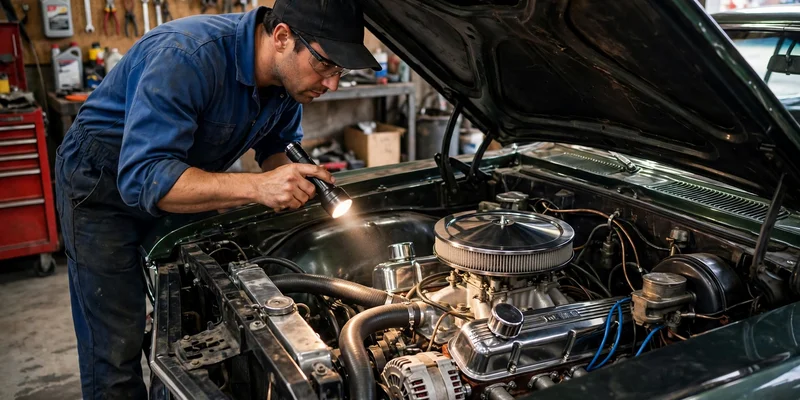
- Step 1: grade the condition honestly. Walk around the car, look under it, and note every flaw. A shiny paint job can hide rust, so check the floors, the trunk, and the frame rails with a magnet and a flashlight.
- Step 2: check guides and recent sales. The Hagerty Valuation Tool is free and lists values by condition. Our guide on what a matching numbers classic car is explains the one check that can move the price by 10 to 30 percent, so run it before you trust any guide number.
A real example from a Mustang purchase
A buyer in Dallas found a 1967 Mustang coupe listed at $45,000.
How do condition grades affect a classic car value?
Condition grades affect a classic car value more than any other factor, and one grade can change the price by $5,000 to $15,000. Hagerty grades cars from 1 to 4, with 1 as concours, 2 as excellent, 3 as good, and 4 as fair.
- Grade 2, excellent: strong price. A 1965 Ford Mustang fastback in grade 2 sells for about $40,000 to $50,000. It looks great at a show and drives well, with only minor flaws like a small chip or a worn pedal pad.
- Grade 4, fair: project price. The same car in grade 4 sells for about $12,000 to $20,000. It runs, but it needs paint, rust repair, and interior work, so read our guide on the cheapest classic cars to restore before you buy a project car.
A real example from a grade dispute
A seller in Ohio listed his 1969 Camaro as grade 2 and asked $52,000.
Which price guides and tools give the most accurate classic car values?
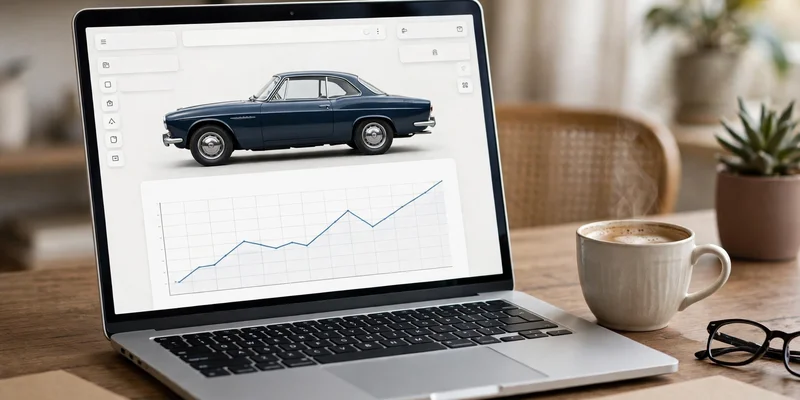
The Hagerty Valuation Tool gives the most accurate classic car values for most buyers, since it tracks real sales and lists values by condition grade. J.D. Power classic values and Hemmings listings are useful checks, and no single guide should set your price alone.
- Hagerty Valuation Tool: free, best for most classics. It lists values by condition and shows auction results. A 1967 Corvette coupe in grade 2 shows near $55,000, while a grade 4 car shows near $30,000, and the gap shows why the grade matters.
- Hemmings and eBay Motors: real asking prices. Search sold listings, not active ones, since asking prices run 10 to 20 percent above sale prices. If you plan to buy at auction, read how to buy a classic car at auction so you know the fees that sit on top of the hammer price.
A real example from a price check
A buyer in Florida checked a 1972 Chevrolet Chevelle on 3 sources.
How do auction results help you value a classic car?
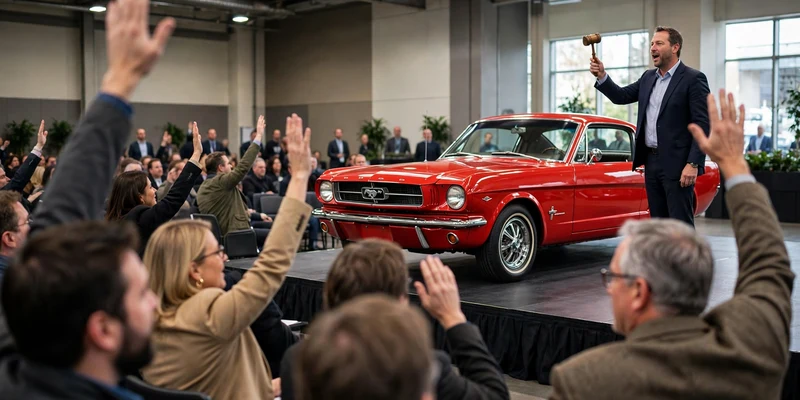
Auction results help you value a classic car by showing what buyers actually paid, not what sellers asked. Sites like Bring a Trailer, Mecum, and Barrett-Jackson publish final sale prices, and 5 sales of the same model give you a tight price range.
- Bring a Trailer: best for online sales data. Every listing shows the final bid and a comment thread where experts point out flaws. A 1969 Dodge Charger R/T sold for $82,000 there in 2026, while a base Charger sold for $31,000 the same month.
- Use 5 sales, not 1. One sale can be a fluke, but 5 sales of the same model give you a range you can trust. Look for the same year, model, engine, and transmission, since a fastback with a V8 sells for far more than a coupe with a 6 cylinder engine. If you want a car under $10,000, our list of the best classic cars under $10000 shows which models still sell cheap.
A real example from an auction check
A seller in Texas wanted $48,000 for his 1970 Plymouth Barracuda.
What factors raise or lower a classic car value the most?
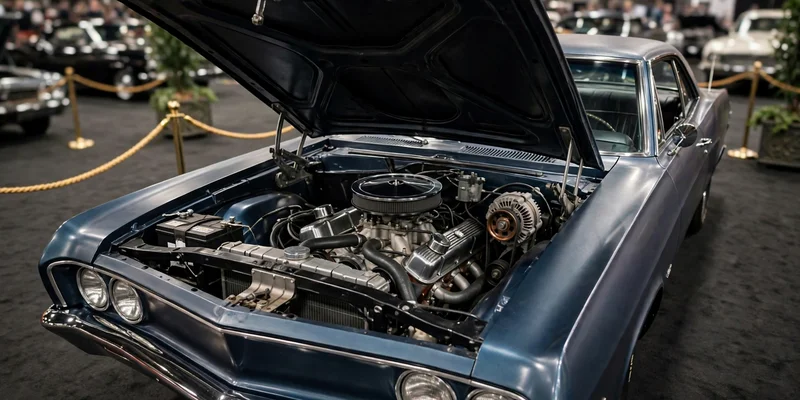
Originality, matching numbers, condition, and paperwork raise a classic car value the most, while rust, a replacement engine, and missing records cut it the fastest. A rare option or a famous past owner can add 20 percent or more, and rust can cut the value in half.
- Matching numbers and paperwork: plus 10 to 30 percent. A 1969 Camaro Z/28 with its original engine and a build sheet sold for $68,000, while a similar car with a replacement engine sold for $52,000. If you hunt for original cars, read how to find barn find cars to learn where untouched cars still turn up.
- Rust and crash damage: minus 30 to 50 percent. A 1967 Mustang with rusted floors and a bent frame rail is a parts car to most buyers, even if it runs. A clean car with the same miles sells for twice as much, and our guide on the best classic muscle cars for beginners shows which models give you the most car for the money.
A real example from a paperwork win
A buyer in California paid $38,000 for a 1965 Mustang with a full binder of records, the original window sticker, and 2 prior owners.
Should you get a professional appraisal for a classic car?
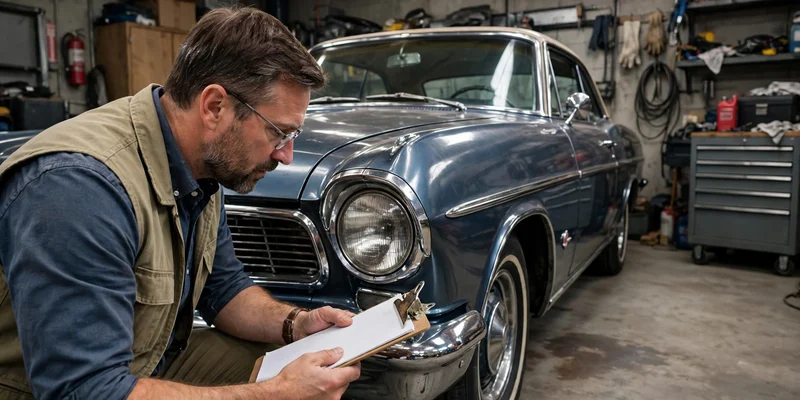
Yes, you should get a professional appraisal for a classic car if you buy, sell, or insure one worth $25,000 or more. An appraisal costs $200 to $500, and it gives you a written value with photos that insurers and buyers trust.
- Cost: $200 to $500 in most US cities. A written appraisal with photos takes 1 to 2 hours on site. A quick verbal value from a dealer may cost $50 to $100, but it carries less weight with an insurer.
- When it pays: high-value cars, insurance, and disputes. A buyer in New York paid $300 for an appraisal on a $55,000 Corvette, and the appraiser found a replaced front clip that cut the value to $44,000. The $300 fee saved him $11,000. If you are new to classics, start with our guide on how to buy a classic car and the classic car vs antique car difference so you know the rules before you spend.
A real example from an insurance claim
An owner in Florida insured his 1968 Charger for $40,000 with an agreed-value policy backed by an appraisal.
Frequently Asked Questions
How do I find the value of my classic car?
Start with the Hagerty Valuation Tool, which is free and gives values by condition grade. Then check recent sales of the same model on Bring a Trailer and Hemmings. A 1967 Mustang coupe in good shape may list at $25,000 to $35,000, based on the engine and options.
What is the most accurate classic car price guide?
The Hagerty Valuation Tool is the most used classic car price guide, since it tracks real sales and lists values by condition. J.D. Power classic values and NADAguides are useful too. No guide is exact, so compare 2 or 3 sources and check recent auction results before you set a price.
How much does a classic car appraisal cost?
A classic car appraisal costs $200 to $500 in most US cities in 2026. A written appraisal with photos and a condition report suits insurance and sales. A quick verbal value from a dealer or club expert may cost $50 to $100, but it carries less weight with insurers.
Does matching numbers increase a classic car value?
Yes, matching numbers can raise a classic car value by 10 to 30 percent, since buyers pay more for a car with its original engine and transmission. A 1969 Camaro with matching numbers may sell for $10,000 more than the same car with a replacement engine. Check the codes before you pay the premium.
How do I value a classic car with no paperwork?
A classic car with no paperwork is worth 10 to 20 percent less than the same car with a full history. Check the VIN plate, the title, and the hidden numbers on the engine and frame. A title search and a club expert can confirm the car is real, but missing records always cut the price.
What condition is my classic car in?
Classic cars are graded from 1 to 4, with 1 as concours, 2 as excellent, 3 as good, and 4 as fair. A grade 2 car looks sharp and drives well, while a grade 4 car runs but needs work. Be honest in your grade, since one grade can change the value by $5,000 to $15,000.
Are classic cars going up in value in 2026?
Some classic cars are going up in value in 2026, while others are flat or falling. Air-cooled Porsches, 1960s muscle cars, and clean 1980s trucks hold strong. Common models with high supply, like base 1970s sedans, have not moved much. Buy the car you love, not only the one you hope will rise.
How do I value a classic car I want to sell?
To value a classic car you want to sell, grade its condition honestly, check Hagerty values, and look at 5 recent sales of the same model. Price it near the middle of the range if you want a quick sale. A clean car with records and fresh photos sells faster and for more money.
Conclusion
So, in this article, we covered how to value a classic car in detail. You now know to grade the condition first, check Hagerty values, compare recent auction sales, and confirm matching numbers and paperwork before you trust any price. You also know the factors that move value most, from originality and rust to records and rarity, and when a $200 to $500 appraisal is worth it. My advice is simple: never pay a seller’s price without checking 5 recent sales of the same model. Take your time, inspect the car in person, and buy the best condition you can afford. Tell us which classic you are pricing in the comments below. A careful buyer today saves thousands tomorrow, and the right car at the right price is worth the wait.