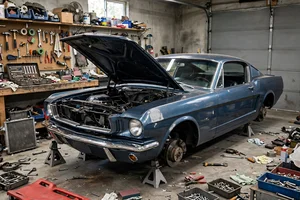
The cheapest classic cars to restore are the Ford Mustang, Volkswagen Beetle, Chevrolet C10 pickup, Jeep CJ-7, and Chevrolet Camaro. A running project car costs $5,000 to $12,000, and parts are cheap because millions were built. A full restoration can still cost $15,000 to $30,000, so the buy price is only the start.
You dream of a classic in your garage, but the prices you see online scare you off. A rare muscle car can cost $50,000 before you turn a wrench, yet a common classic can cost a tenth of that. The cheapest classic cars to restore share three traits: they were built in huge numbers, parts are still made new, and other owners share repair tips online. In this guide you will learn the cheapest picks, what a restoration costs, which cars have the cheapest parts, what to check before you buy, and how to keep the project on budget. We will also show you what to check before you pay, from rust in the floors to the title and the engine numbers, so your first classic does not turn into a costly mistake.
What are the cheapest classic cars to restore?
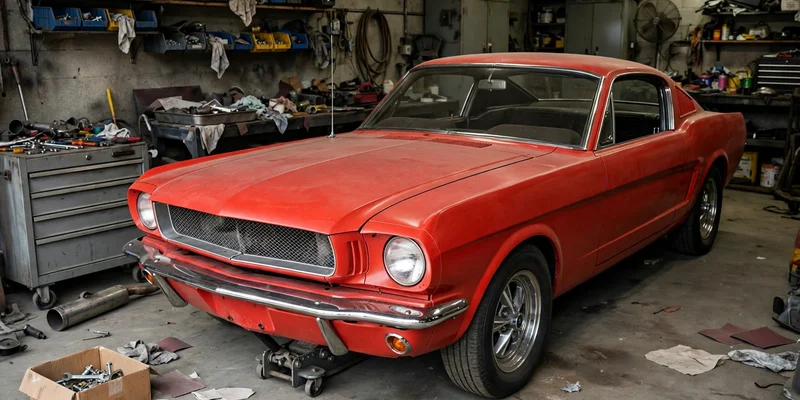
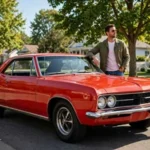
The cheapest classic cars to restore are the 1965 to 1973 Ford Mustang, the 1968 to 1979 Volkswagen Beetle, the 1967 to 1972 Chevrolet C10, the 1976 to 1986 Jeep CJ-7, and the 1967 to 1969 Chevrolet Camaro. A running project costs $5,000 to $12,000, and a non running project can cost $2,500 to $6,000.
These cars are cheap because Ford, Volkswagen, and Chevrolet built millions of them, so parts and donor cars are easy to find. A Mustang shares parts with other Ford cars, and a Beetle shares parts with other Volkswagen cars. That wide supply keeps prices low, while a rare car with few parts left can cost three times more for the same repair.
- 1965 to 1973 Ford Mustang: $6,000 to $12,000 for a running project. A six cylinder coupe is the cheapest Mustang to buy and restore. A V8 fastback costs far more, so start with a coupe if your budget is tight.
- 1968 to 1979 Volkswagen Beetle: $4,000 to $9,000 for a running project. A Beetle has a simple air cooled engine with few parts, and you can pull the engine out in an hour. A rust free California car is worth $2,000 more than a rusty one.
A real example from a first restoration
Ben in Ohio bought a 1966 Ford Mustang coupe for $7,500 in 2025. It ran, but it needed brakes, paint, and a new interior. He spent $11,000 more over 18 months, and the car is now worth about $22,000.
How much does it cost to restore a cheap classic car?
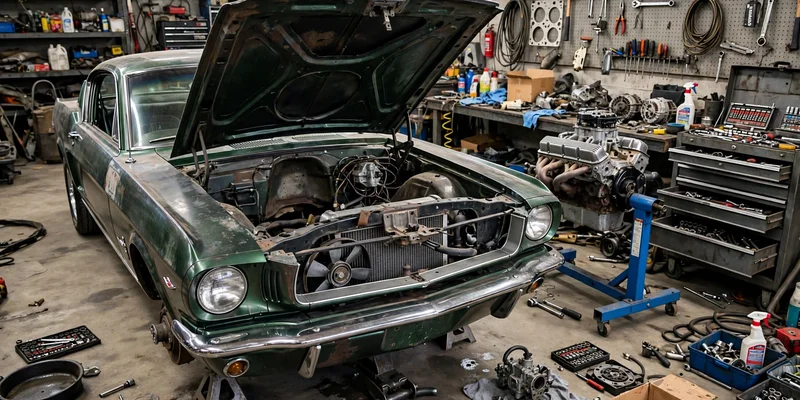
A cheap classic car restoration costs $15,000 to $30,000 in total, based on a $5,000 to $12,000 buy price plus $10,000 to $18,000 in parts and labor. A driver quality restoration costs less, while a show quality job can cost $40,000 or more.
The buy price is only a third of the total cost. Parts take the next third, and paint and labor take the rest. A driver quality car needs safe brakes, a sound engine, a clean interior, and decent paint. A show car needs new chrome, a perfect paint job, and a rebuilt engine, which can double the bill. Most first time owners should aim for driver quality, since it costs half as much and you can drive the car sooner.
- Buy price: $5,000 to $12,000. A running car with solid floors and a working engine costs $7,000 to $12,000. A non running car costs $2,500 to $6,000, but it may need an engine rebuild for $3,000 to $5,000.
- Mechanical work: $4,000 to $8,000. Brakes cost $800 to $1,500, suspension costs $1,000 to $2,000, and an engine refresh costs $2,000 to $4,000. A full engine rebuild costs $4,000 to $6,000 on a small block V8.
A real example from a Beetle restoration
Sara in Texas bought a 1972 Volkswagen Beetle for $5,500. She spent $3,200 on brakes and engine work, $2,800 on paint, and $1,900 on the interior, for a total of $13,400. The car now runs well and is worth about $16,000.
Which classic cars have the cheapest parts?
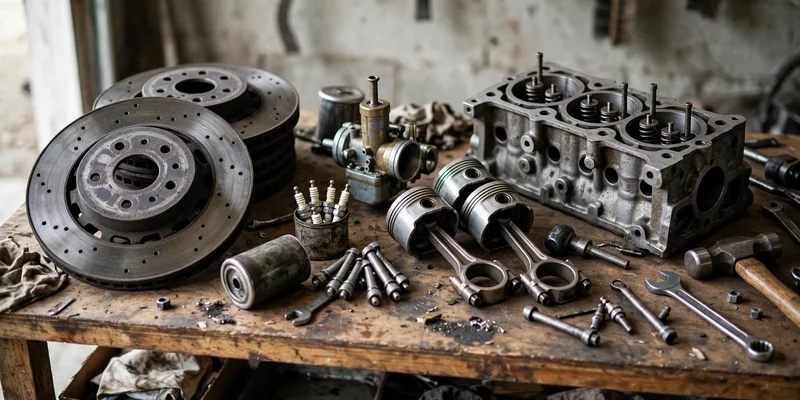
The classic cars with the cheapest parts are the Ford Mustang, Chevrolet C10, Volkswagen Beetle, Jeep CJ-7, and Chevrolet Camaro, since millions were built and new parts are still made for them. A brake kit for a Mustang costs $150 to $300, while a brake kit for a rare car can cost $800 or more.
Parts cost drops when many cars share the same part. A Mustang brake kit fits many Ford cars, and a C10 engine part fits many Chevrolet trucks. New parts makers still build panels, trim, and engine parts for these cars, so you rarely need to hunt for a used part. A rare car has no new parts market, so you must pay a collector price for a used part that may also be worn out.
- Ford Mustang: brake kit $150 to $300. A full brake kit with pads, rotors, and hoses costs about $220 for a 1966 Mustang. A new fender costs $250 to $400, and a seat kit costs $900 to $1,400.
- Volkswagen Beetle: engine parts are very cheap. A full engine gasket set costs $80 to $150, and a new carburetor costs $200 to $350. A Beetle floor pan costs $150 to $250, and you can fit it at home.
A real example from a parts order
Mike in Michigan ordered brake parts for his 1969 Chevrolet C10 and his friend’s 1965 Jaguar in the same week. The C10 kit cost $240, while the Jaguar kit cost $890, and the Jaguar parts took 3 weeks to arrive.
What should you check before buying a cheap classic to restore?
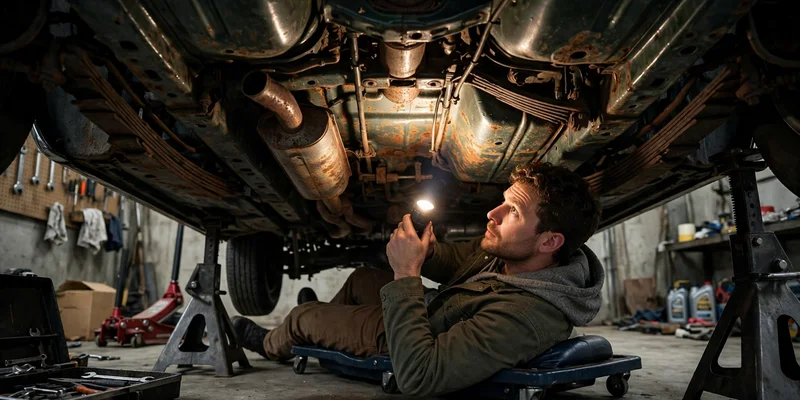
Check the frame, floors, rockers, engine, title, and numbers before you buy a cheap classic to restore. Rust in the frame or floors can cost $3,000 to $6,000 to fix, which can turn a cheap car into a costly one.
A car that looks good on top can hide rust underneath, so get under the car with a flashlight and a magnet. A magnet that will not stick means filler, not steel. Check the title too, since a car with no title can cost $500 to $1,000 and months of work to register. Check the numbers as well, since a car with its factory engine is worth more. Read our guide to what is a matching numbers classic car to see why the engine number matters.
- Frame and floors: look for rust holes. Push a screwdriver into the frame rails and floor pans. A hole means rust repair, which costs $2,000 to $5,000 at a shop. A car with solid floors is worth $2,000 more.
- Buy at the right place. A private seller can be cheaper than a dealer, and an auction can be cheaper still. Read how to buy a classic car and how to buy a classic car at auction before you bid. You can also hunt for a low price car, so read how to find barn find cars.
A real example from a rust check
Dan in Florida almost bought a 1968 Camaro for $9,000, but he found rust holes in both floor pans and the trunk. The repair quote was $4,500, so he walked away and bought a solid 1967 Mustang for $11,000 instead.
How do you keep a restoration project on budget?
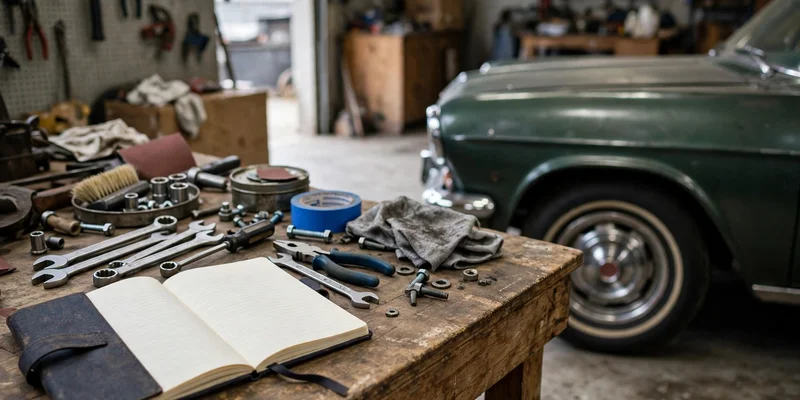
You keep a restoration project on budget by setting a total budget first, doing the easy work yourself, buying parts in stages, and fixing safety items before looks. A written budget and a parts list stop the small buys that add up to thousands.
Most projects go over budget because the owner buys parts with no plan. A $200 part here and a $300 part there can add $3,000 in a month. Set a total budget, such as $18,000, and split it into parts, paint, and labor. Buy parts only when you are ready to fit them, since a part that sits on a shelf for a year may not fit or may be the wrong part. Do the work you can do at home, such as brakes, interior, and trim, and pay a shop only for paint and engine work.
- Set a total budget and write it down. A $18,000 budget with $7,000 for the car, $6,000 for parts, and $5,000 for paint and labor keeps you honest. A written budget stops impulse buys.
- Know the value before you spend. A car that is worth $20,000 when done should not get a $25,000 restoration. Read how to value a classic car to set a fair limit. See our list of best classic cars under $10,000 for more cheap picks, and read the classic car vs antique car difference to know how your car is classed. For a first muscle car, read the best classic muscle cars for beginners.
A real example from a budget build
The Green family in Ohio set an $16,000 budget for a 1970 C10. They did the brakes and interior at home, paid a shop only for paint, and finished at $15,800. Their neighbor spent $24,000 on a similar truck with no budget plan.
Is restoring a cheap classic car worth it?
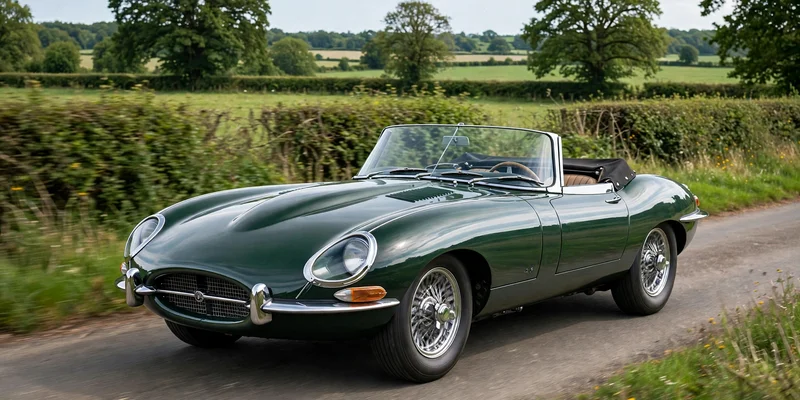
Restoring a cheap classic car is worth it if you enjoy the work, pick a popular model, and keep the total cost below the finished value. It is not worth it if you pay a shop for all the work, since labor can push the cost above the value.
A restoration is worth it when the car is worth more than you spent, or when the joy of driving it is worth the gap. A Mustang that costs $18,000 to restore and is worth $22,000 is a win. A rare car that costs $30,000 to restore and is worth $18,000 is a loss, unless you love that car and plan to keep it for years. Do the work yourself, pick a popular model, and stop when the budget runs out.
- Yes, if you do the work yourself. Home labor saves $5,000 to $10,000, which is often the gap between profit and loss. A car restored at home can earn a small profit or break even.
- Yes, if you pick a popular model. A Mustang, Beetle, or C10 has a strong market when you sell. A rare car with few buyers can sit for months, even at a low price.
A real example from a finished car
John in Kansas restored a 1967 Beetle for $13,000 over 14 months. He drives it every weekend, and a buyer offered $17,500 for it last month. He kept the car, since the fun of driving it was worth more than the profit.
Frequently Asked Questions
What is the cheapest classic car to restore?
The cheapest classic car to restore is the Volkswagen Beetle, with a running project at $4,000 to $9,000 and very cheap engine parts. The Ford Mustang is next, at $6,000 to $12,000 for a running coupe, with a huge parts market and strong resale value.
How much does it cost to restore a classic car?
A cheap classic car restoration costs $15,000 to $30,000 in total, based on a $5,000 to $12,000 buy price plus $10,000 to $18,000 in parts and labor. A driver quality job costs less, while a show quality job can cost $40,000 or more.
Which classic car is easiest to restore for a beginner?
The Volkswagen Beetle is easiest to restore for a beginner, since it has a simple air cooled engine with few parts and a large owner community. The Ford Mustang is also easy, since parts are cheap and repair guides are everywhere. Both cars suit a first restoration.
Are parts cheap for a Ford Mustang restoration?
Yes, parts are cheap for a Ford Mustang restoration, since millions were built and new parts are still made. A brake kit costs $150 to $300, a fender costs $250 to $400, and a seat kit costs $900 to $1,400. Most parts arrive in days, not weeks.
How long does it take to restore a classic car?
A cheap classic car restoration takes 12 to 24 months for a home owner who works on weekends. A driver quality job can take 6 to 12 months, while a show quality job can take 2 to 3 years. A shop can finish faster, but it costs far more.
Is it cheaper to restore a classic car or buy one finished?
It is often cheaper to buy a finished classic car than to restore one, since a finished car costs $15,000 to $25,000 while a restoration can cost $15,000 to $30,000 plus your time. Restore a car if you enjoy the work, not just to save money.
What classic cars should you avoid restoring?
You should avoid restoring a rare classic car with few parts, a car with heavy frame rust, or a car with no title. A rare car can cost three times more for parts, frame rust can cost $3,000 to $6,000 to fix, and a missing title can block registration.
Can you make money restoring a cheap classic car?
Yes, you can make money restoring a cheap classic car if you buy low, do the work yourself, and pick a popular model. A Mustang restored for $18,000 and sold for $22,000 earns $4,000, but shop labor can erase that profit. Most owners restore for fun, not for profit.
Conclusion
So, in this article, we covered cheapest classic cars to restore in detail. You now know the cheapest picks are the Ford Mustang, Volkswagen Beetle, Chevrolet C10, Jeep CJ-7, and Chevrolet Camaro, with running projects at $5,000 to $12,000. You also know a full restoration costs $15,000 to $30,000, parts are cheapest on popular models, and rust in the frame or floors can turn a cheap car into a costly one. My advice is simple: pick a popular model, check the frame and title before you pay, set a written budget, and do the easy work yourself. That plan gives you a classic you can drive and enjoy. Start your search this week, and share the car you pick in the comments below.