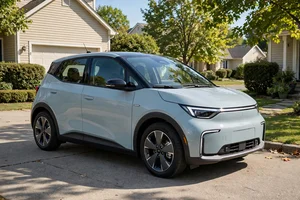
Few new electric cars cost under $30000 in 2026 now that the $7,500 federal tax credit has ended, but the 2026 Nissan Leaf starts at $29,990 and strong used EVs cost far less. This guide lists the best electric cars under $30000, with real prices, range, battery health checks, and monthly charging costs, so you can buy with confidence.
You want an electric car, but $40,000 sticker prices keep pushing the dream out of reach, and the old $7,500 federal tax credit is gone. The good news is that the best electric cars under $30000 still exist in 2026, if you know where to look. One new model starts under the line, and a wave of used EVs now sells for $15,000 to $28,000 with plenty of life left. In this guide you will see real 2026 prices with no credit applied, the range you can expect, the monthly charging cost, and the checks that keep you from buying a tired battery. You will also learn which state rebates can cut the price further. By the end, you will know exactly which cars are worth your money.
Which new electric cars cost under $30000 in 2026?
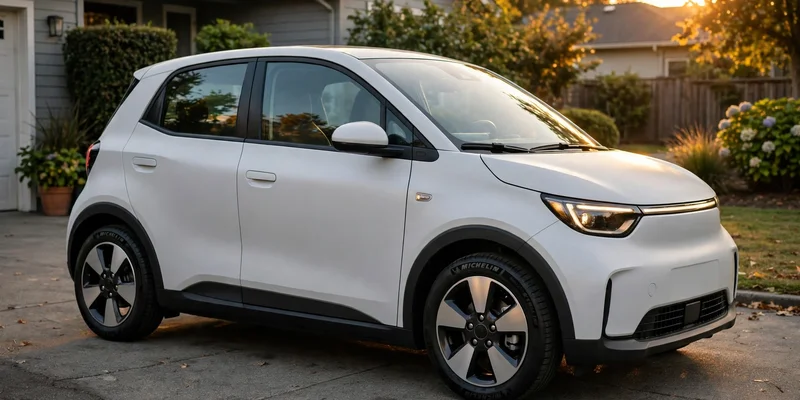
Only one new electric car starts under $30000 in 2026: the Nissan Leaf, which starts at $29,990. Every other new EV in the US starts above $30,000 once you price it without the federal tax credit.
- 2026 Nissan Leaf S+: $29,990. It gives you a 75 kWh battery, up to 303 miles of range on higher trims, and a fresh design. A buyer in Denver paid $29,990 plus tax and drove home the only new EV under $30,000 in the US.
- 2027 Chevrolet Bolt EV: about $30,000, coming soon. Chevy has said the new Bolt will start near $30,000 when it reaches dealers. It is not on sale yet in early 2026, so it is a car to watch, not a car you can buy today. Note that the $7,500 federal credit ended for vehicles acquired after 30 September 2025, as our guide to the electric car tax credit 2026 USA explains.
A real example from a first-time EV buyer
Maria in Phoenix shopped for a new EV with a $30,000 budget.
Which used electric cars under $30000 are the best value?
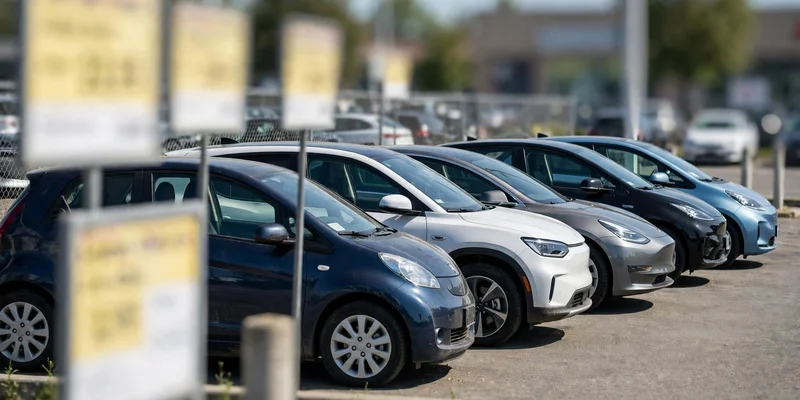
The best used electric cars under $30000 are the 2023 Chevrolet Bolt EUV, the 2021 to 2023 Tesla Model 3, and the 2023 Hyundai Kona Electric. They offer 239 to 350 miles of range for $18,000 to $28,000, which is far more car per dollar than any new EV at this price.
- 2023 Chevrolet Bolt EUV: $18,000 to $22,000. It gives 259 miles of range and a big hatch for the money. A 2023 model with 25,000 miles sold in Dallas for $19,500, which is half its original sticker price.
- 2021 to 2023 Tesla Model 3: $22,000 to $28,000. It gives 260 to 350 miles of range, based on the trim, plus strong charging speed. Check the battery health and the service history, since out-of-warranty Tesla repairs can be pricey.
A real example from a used EV purchase
Dan in Columbus, Ohio, bought a 2022 Nissan Leaf SV Plus for $16,500 with 22,000 miles.
How far do electric cars under $30000 go on a charge?
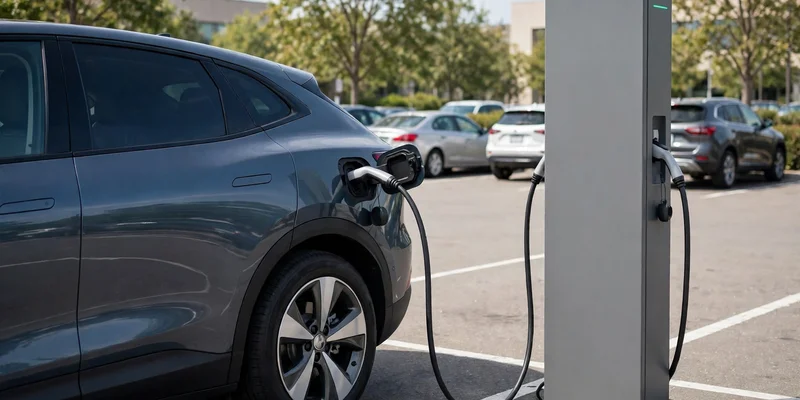
Electric cars under $30000 go 149 to 350 miles on a charge, based on the model and battery size. The new 2026 Leaf reaches up to 303 miles, while a used Bolt EUV gives 259 miles and an older Leaf gives 149 to 212 miles.
- New 2026 Leaf: up to 303 miles. The base trim gives less, but even the base car clears 250 miles. That is enough for a 100 mile round trip commute with room to spare.
- Used Bolt EUV: 259 miles. It charges at up to 55 kW on DC fast charging, so a 10 to 80 percent charge takes about 60 minutes. Cold weather cuts range on every EV, so read whether electric cars lose range in winter and how long electric car batteries last before you buy.
A real example from a winter commute
A nurse in Minneapolis drives a 2023 Kona Electric 45 miles each way.
How much does it cost per month to own an EV under $30000?
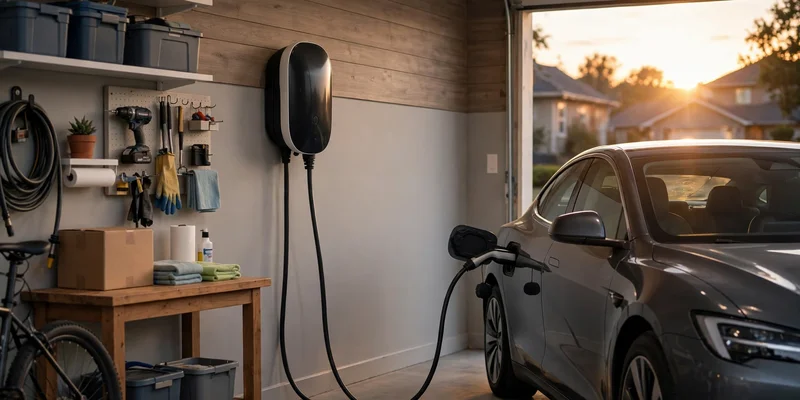
Owning an EV under $30000 costs about $40 to $70 per month for home charging, plus insurance and tires. A gas car that drives the same 1,000 miles per month burns about $130 to $160 in fuel, so the EV saves $70 to $100 a month on energy alone.
Home charging is where the savings live. Our breakdown of how much it costs to charge an electric car at home per month shows the math by state and rate plan.
- Charging: $40 to $70 a month at home. A 1,000 mile month needs about 300 kWh. Public fast charging costs 2 to 3 times more, so home charging is the key to the savings, and you can read how long it takes to charge an electric car at home to plan your routine.
- Maintenance: about $20 a month on average. EVs have no oil changes, no spark plugs, and fewer moving parts. Our electric vs gas car cost per month comparison puts the full monthly picture side by side, and the EV wins for drivers who charge at home.
A real example from a monthly budget
A teacher in Austin, Texas, drives a used Bolt EUV 1,100 miles a month.
What should you check before you buy a cheap electric car?
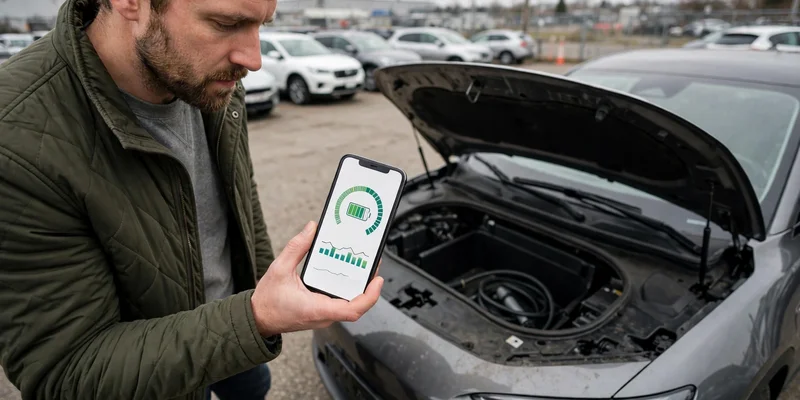
Check the battery health, the remaining battery warranty, the charging history, and the title before you buy any cheap electric car. A battery health score above 85 percent is a good sign, and a car with years left on its 8 year or 100,000 mile battery warranty is a safer buy.
- Battery health above 85 percent. A 2023 Bolt EUV with 90 percent health still gives about 233 miles of range. Below 80 percent, walk away unless the price drops by $3,000 or more.
- Title, recalls, and a pre-purchase inspection. Run the VIN for open recalls and accident history, and pay $150 to $250 for an EV-savvy inspection. If you have no garage, read how to charge an electric car at home without a garage before you sign, so you know your charging plan works.
A real example from a skipped inspection
A buyer in Miami bought a 2021 Leaf for $14,000 without a battery check.
Is buying an electric car under $30000 worth it in 2026?

Yes, buying an electric car under $30000 is worth it in 2026 if you charge at home and drive under 200 miles a day. The savings on fuel and maintenance are real, and used EVs now give you 250 miles of range for under $25,000.
- Buy if you charge at home and drive under 200 miles a day. A used Bolt EUV at $20,000 with 259 miles of range is the sweet spot for most buyers in 2026.
- Wait if you need 300 miles of range in winter or tow a trailer. Cheap EVs are not built for that job yet. Save for a longer-range model, or keep your gas car for one more year while prices fall. If you are new to EVs, learn what an electric vehicle is and how it works before you decide.
A real example from a happy owner
A delivery driver in Nashville bought a 2023 Model 3 for $26,000 and drives 120 miles a day.
Frequently Asked Questions
What is the cheapest new electric car in 2026?
The cheapest new electric car in 2026 is the Nissan Leaf, which starts at $29,990. It comes with a 75 kWh battery and up to 303 miles of range on higher trims. No other new EV starts under $30,000 in 2026, since the $7,500 federal tax credit ended on 30 September 2025.
Are used electric cars under $30000 a good buy?
Yes, used electric cars under $30000 can be a great buy, since EVs lose value faster than gas cars in the first 3 years. A 2023 Chevy Bolt EUV with 259 miles of range often sells for $18,000 to $22,000. Get a battery health report first, and check that the battery warranty still has years left.
How much does it cost to charge an electric car at home per month?
Home charging costs about $40 to $70 per month for 1,000 miles of driving at the US average rate of $0.16 per kWh. A Nissan Leaf uses about 30 kWh per 100 miles, so 1,000 miles needs 300 kWh. Time-of-use rates at night can cut that bill by 30 percent or more.
Do electric cars under $30000 lose range in winter?
Yes, electric cars under $30000 lose range in winter, just like pricier EVs. Cold air can cut range by 20 to 40 percent at 20 degrees Fahrenheit, since the battery works less well and the heater draws power. A Leaf rated at 212 miles may give about 150 miles on a cold day.
What is the best electric car under $30000 for commuting?
The best electric car under $30000 for commuting is the 2023 Chevy Bolt EUV, with 259 miles of range and a roomy hatchback body. Used models sell for $18,000 to $22,000, and the car charges fast enough for a daily drive. The 2026 Nissan Leaf is the best new choice at $29,990.
Can I still get a tax credit on an electric car in 2026?
No, the federal $7,500 credit for new EVs and the $4,000 credit for used EVs both ended for vehicles acquired after 30 September 2025. Some states still offer their own rebates or tax credits, and some utilities pay for home chargers. Check your state energy office for the latest offers before you buy.
How long do electric car batteries last?
Electric car batteries last 10 to 20 years in most cars, or about 100,000 to 200,000 miles before range drops below 70 percent. Federal rules require an 8 year or 100,000 mile battery warranty. A used EV with a battery health score above 85 percent still has plenty of life left.
Is a used Tesla Model 3 under $30000 worth it?
Yes, a used Tesla Model 3 under $30000 can be worth it, since 2021 to 2023 models sell for $22,000 to $28,000 with 260 to 350 miles of range. Check the battery health, the service history, and the tire wear before you buy. Out-of-warranty repairs can be pricey, so a pre-purchase inspection is smart.
Conclusion
So, in this article, we covered best electric cars under $30000 in detail. You now know the 2026 Nissan Leaf is the only new EV under the line at $29,990, and the best used picks are the Chevy Bolt EUV, the Tesla Model 3, and the Hyundai Kona Electric. You also know the real monthly charging cost, the winter range loss, and the battery checks that matter most. My advice is simple: buy the used Bolt EUV if you want the best value today, or the new Leaf if you want a warranty and the longest range. Check the battery health first, then enjoy the low running costs. A smart buy today can save you thousands over the next 5 years. Tell us which one you would pick in the comments below.