How long do electric car batteries last? Most last 10 to 20 years and 100,000 to 200,000 miles, with slow capacity loss of about 1 to 2 percent per year. The federal warranty covers at least 8 years or 100,000 miles. This guide covers real life, mileage, warning signs, replacement costs in 2026, and the daily habits that keep your battery healthy for years.
You are thinking about buying an electric car, and one question keeps coming up. How long do electric car batteries last before you face a huge repair bill? It is a fair worry, since the battery is the most costly part of the car, and a new pack can cost as much as a used car. The good news is that most packs outlast the car around them, and only a small share ever need a full swap. Here you will learn the typical life in years and miles, what the warranty really covers, the habits that wear a battery down fast, and the signs that tell you it is time to get it checked. Read on for the numbers that matter before you buy.
How long do electric car batteries last on average?
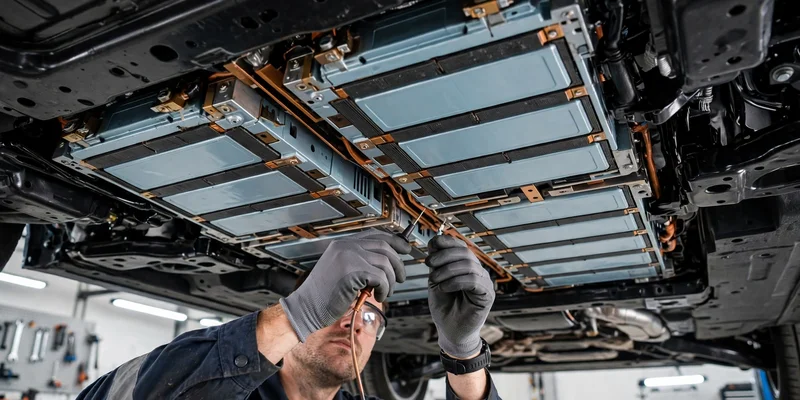
Most electric car batteries last 10 to 20 years in normal US driving, per makers, fleet data, and owner reports in 2026.
- A typical pack keeps about 80 percent of its capacity after 10 years. The loss is slow, about 1 to 2 percent per year. A car that went 250 miles new may go about 200 miles after a decade.
- Newer packs last longer than early ones. A 2013 Nissan Leaf lost range much faster than a 2024 Tesla Model 3. Better cooling and smarter software have cut the yearly loss to near 1 percent.
See our guide to what is an electric vehicle to learn how the battery, motor, and charger work as one system.
How many miles can an electric car battery last before it needs replacing?
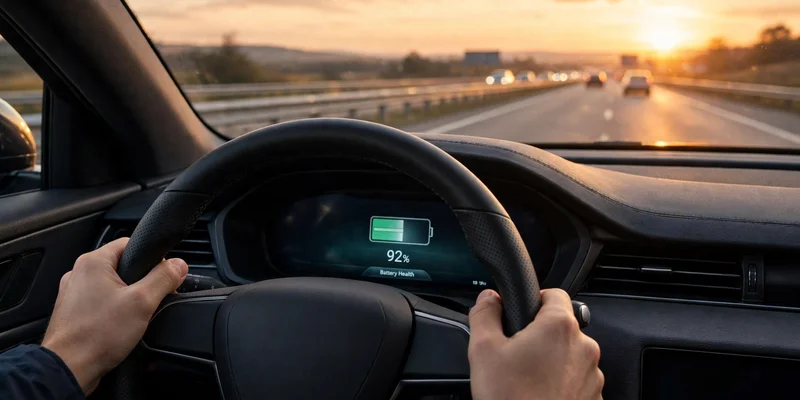
Most electric car batteries last 100,000 to 200,000 miles. Many go past 200,000 miles and still hold enough charge for daily driving.
- 100,000 miles is the low end, not the end of life. At 100,000 miles, most packs still hold 85 to 90 percent of their first capacity. The car just goes a bit less far on a full charge.
- 200,000 miles is common for cars charged at home most nights. Home charging is gentler than fast charging. A 2019 Tesla Model 3 in California passed 180,000 miles in 2026 and still held about 85 percent of its range.
Miles vs years: which matters more?
Years matter as much as miles. A low mileage car that sat in hot sun for years can lose capacity too.
What makes an electric car battery wear out faster?
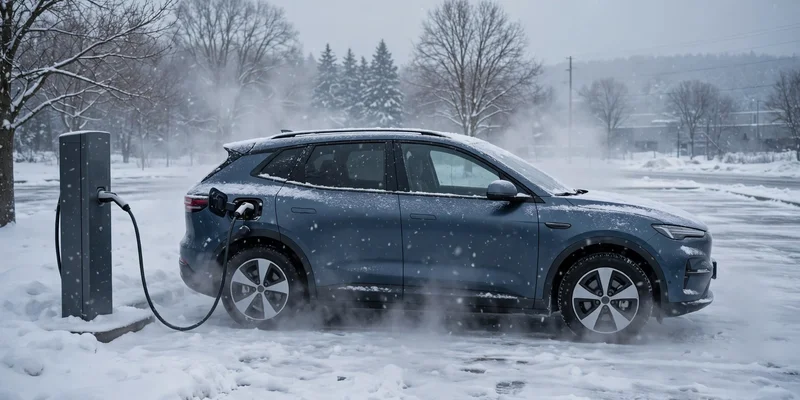
Heat, frequent fast charging, and charging to 100 percent every day wear an electric car battery out fastest. Cold cuts range for a day, but heat does lasting harm.
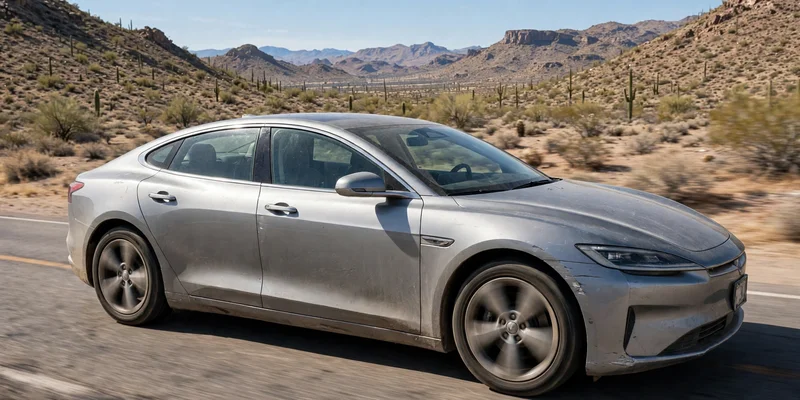
- Heat is the top killer of battery life. A pack that spends summers in Phoenix at 100 degrees loses capacity faster than the same pack in Seattle.
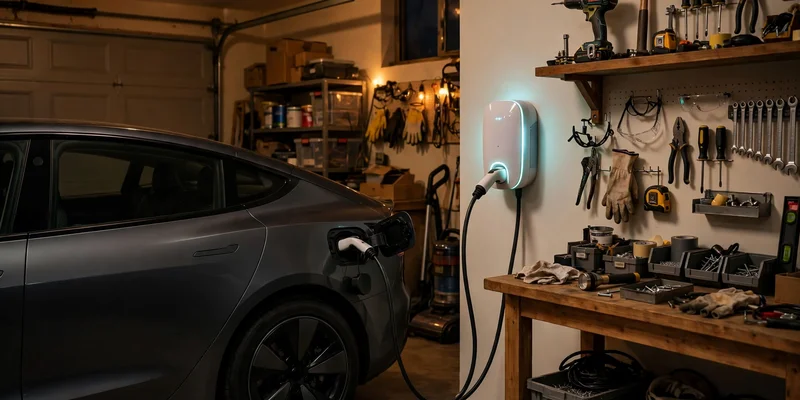
- Daily DC fast charging adds wear over time. A fast charge can add 150 to 200 miles in 30 minutes, but it heats the cells. Use it for road trips, and charge at home for daily driving. See how to charge an electric car at home for the gentler Level 2 setup.
Cold cuts range 20 to 40 percent at 20 degrees, yet the loss comes back in spring. See electric cars losing range in winter.
How do you know when your electric car battery is failing?
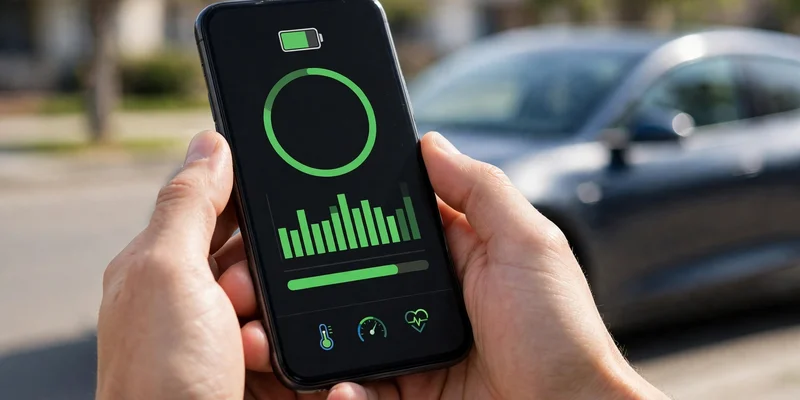
Your electric car battery is failing when range falls sharply, charging slows down a lot, or the car shows a battery warning. A drop of 1 to 2 percent per year is normal, but a sudden drop is not.
- Range drops by 20 to 30 percent in a short time. If your car went 240 miles last year and now goes 170 miles in the same weather, get the pack checked. A fast fall points to a weak cell.
- Charging takes much longer than it used to. A car that took 35 minutes at a fast charger and now takes 70 minutes may have a weak cell. The car slows down to protect it.
The 12 volt battery is a different part. A dead 12 volt battery can stop the car from starting even when the big pack is fine. See tell if your car battery is bad to sort out which battery is at fault.
How can you make your electric car battery last longer?
You can make your electric car battery last longer by charging to 80 percent for daily use, charging at home when you can, and keeping the car cool in summer.
- Set the daily charge limit to 80 percent. Most EVs let you set this in the car or the app. Charge to 100 percent only before a road trip.
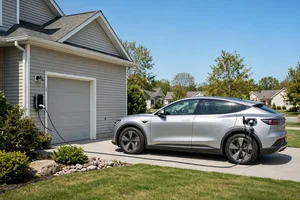
- Charge at home on Level 2 for daily driving. A 240 volt home charger adds about 25 to 30 miles per hour and treats the pack gently. A regular outlet charge adds only 3 to 4 miles per hour.
- Park in shade or a garage in hot weather. Heat speeds up cell aging. If you must park in sun, charge in the cool evening hours. A driver in Arizona who charged to 80 percent at home lost only 3 percent of range in two years.
Home charging is also the cheap way to run an EV. See how much it costs to charge an electric car at home per month to work out your cost.
How much does it cost to replace an electric car battery in 2026?
Replacing an electric car battery costs $5,000 to $20,000 in the US in 2026, with most jobs near $10,000 to $15,000. The price depends on the pack size and the model.
- Small packs cost $5,000 to $9,000 fitted. A Nissan Leaf or Chevy Bolt pack sits at the low end, since the pack is small. Labor adds $1,000 to $2,000 on top of the part.
- Large packs cost $12,000 to $20,000 fitted. A Tesla Model S, Ford F-150 Lightning, or Rivian R1T has a big pack, so the part alone can top $15,000.
The tax credit is gone, so price without it
Most owners never pay this bill, since the 8 year or 100,000 mile warranty covers a bad pack. The federal $7,500 EV tax credit ended for vehicles acquired after Sept 30, 2025, so do not count on it in 2026. See the electric car tax credit 2026 USA guide and the car loan interest deduction 2026 rules for buyers who can deduct up to $10,000 of loan interest per year.
Frequently Asked Questions
How long do electric car batteries last in years?
Most electric car batteries last 10 to 20 years in normal US driving. The pack loses about 1 to 2 percent of its capacity each year, so range falls slowly. Most cars are sold or traded before the battery wears out.
How many miles will an electric car battery last?
An electric car battery will last 100,000 to 200,000 miles for most drivers. Many packs pass 200,000 miles and still hold 80 percent or more of their first range. Home charging and mild weather help a pack reach the top end.
Do electric car batteries lose range in winter?
Yes, electric car batteries lose range in winter, often 20 to 40 percent at 20 degrees. Cold slows the cells and the heater draws power. The range comes back in spring, and your normal range returns once the weather warms up.
What is the warranty on an electric car battery?
The warranty on an electric car battery is at least 8 years or 100,000 miles under federal rules in the US. Many makers offer more, such as 10 years from Hyundai and Kia. It covers a failed pack or capacity below about 70 percent.
Can you replace just one bad cell in an electric car battery?
Yes, you can replace just one bad cell or module in some electric car batteries. A module fix costs $1,500 to $3,000 at a specialist shop, far less than a full pack. Not every model allows this, so ask a shop that works on your make first.
How long do electric car batteries last if you fast charge every day?
An electric car battery charged on DC fast chargers every day will wear out faster than one charged at home. Daily fast charging adds extra loss over a few years. Use fast charging for trips and charge at home to 80 percent.
Is it worth buying a used electric car with 100,000 miles?
Yes, it is worth buying a used electric car with 100,000 miles if the battery health is 85 percent or higher and the price is fair. Ask for a battery health report first. A car at 85 percent still gives you years of daily driving.
When should you replace an electric car battery?
You should replace an electric car battery when range falls below what you need each day, charging slows a lot, or the car shows a battery fault. A pack at 70 percent still works for short trips. Replace it only when it no longer fits your daily drive.
Conclusion
So, in this article, we covered how long do electric car batteries last in detail. Most packs last 10 to 20 years and 100,000 to 200,000 miles, with a slow loss of about 1 to 2 percent per year. You now know the 8 year warranty floor, the signs of a failing pack, the $5,000 to $20,000 replacement cost, and the habits that add years, like charging to 80 percent and charging at home. My advice is simple: buy on battery health, not just miles, and get a health report before you buy used. If this guide helped you, share it with a friend who is thinking about an EV, and read our home charging guide next to plan your setup.