
How to start a car rental business on Turo starts with a car that meets Turo rules, a host account, photos, and a price that fits your city. Most hosts earn $300 to $800 per month from one car, after Turo takes its share. A busy car in a big city can earn $1,000 or more per month.
If you want to know how to start a car rental business on Turo, start with a car that sits in your driveway most days and could pay for itself. Turo lets you rent that car to other drivers, and the platform handles booking, payment, and insurance. The work is real, though, since you must clean the car, meet guests, and handle damage claims. In this guide you will learn how much you can earn, what you need to start, how Turo host plans work, how to pick a car, how to list it, and what costs and risks to plan for in 2026. We will use real host income figures from Florida, Texas, and California, plus the current 70, 80, and 90 percent host plans, so you can judge if the business fits your car and your time.
How much money can you make renting a car on Turo?

Most hosts make $300 to $800 per month from one car on Turo, after Turo takes its share. A car that rents 12 to 15 days per month at $45 to $65 per day can gross $600 to $900, and the host keeps 70 to 90 percent of that, based on the plan.
Income depends on the car, the city, and how often it rents. A $45 per day sedan in a midsize city may rent 10 days per month and gross $450. A $90 per day SUV in Los Angeles may rent 18 days and gross $1,620. Hosts with three or four cars can earn $1,500 to $3,000 per month, but they also pay more for loans, insurance, and cleaning.
- One economy car: $300 to $600 per month. A 2019 Honda Civic at $45 per day, rented 12 days, grosses $540. On the 80 percent plan the host keeps $432 before costs.
- One SUV or truck: $600 to $1,200 per month. A 2021 Toyota RAV4 at $65 per day, rented 15 days, grosses $975. On the 80 percent plan the host keeps $780 before costs.
A real example from a host in Florida
David in Orlando rents a 2020 Toyota Camry at $52 per day. It rented 16 days in March 2026, grossed $832, and he kept $665 on the 80 percent plan. After a $310 loan and $90 cleaning, his profit was $265 that month.
What do you need to start a car rental business on Turo?

You need a car that meets Turo rules, a valid driver license, a clean driving record, car insurance, and a Turo host account. The car must be 12 years old or newer in most US cities, with fewer than 130,000 miles and a clean title.
Turo checks the car, the host, and the guest. You must be 21 or older to list a car in the US, and your license must be valid for at least one year. The car needs a current registration in your name, and it must pass a safety check. Turo also runs a background check on hosts, and it can reject a car with a salvage title or a major recall that is not fixed.
- A car that meets Turo rules. Most US cars must be 2014 or newer, with fewer than 130,000 miles, and no salvage title. A 2018 Honda Accord with 90,000 miles meets the rules, while a 2010 car does not.
- A valid license and a clean record. You need a US license, and Turo checks your driving record. A DUI in the past 7 years or more than 3 moving violations in 3 years can block your account.
A real example from a new host
Sara in Austin listed her 2021 Hyundai Elantra in January 2026. She took 20 photos, set the price at $48 per day, and got her first booking in 4 days. Her first month brought $410 in gross income from 9 rental days.
How do Turo host plans and earnings work?

Turo host plans let you keep 70, 80, or 90 percent of the trip price, based on the protection level you pick. The 90 percent plan keeps the most money, but it gives you the least protection, while the 70 percent plan gives you the most protection.
The plan you pick sets your share and your deductible if a guest damages the car. On the 90 percent plan, you keep 90 percent of the trip price, but you pay a $2,500 deductible for damage. On the 80 percent plan, you keep 80 percent, with a $750 deductible. On the 70 percent plan, you keep 70 percent, with a $250 deductible. Most new hosts pick the 80 percent plan, since it balances income and risk.
- 90 percent plan: keep 90 percent, $2,500 deductible. A $500 trip pays you $450, but a $1,000 damage claim costs you $2,500 out of pocket first. This plan suits hosts with a cheap car and cash in reserve.
- 80 percent plan: keep 80 percent, $750 deductible. A $500 trip pays you $400, and a $1,000 damage claim costs you $750. Most hosts pick this plan, since it cuts risk without cutting income too much.
A real example from a damage claim
James in Denver picked the 80 percent plan for his 2022 Subaru Outback. A guest scratched the bumper, and the repair cost $900. James paid the $750 deductible, and Turo paid the $150 left. On the 90 percent plan he would have paid the full $900.
How do you pick the right car for Turo?
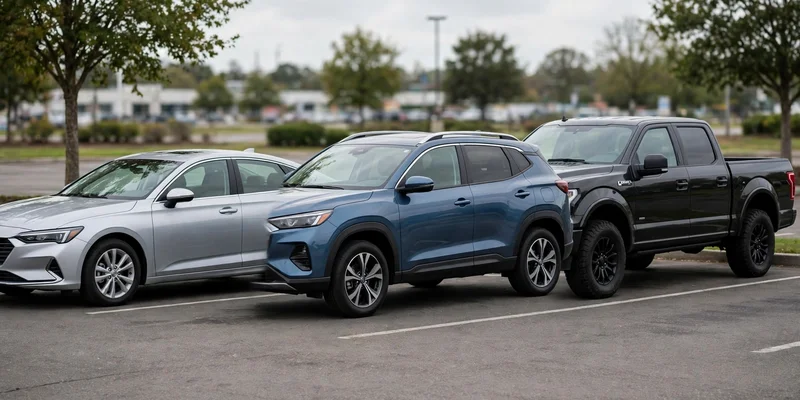
Pick a car for Turo that rents often, costs little to run, and holds its value. Economy sedans, small SUVs, and trucks rent best in most US cities, while rare or costly cars rent less often and cost more to fix.
The best Turo cars are common, reliable, and cheap to insure. A Honda Civic, Toyota Corolla, or Toyota RAV4 rents well, since guests know the car and trust it. A luxury car can earn more per day, but it costs more to buy, insure, and repair, and it sits empty more days. A cheap car with a high loan payment is the worst pick, since the loan eats the income.
- Economy sedans: $40 to $55 per day. A 2019 Honda Civic or Toyota Corolla rents 12 to 15 days per month in most cities. The loan is low, and parts are cheap.
- Small SUVs: $55 to $75 per day. A 2021 Toyota RAV4 or Honda CR-V rents well for families and trips. It earns $10 to $20 more per day than a sedan, with a similar loan.
A real example from a car pick
Maria in Phoenix bought a 2020 Toyota RAV4 for $24,000 to rent on Turo. It rents 17 days per month at $68 per day, grosses $1,156, and she keeps $925 on the 80 percent plan. Her loan is $380, so the car pays for itself.
How do you list and manage a car on Turo?

You list a car on Turo by adding photos, a price, a pickup location, and your rules, then you answer guest messages fast and keep the car clean. Good photos and fast replies lift your booking rate more than a low price does.
Start with 20 to 30 clear photos in daylight, showing the front, back, sides, seats, dash, and trunk. Write a short note about the car, such as the year, miles per gallon, and features like Apple CarPlay. Set a price near the local average for your car, then set your pickup hours and your rules, such as no smoking and no pets. A host who replies in under 30 minutes gets more bookings than a host who replies in 5 hours.
- Take 20 to 30 photos in daylight. A car with bright, clear photos gets 30 percent more views than a car with dark photos. Show the seats, the dash, and the trunk, not just the outside.
- Price near the local average first. A Civic at $45 per day in Dallas rents faster than the same car at $60. You can raise the price by $5 after you get 10 trips and 5 star reviews.
A real example from a listing fix
Kevin in Nashville listed his 2019 Mazda CX-5 with 6 dark photos and got 2 bookings in a month. He retook 25 photos in daylight, added a note about the car, and got 11 bookings the next month at the same price.
What costs and risks should you plan for?
Plan for loan, insurance, cleaning, maintenance, and damage costs on Turo, plus the risk of a guest who returns the car late or damaged. A host with one car should budget $500 to $800 per month in costs, before profit.
The loan is the largest cost, at $300 to $500 per month for most cars. Insurance adds $100 to $180 per month, since you need a policy that covers rental use. Cleaning costs $25 to $40 per trip, and maintenance costs $50 to $80 per month for oil, tires, and brakes. A damage claim can cost $250 to $2,500, based on your plan. You can learn how repair shops price their work in our guide to auto repair shop profit margin, and you can compare other car businesses, such as how much it costs to start a car wash business.
- Loan and insurance: $400 to $680 per month. A $25,000 car with a $350 loan and $150 insurance costs $500 per month before you earn a dollar. A cheap car with no loan is the safest start.
- Know the car business before you scale. Flipping cars can teach you how to buy cheap, so read how to start a car flipping business and how much money you can make flipping cars. A detailing side job can also cut cleaning costs, so read how to start a car detailing business from home and how to start a mobile car detailing business. Check the car detailing business profit margin and how car dealerships make money on used cars to see how dealers price used cars.
A real example from a costly month
Lisa in Atlanta earned $720 gross in June 2026, but she paid a $340 loan, $140 insurance, $150 cleaning, and a $250 deductible for a scratched door. Her profit that month was minus $160, so she raised her price and switched to the 70 percent plan.
Frequently Asked Questions
How much money can you make on Turo per month?
Most hosts make $300 to $800 per month from one car on Turo, after Turo takes its share. A car that rents 12 to 15 days at $45 to $65 per day grosses $600 to $900. Profit is less after loan, insurance, and cleaning costs.
What cars are best for Turo?
The best cars for Turo are economy sedans, small SUVs, and trucks, such as a Honda Civic, Toyota RAV4, or Ford F-150. They rent often, cost little to run, and hold value. Luxury cars earn more per day but sit empty more days and cost more to fix.
How old can a car be on Turo?
A car on Turo must be 12 years old or newer in most US cities, with fewer than 130,000 miles and a clean title. A 2014 or newer car meets the rule in 2026, while a car with a salvage title does not. Some cities have stricter age rules.
How much does Turo take from hosts?
Turo takes 10, 20, or 30 percent from hosts, based on the plan you pick. The 90 percent plan keeps 90 percent with a $2,500 deductible, the 80 percent plan keeps 80 percent with a $750 deductible, and the 70 percent plan keeps 70 percent with a $250 deductible.
Do you need special insurance for Turo?
You need your own car insurance plus Turo protection, since Turo does not replace your policy. Some personal policies exclude rental use, so call your insurer before you list. A policy that covers rental use can cost $20 to $40 more per month.
Can you rent a car on Turo with a loan?
Yes, you can rent a car on Turo with a loan, but you must tell your lender and your insurer. Some loan terms ban rental use, so check your loan papers first. A car with no loan is the safest start, since the loan eats most of the income.
How long does it take to get your first Turo booking?
Most hosts get their first Turo booking in 3 to 10 days, if the photos are clear and the price fits the local market. A car with 20 bright photos and a fast reply time books faster. A high price or dark photos can delay the first booking for weeks.
Is starting a car rental business on Turo worth it in 2026?
Yes, starting a car rental business on Turo is worth it in 2026 if you own a cheap, reliable car with no loan or a low loan. A host with one car can earn $300 to $800 per month gross, but profit is thin after costs. Scale only after your first car earns a profit for 3 months.
Conclusion
So, in this article, we covered how to start a car rental business on Turo in detail. You now know most hosts earn $300 to $800 per month from one car, and the 80 percent plan with a $750 deductible fits most new hosts. You also know what you need to start, how to pick a car, how to list it with clear photos and fast replies, and what costs and risks to plan for. My advice is simple: start with one cheap, reliable car you already own, pick the 80 percent plan, and track your profit for three months before you buy a second car. If the first car earns a profit, scale up slowly. List your car this week, and share your first month results in the comments below.