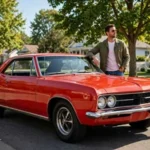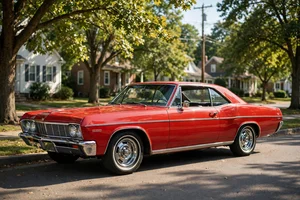
The best classic muscle cars for beginners are the 1965 to 1973 Ford Mustang, the 1967 to 1969 Chevrolet Camaro, the 1968 to 1972 Chevrolet Chevelle, the 1964 to 1972 Pontiac GTO, and the 1968 to 1970 Dodge Charger. These cars have strong parts support, simple V8 engines, and large owner clubs. Most good drivers start at $25,000 to $45,000 in 2026.
A first muscle car should be fun, not a full time project. The right car starts every time, stops straight, and has parts you can buy this week, not next year. In this guide you will learn the best classic muscle cars for beginners, what each one costs in 2026, what it costs to own, what to check before you buy, which cars to avoid, and how to enjoy your first V8 without regret. A good first muscle car also needs a budget for insurance, fuel, and yearly service, since a cheap buy price can hide high running costs that catch new owners by surprise in the first year. You will also learn which models hold value best, so your first car can be fun to drive and a smart buy at the same time.
What makes a classic muscle car good for beginners?
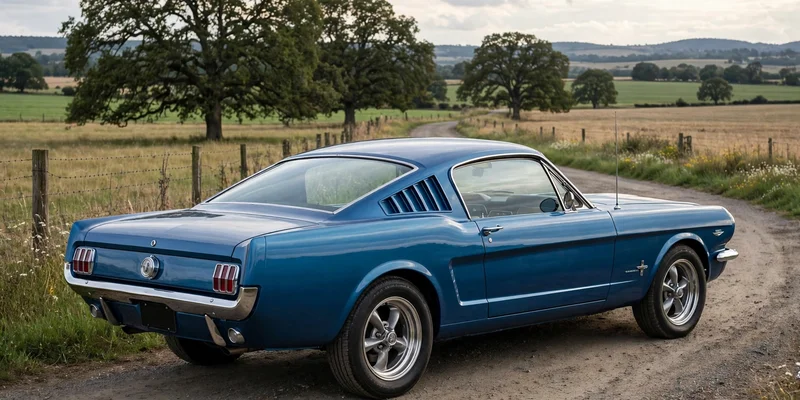
A classic muscle car is good for beginners when it has a simple V8 engine, cheap and easy parts, strong club support, and a price that leaves room for repairs.
Parts support matters more than horsepower. Our guide to how to buy a classic car covers the same first buy steps for any vintage car.
- Simple V8: small block beats big block for a first car. A 289 or 302 cubic inch Ford V8 and a 350 cubic inch Chevrolet V8 are easy to fix and cheap to feed. A 1967 Mustang with a 289 V8 costs less to run than a 427 big block car.
- Parts: in stock this week, not next year. Mustang and Camaro parts fill whole catalogs, from brakes to trim. A Chevelle owner in Ohio can order a brake kit on Monday and fit it on Saturday.
A real example from a first Mustang in Ohio
Dan in Columbus bought a 1966 Ford Mustang coupe with a 289 V8 and an automatic for $28,000.
Which classic muscle cars are most affordable in 2026?
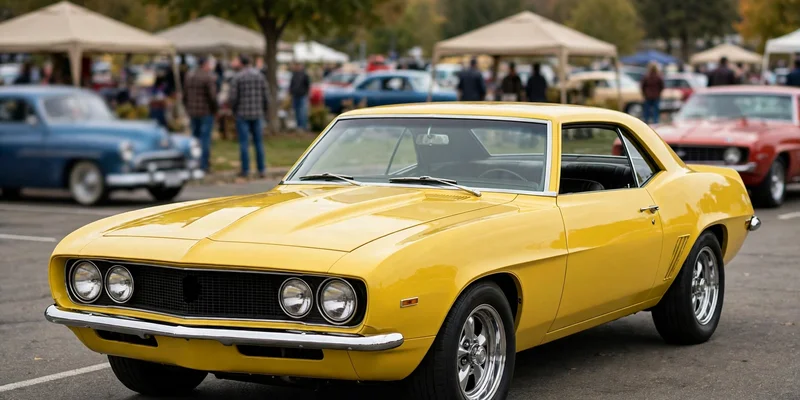
The most affordable classic muscle cars in 2026 are the 1965 to 1973 Ford Mustang coupe at $25,000 to $40,000, the 1967 to 1969 Chevrolet Camaro coupe at $30,000 to $45,000, and the 1968 to 1972 Chevrolet Chevelle Malibu at $28,000 to $42,000.
Price depends on body style, engine, and condition. Check the best classic cars under $10,000 list too, since some non muscle classics cost less and teach the same skills. For a full price check, read how to value a classic car before you make an offer.
- Ford Mustang 1965 to 1973: $25,000 to $40,000. A 1966 coupe with a 289 V8 and an automatic sells near $28,000 in driver condition. A 1969 fastback with a 351 V8 can reach $55,000, so a coupe is the smart first buy.
- Chevrolet Camaro 1967 to 1969: $30,000 to $45,000. A 1968 coupe with a 327 V8 sells near $32,000 in driver condition. A 1969 Z/28 can reach $80,000, so skip the rare trims for your first car.
A real example from a Camaro buy in Florida
Lisa in Tampa bought a 1968 Chevrolet Camaro coupe with a 327 V8 for $31,500 in 2026.
How much does it cost to own a classic muscle car?
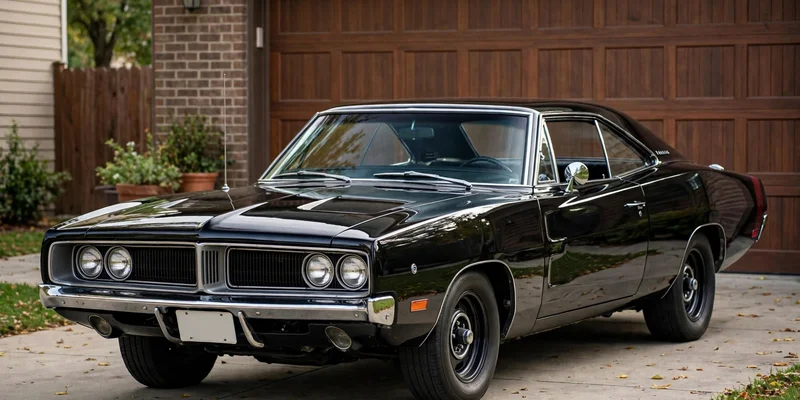
It costs $2,000 to $4,500 a year to own a classic muscle car in the US, with insurance at $400 to $900, fuel at $800 to $1,500, and maintenance at $500 to $1,500 for a car driven 3,000 miles a year.
Insurance is cheap when you use agreed value classic cover with a mileage limit near 5,000 miles a year. If you plan to restore a car, the cheapest classic cars to restore list shows which cars keep that bill low.
- Insurance: $400 to $900 a year. Agreed value cover for a $30,000 Mustang costs about $500 a year with Hagerty or Grundy in most states. A daily driver policy can cost $1,200, so classic cover saves real money.
- Fuel: $800 to $1,500 a year. A car driven 3,000 miles at 15 miles per gallon uses 200 gallons. At $3.50 per gallon for premium, that costs $700, and weekend trips can push it to $1,200.
A real example from a yearly budget in Michigan
Tom in Detroit owns a 1969 Pontiac GTO and drives it 2,500 miles a year.
What should you check before buying your first muscle car?
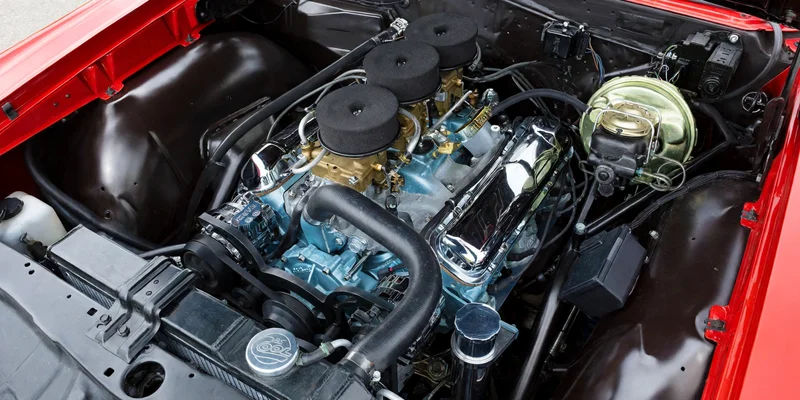
Before buying your first muscle car, check the frame and floor for rust, match the engine and VIN numbers, test the brakes and steering, and take a 30 minute test drive.
Rust is the main deal breaker, since a rusty frame can cost $5,000 to $10,000 to fix. Matching numbers classic car explains why the engine number matters for value, and a non matching engine can cut value by 20 percent.
- Rust: check the frame, floors, and trunk first. A 1967 Mustang in New York looked clean on top, but the floors were soft and the frame rails were rusted. The repair quote was $7,500, and the buyer walked away.
- Engine and VIN: check the numbers match. A matching numbers car holds value better, while a swapped engine is fine for a driver if the price reflects it. A 1968 Camaro with a non matching 350 V8 sold for $8,000 less than a matching car.
A real example from an inspection in New York
Anna in Buffalo paid $200 for an inspection on a 1970 Dodge Charger listed at $38,000.
Which muscle cars should beginners avoid?
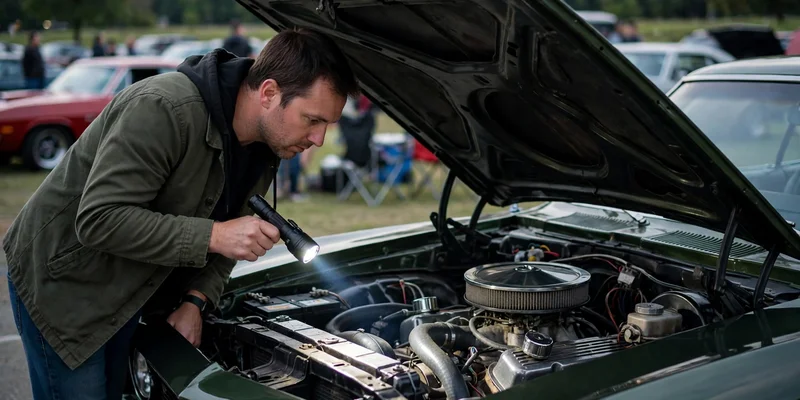
Beginners should avoid rare big block cars, rusty project cars, salvage title cars, and cars with no parts support.
Rare cars cost more to buy, more to insure, and more to fix, and one wrong part can take months to find. Auction cars can hide the same faults, so read buy a classic car at auction before you bid on a cheap lot. A classic is not an antique in every state, so check classic car vs antique car difference for registration and plate rules.
- Rare big block cars: $60,000 to $120,000 and costly to fix. A 1969 Dodge Charger R/T with a 440 V8 can reach $75,000, and a Hemi car can reach $120,000. A beginner who buys one pays supercar money for a car with 1960s brakes.
- Rusty project cars: $10,000 to buy, $20,000 to fix. A 1968 GTO with rusted floors and a dead engine looks cheap at $12,000, but a full restoration can reach $30,000. Buy a driver that runs, not a dream that sits.
A real example from a project trap in Arizona
Chris in Phoenix bought a 1967 Pontiac GTO project for $11,000 and planned $8,000 in work.
How do you start driving and enjoying a classic muscle car?
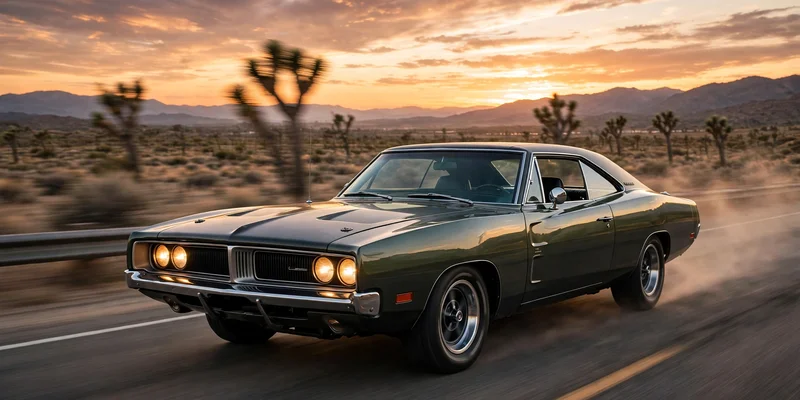
You start driving a classic muscle car by servicing it first, joining a local club, driving short trips to learn the car, and storing it right in winter.
Old cars need a different driving style. Winter storage matters too, so read how to store a classic car for winter before the cold months arrive.
- Service first: oil, brakes, tires, and cooling. A full service costs $400 to $800 and covers the parts that fail most. A 1966 Mustang owner in Ohio spent $650 on a service and then drove 2,000 miles with no issue.
- Join a club: free help and fun drives. Local clubs run cruise nights, car shows, and tech days. A new owner in Florida joined a Mustang club and found a mentor who taught him to tune the carburetor in one afternoon.
A real example from a first summer in Florida
Emma in Orlando bought a 1967 Ford Mustang coupe in March 2026 and spent April on short drives near home.
Frequently Asked Questions
What is the best classic muscle car for a beginner?
The best classic muscle car for a beginner is a 1965 to 1973 Ford Mustang coupe with a small block V8 and an automatic gearbox. It has cheap parts, strong club support, and a price near $25,000 to $40,000. A Camaro or Chevelle coupe is a close second for the same reasons.
How much does a beginner classic muscle car cost in 2026?
A beginner classic muscle car costs $25,000 to $45,000 in 2026 for a good driver quality coupe. A Mustang coupe starts near $25,000, a Camaro coupe near $30,000, and a Chevelle Malibu near $28,000. Fastbacks, convertibles, and big block cars cost $10,000 to $20,000 more.
Are classic muscle cars expensive to maintain?
Classic muscle cars cost $500 to $1,500 a year to maintain for a car driven 3,000 miles, plus $400 to $900 for insurance and $800 to $1,500 for fuel. Parts are cheap for Mustang, Camaro, and Chevelle models. A full restoration can cost $10,000 to $30,000, so buy a driver.
Is a classic muscle car a good first classic car?
Yes, a classic muscle car is a good first classic car when you pick a common model with a small block V8 and a clean, rust free body. The car is simple to fix, parts are easy to find, and clubs offer free help. Avoid rare big block cars and rusty project cars for your first buy.
Which classic muscle car is the cheapest to buy?
The cheapest classic muscle car to buy is often a 1965 to 1973 Ford Mustang coupe or a 1968 to 1972 Chevrolet Chevelle Malibu, at $25,000 to $30,000 for a driver. Later 1970s muscle cars can cost less, but they have less power and less collector demand than 1960s cars.
Should a beginner buy a manual or automatic muscle car?
A beginner should buy an automatic muscle car first, since it is easier to drive in traffic and lets you learn the car without clutch work. A manual is more fun on open roads, but it adds wear on the clutch and makes hill starts harder. You can switch to a manual for your second car.
How do I check if a classic muscle car has rust?
Check for rust on the frame rails, floors, trunk, rocker panels, and wheel arches with a flashlight and a magnet. A magnet that will not stick points to filler, and soft metal under your finger points to rust. Pay $200 for a pre purchase inspection by a classic car shop.
Can I drive a classic muscle car every day?
You can drive a classic muscle car every day, but most owners drive 2,000 to 5,000 miles a year and keep a modern car for daily use. A classic has no airbags, weak brakes by modern standards, and poor fuel economy. Daily use also raises wear and insurance costs fast.
Conclusion
So, in this article, we covered best classic muscle cars for beginners in detail. You now know the Mustang, Camaro, Chevelle, GTO, and Charger lead the list for first time buyers, and you know good driver coupes start at $25,000 to $45,000 in 2026. You also know yearly costs run $2,000 to $4,500, rust and a bad frame are the main deal breakers, and rare big block cars and project cars can trap a new buyer. Pick a simple small block coupe, pay for an inspection, service it first, and join a local club. Take your time, check the car in person, and buy the driver, not the dream. That first V8 will give you weekends of fun, new friends, and a car that turns heads every time you drive it.