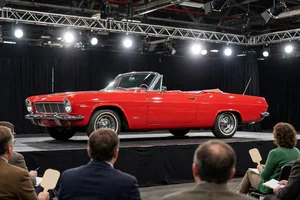
Learning how to buy a classic car at auction can save you money and help you find a car that never reaches a normal classified ad. This guide explains live and online auctions, buyer fees, inspection, bidding, payment and paperwork in plain steps. You will learn where to bid in 2026, how to set a firm limit, and how to avoid the costly mistakes that catch first time buyers.
You see a 1967 Ford Mustang cross the block, the crowd cheers, and the hammer falls at $42,000. It looks simple, yet the real price is higher, and the real work starts before you ever raise a hand. Learning how to buy a classic car at auction means you know the buyer premium, the inspection report, and the payment deadline before you bid. Many first time buyers lose money because they bid on excitement, not on facts. They skip the inspection, they forget the fees, and they pay for repairs they never saw coming. This guide walks you through each step in order, and it shows which auction sites suit a first time buyer, so you can bid with a clear limit and a clear plan.
How do classic car auctions work in the US?
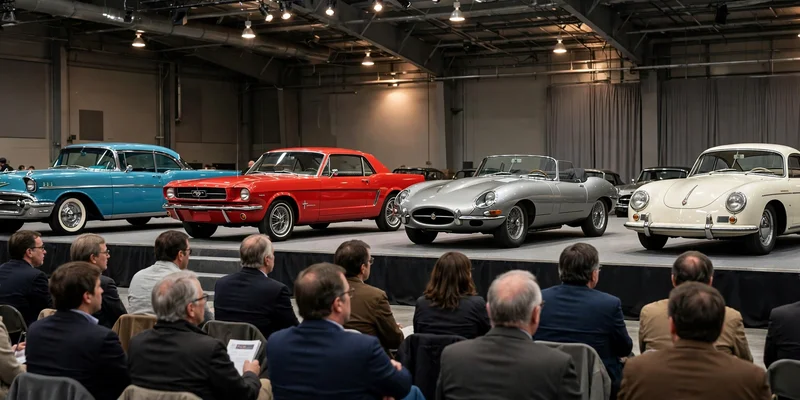
A classic car auction sells a car to the highest bidder, and the sale is final once the hammer falls.
At a live auction, cars cross a stage one at a time, and at an online auction, you bid on a website over several days.
- Live auctions move fast, and bids rise in set steps. A $30,000 car may rise by $1,000 at a time, and the sale can take less than 3 minutes.
- The hammer price is not the full price you pay. You also pay a buyer premium, taxes, and transport, and those costs can add 10 percent or more to your bill.
A real example
A 1969 Chevrolet Camaro sells for a $50,000 hammer price at a live sale in Florida. The buyer pays a 10 percent premium, which is $5,000, plus $800 for transport to Georgia. His real cost is $55,800 before tax.
Where can you buy a classic car at auction in 2026?
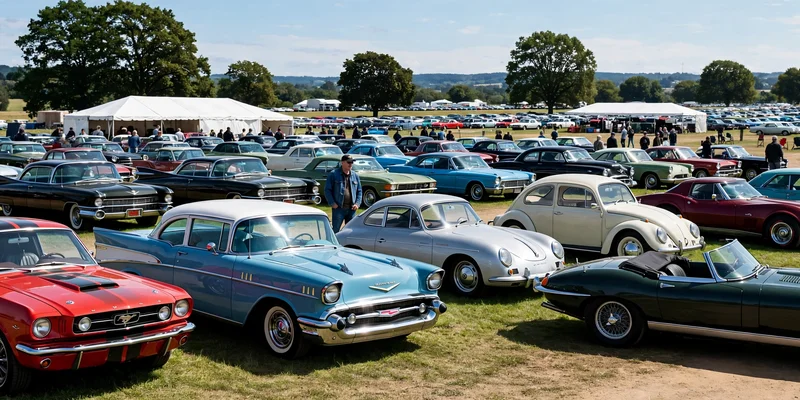
You can buy a classic car at auction in 2026 on Bring a Trailer and Hemmings online, or at live Mecum and Barrett-Jackson events.
- Bring a Trailer suits buyers who want detail and time. Listings include 100 or more photos and a comment thread where the seller must answer questions.
- Mecum suits buyers who want choice and live energy. A single Kissimmee event can list more than 4,000 cars over 10 days.
A real example
A buyer in Ohio wants a 1985 Porsche 911 for under $40,000. He watches 12 listings for 3 weeks and sees clean cars sell for $38,000 to $45,000. He wins one with full records for $39,500. If you are new to classic buying, read our guide on how to buy a classic car first. Our list of the best classic cars under $10000 can help you set a budget.
How much does it cost to buy a classic car at auction?
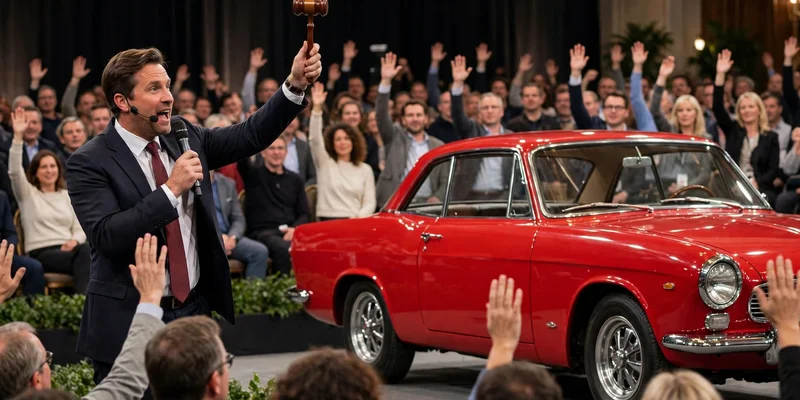
The true cost is the hammer price plus a buyer premium of 5 to 10 percent, plus tax, transport, and inspection, so a $40,000 win often costs $45,000.
- Work out the premium before you bid, not after. A $60,000 hammer price at 10 percent adds $6,000, while the same car on Bring a Trailer adds $3,000.
- Add sales tax and transport, and get quotes in writing. Tax can run from 0 percent in Oregon to more than 8 percent in California, and enclosed transport for 500 miles often costs $1,000 to $1,500.
A real example
A buyer wins a 1972 Corvette for $35,000 on Bring a Trailer. The fee is 5 percent, which is $1,750. Tax at 6 percent adds $2,205, and transport adds $900. His total is $40,255. The car loan interest deduction 2026 covers new US built cars, not a classic at auction.
How do you inspect a classic car before you bid?
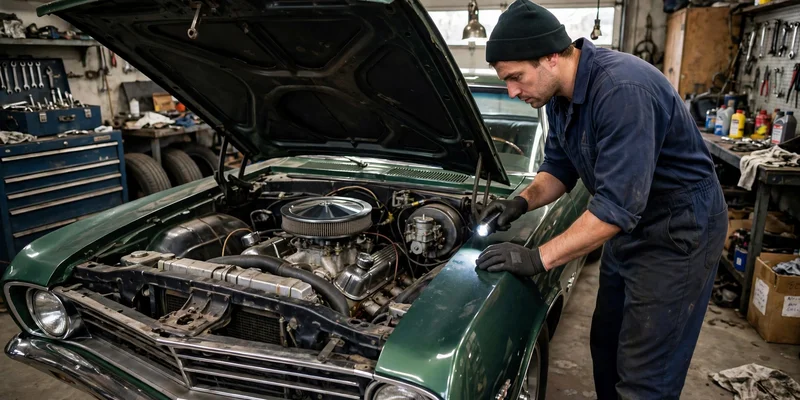
Inspect a classic car before you bid by checking the body, frame, engine, and papers in person or through a paid inspector.
- Check the frame and floors for rust first. Rust in the frame rails or floor pans can cost $5,000 to $15,000 to fix, and fresh paint often hides it.
- Check the engine, electrics, and fluids next. Look for oil leaks and smoke on start up, and learn how to tell if your alternator is bad before you go. Dark fluid points to wear, so check transmission fluid at home on an automatic car.
A real example
A buyer in Texas bids on a 1966 Mustang listed in California. He pays $450 for a local inspector, who finds rust under the rear floor and a leaking seal. The repair quote is $4,200, so the buyer lowers his top bid by $4,000 and still wins the car for $28,000.
What bidding strategy works best for a first time buyer?

The best bidding strategy for a first time buyer is to set a firm top price before the sale, bid late, and walk away when the price passes your limit.
Your top price must include the buyer premium, tax, and transport. With a $40,000 total budget and a 10 percent premium, your top hammer bid is about $33,000.
- Watch 3 or 4 auctions before you bid on one. You will learn how fast prices rise and how reserves work.
- Bid late, and never chase a car past your limit. Early bids only push the price up. Another car like it will come up soon, yet the money you overpay is gone for good.
A real example
A first time buyer sets a $25,000 hammer limit for a 1978 Trans Am. Bidding reaches $26,500, so he lets the car go. Two weeks later, a similar Trans Am sells for $23,500. He wins that one and saves $3,000 by waiting.
What paperwork and payment steps follow a winning bid?
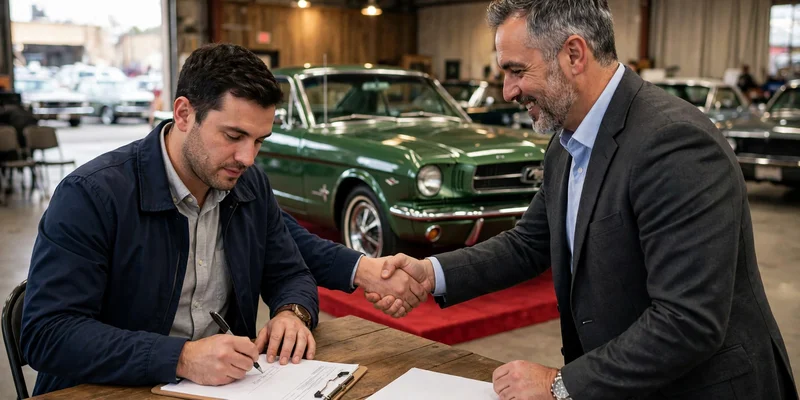
After a winning bid, you must pay a deposit within 24 hours, pay the full balance within 7 days, and collect a signed title and a bill of sale before you move the car.
- Get the title checked before you pay the balance. The title must show the seller as the owner, with no lien and no salvage brand unless the listing said so.
- Collect a signed bill of sale, and sort insurance and transport fast. The bill of sale should list the buyer, the seller, the date, the price, and the VIN. Call your insurer on the day you win.
A real example
A buyer wins a 1970 Dodge Charger for $55,000 in Arizona. He wires a $5,500 deposit that night and pays the balance by wire on day 3. Once it is home, he reads our guide to store a classic car for winter so the car stays safe. He also checks matching numbers classic car to confirm the engine matches, and our guide on the classic car vs antique car difference explains the label change.
Frequently Asked Questions
How do I buy a classic car at auction the first time?
Pick one auction site, watch 3 or 4 sales without bidding, and set a firm total budget that includes the buyer premium, tax, and transport. Get a pre purchase inspection, then bid late and stop at your limit. Pay by wire transfer.
What is the buyer premium at a classic car auction?
The buyer premium is the fee the auction house adds to the hammer price, and it runs from 5 to 10 percent in 2026. Bring a Trailer charges 5 percent, with a minimum of $250 and a maximum of $7,500. Mecum and Barrett-Jackson charge 10 percent at most live sales.
Can you inspect a car before you buy a classic car at auction?
Yes, you can inspect a car before you bid at most auctions. Live sales have preview days where you can walk the lot. Online sales offer photos, videos, and comment threads. If the car is far away, hire a local inspector for $300 to $600.
How much money do you need to buy a classic car at auction?
You need the hammer price plus 10 to 20 percent more for fees, tax, transport, and inspection. A $30,000 hammer price often costs $34,000 to $36,000 in total. A $50,000 hammer price often costs $56,000 to $60,000 in total. Set your total budget first.
Do classic car auctions have a reserve price?
Yes, many classic car auctions use a reserve price, which is the lowest price the seller will accept. If bidding stops below the reserve, the car does not sell. Some auctions list cars with no reserve, so the highest bid wins no matter how low it is. Check the listing first.
What payment methods do classic car auctions accept?
Most classic car auctions accept wire transfer and cashier check for the full price, and many take a credit card for the deposit only. Personal checks are rarely accepted for the balance. You must pay a deposit within 24 hours, and pay the full balance within 7 days.
Can you return a classic car bought at auction?
No, you cannot return a classic car bought at auction in most cases, since sales are final and sold as seen. The auction house and the seller give no warranty unless the listing states one in writing. That rule is why inspection matters so much. Get an inspection first.
Is it cheaper to buy at auction than from a dealer?
It can be cheaper to buy a classic car at auction, since you may find a car below dealer retail, yet the buyer premium, tax, and transport can close that gap fast. A dealer price often includes inspection, while an auction car is sold as seen. Compare the total cost, not the hammer price.
Conclusion
So, in this article, we covered how to buy a classic car at auction in detail. You now know how live and online auctions work, what Bring a Trailer, Mecum, Barrett-Jackson, and Hemmings each offer, and how buyer premiums, tax, and transport lift the real price above the hammer price. You also know why inspection comes first, why a firm limit beats excitement, and why title and payment steps matter in the days after a win. My advice is simple: watch a few sales, inspect the car, set your limit, and walk away when the price passes it. When you are ready, pick one car, bid with care, and enjoy the drive home. The right car at the right price is worth the wait, and a calm buyer often wins it.