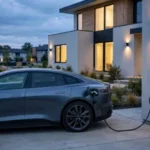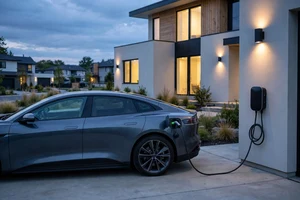
No, electric cars do not need oil changes. An EV has no gas engine, no engine oil, and no oil filter to replace. You will never book an oil change for a Tesla, a Hyundai Ioniq 5, or a Ford F-150 Lightning. You still need to care for other fluids, tires, brakes, and filters, and this guide covers each one with real service intervals and costs.
You just bought your first EV, and the service question pops up fast: do electric cars need oil changes? The short answer is no, and that one fact saves most EV owners hundreds of dollars a year. A gas car needs fresh oil every 5,000 to 7,500 miles because hot metal parts rub, burn fuel, and make soot. An electric motor spins with far fewer moving parts and no combustion, so there is nothing for oil to clean or cool in the same way. In this guide you will learn why EVs skip oil changes, what fluids they do use, how often each one needs service, and how EV upkeep costs compare with a gas car over five years in 2026.
Do electric cars need oil changes?
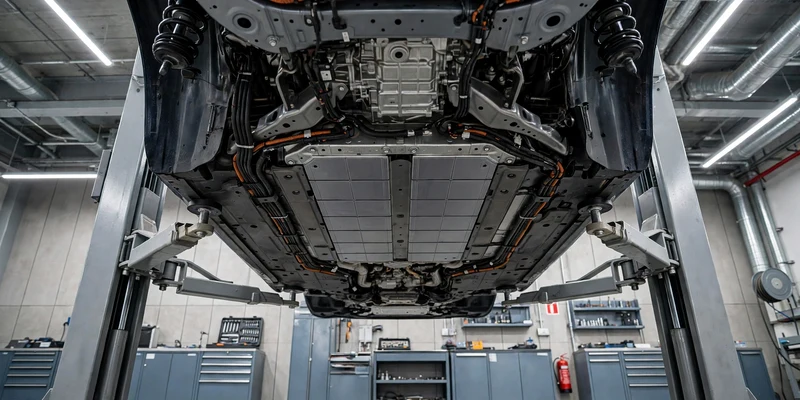
No. Electric cars do not need oil changes because they have no engine oil. There is no oil pan, no dipstick, and no oil filter under the hood.
- No engine means no engine oil. A gas engine burns fuel and makes heat and soot, so oil picks up dirt and breaks down fast. An EV motor has no fuel burn.
- No oil filter to change. Gas cars use a filter to trap dirt from the oil, but EVs have no oil circuit to filter. A shop that quotes an EV oil change is one to avoid.
A real example from a first time EV owner
Maria Lopez in Austin, Texas, traded a 2019 Honda Civic for a 2024 Tesla Model 3. Her Civic needed an oil change every 6,000 miles at $75, but in her first 20,000 miles in the Model 3 she paid $0 for oil.
Why do electric cars have no engine oil?

Electric cars have no engine oil because they have no gas engine. A battery sends power to an electric motor, and that motor has about 20 moving parts, while a gas engine has more than 2,000.
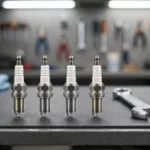
- No pistons, no valves, no exhaust. A gas engine fires fuel hundreds of times each minute, and each blast leaves heat and carbon behind. Gas cars still need spark plug replacement on a set schedule, while EVs need neither spark plugs nor oil.
- Cooling comes from a separate system. EV motors and batteries stay cool with a liquid coolant loop, but that coolant never touches burning fuel, so it stays clean far longer.
A real example from a mechanic in Ohio
Dan Miller, a service tech in Columbus, Ohio, lifts the car, shows new owners the flat battery pack, and points out the empty space where an engine would sit. Our guide on what an electric vehicle is explains the battery, motor, and charger in plain terms.
What fluids do electric cars need?
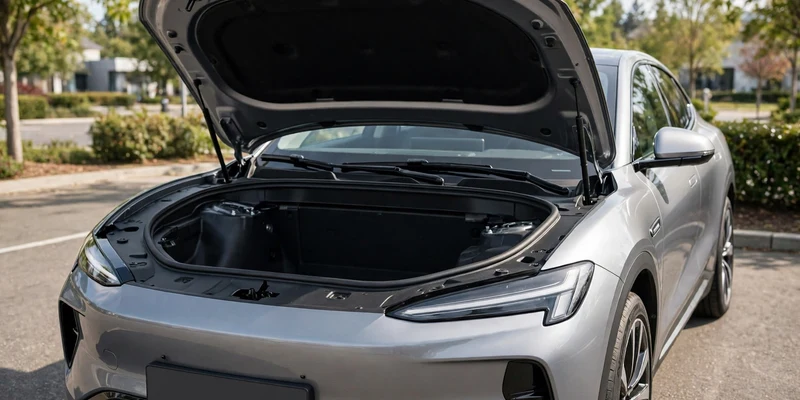
Electric cars need coolant, brake fluid, drive unit fluid, and windshield washer fluid. They do not need engine oil, transmission fluid in the gas car sense, or power steering fluid in most models.
- Coolant: check every 2 years, change every 4 to 5 years. Tesla lists coolant service near 100,000 miles or 4 years, while Hyundai and Kia list it near 60,000 miles. A change costs $150 to $250.
- Brake fluid: change every 2 years. Brake fluid pulls in water from the air, and wet fluid can make the pedal feel soft. EVs use their brakes less, but the fluid still ages. A change costs $100 to $150.
A real example from a winter driver in Minnesota
Sara Kim in Minneapolis drives a 2023 Hyundai Ioniq 5 through winters that hit 10 degrees below zero. She tops up washer fluid twice each winter. Cold also cuts range, as our guide on why electric cars lose range in winter explains.
How often do electric cars need service?
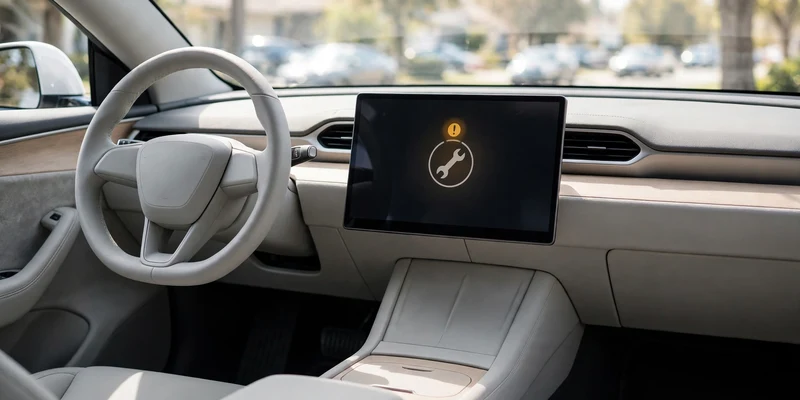
Most electric cars need a basic service visit every 12 months or 12,000 miles, with tire rotation every 6,000 to 10,000 miles. There is no 3,000 mile oil change visit, so the service calendar is far lighter than a gas car.
- Tire rotation: every 6,000 to 10,000 miles. EVs are heavy, and that weight wears tires faster than a gas car of the same size. A rotation costs $50 to $80.
- Cabin filter and 12V battery: check every 12 months. A clogged filter can leave a stale smell, while the small 12 volt battery runs the lights, locks, and computers. It costs $150 to $300 to replace every 3 to 5 years.
A real example from a high mileage driver in California
James Carter in San Diego drives a 2022 Chevrolet Bolt EUV. He rotates his tires every 7,500 miles. Most owners charge at home, so see how to charge an electric car at home, where a Level 1 plug works from a regular home outlet.
How much does EV maintenance cost compared to gas cars?
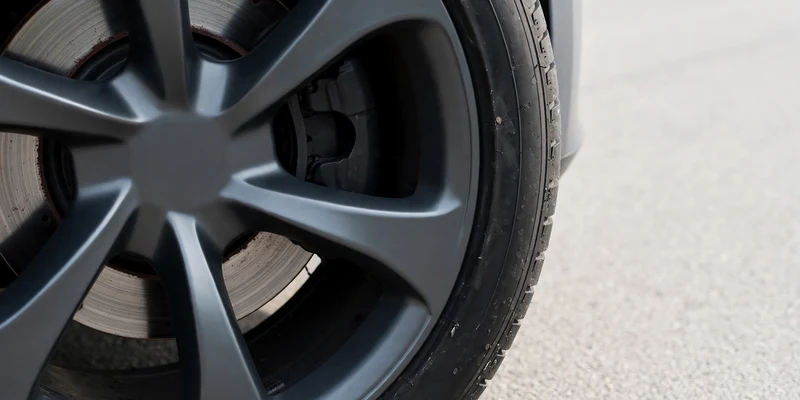
EV maintenance costs about half as much as gas car maintenance over five years. A typical EV costs $400 to $600 a year to maintain, while a similar gas car costs $800 to $1,100 a year.
- Oil changes alone save $300 to $500 a year. A gas car needs 2 oil changes a year at $50 to $100 each, plus a $20 filter each time. Over 5 years that is $1,500 to $2,500 saved on oil alone.
- Brakes last longer, but tires cost more. Regenerative braking slows the car, so EV brake pads often reach 100,000 miles, while a gas car may need new pads at 40,000 miles. EV tires wear faster, at $800 to $1,200 a set every 30,000 to 40,000 miles.
A real example from a family in Florida
The Patel family in Orlando owns a 2023 Kia EV6 and a 2022 Toyota RAV4. Over two years the RAV4 cost $1,850, while the EV6 cost $780. See how much it costs to charge an electric car at home per month. The $7,500 new and $4,000 used EV tax credit ended for vehicles acquired after 30 September 2025, and the home charger 30C credit ended on 30 June 2026.
What parts wear out on an electric car?
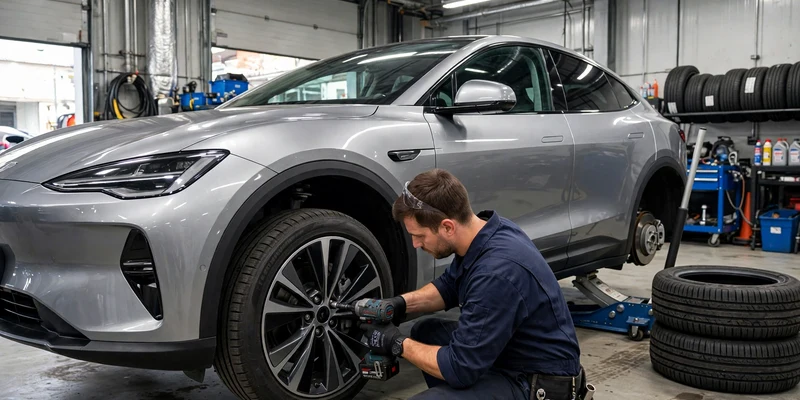
Tires wear out first on an electric car, followed by the cabin air filter, the 12V battery, and the wiper blades. The main battery pack and the motor last far longer than most owners keep the car.
- Tires: replace every 30,000 to 40,000 miles. Instant torque and heavy weight wear EV tires fast, so check tread depth every 6 months and rotate on schedule. A worn tire hurts range and grip.
- Cabin filter and 12V battery: replace on a yearly clock. A dirty filter cuts airflow, while a weak 12V battery can strand an EV even with a full main battery. A filter costs $20 to $40.
A real example from a Tesla owner in Nevada
Tom Reed in Las Vegas drives a 2021 Tesla Model Y with 118,000 miles on it. He has replaced tires twice and the 12V battery once, while his battery still shows 91 percent of its original range. Most new EVs ship with forward collision warning as standard, and for battery life see how long electric car batteries last.
Frequently Asked Questions
Do electric cars need oil changes?
No, electric cars do not need oil changes. EVs have no gas engine and no engine oil, so there is no oil to drain and no filter to swap. The motor uses sealed bearings and drive unit fluid that lasts near 100,000 miles. Service visits cover tires, filters, coolant, and brake fluid instead.
Do electric cars need oil changes at all, even after 100,000 miles?
No, electric cars never need an oil change, even after 100,000 miles. High mileage EVs still have no engine oil circuit. What changes at high mileage is the drive unit fluid check, the coolant change, and the 12V battery test. Those jobs cost far less.
What happens if I never service my electric car?
Skipping service causes other problems. Tires will wear unevenly, the cabin filter will clog, brake fluid will absorb water, and the 12V battery may fail without warning. A yearly check costs $100 to $200 and catches these issues before they turn into a costly repair.
Do hybrid cars need oil changes?
Yes, hybrid cars need oil changes because they still have a gas engine. A Toyota Prius or Honda Accord Hybrid burns fuel part of the time, so its engine needs fresh oil every 5,000 to 10,000 miles. Only a full battery electric car skips oil changes.
How much does EV maintenance cost per year?
EV maintenance costs about $400 to $600 per year for a typical driver covering 12,000 to 15,000 miles. That covers tire rotations, cabin filters, wiper blades, and a share of brake fluid and coolant service. Tires are the largest cost, at $800 to $1,200 per set.
Do electric cars need coolant changes?
Yes, most electric cars need a coolant change every 4 to 5 years or near 100,000 miles. Coolant keeps the battery and motor at a safe temperature, and it breaks down slowly over time. A coolant change costs $150 to $250 at a dealer.
Do electric cars need brake fluid changes?
Yes, electric cars need a brake fluid change every 2 years. Brake fluid absorbs water from the air, and wet fluid can make the pedal feel soft and cut stopping power. EVs use their brakes less, but the fluid still ages. A change costs $100 to $150 at most shops.
Do electric cars need transmission fluid?
No, electric cars do not need transmission fluid in the gas car sense. EVs have no multi gear transmission, only a single speed reduction gear in the drive unit. That gear uses a small amount of drive unit fluid, checked near 100,000 miles.
Conclusion
So, in this article, we covered do electric cars need oil changes in detail. The answer is no, and now you know why: an EV has no gas engine, no engine oil, and no oil filter, so there is no oil change to book. You also know what an EV does need, from coolant and brake fluid to tire rotations, cabin filters, and a 12V battery, and how those jobs cost about half as much as gas car upkeep over five years. My advice is simple: follow the yearly service schedule in your owner manual, rotate your tires on time, and keep the coolant and brake fluid fresh. That light routine will keep your EV quiet, quick, and cheap to run for years.