
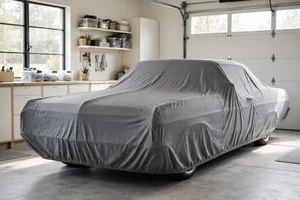
Learning how to store a classic car for winter protects your paint, engine, tires, and interior from cold, damp, and pests for months. This guide covers the right place to store it, the prep steps to do first, fuel and battery care, moisture control, and the spring checks that get you back on the road without a costly surprise.
Winter is hard on old cars, and a classic parked outside for three or four months can come back with flat spots on its tires, a dead battery, stale fuel, and rust you did not see coming. Here is the thing: most of that damage is easy to stop if you prep the car the right way before the first freeze. When you learn how to store a classic car for winter, you are really learning how to keep fuel fresh, keep damp air away from metal, and keep mice out of the wiring. This guide walks you through each step in order, with real US costs and simple checks you can do in your own garage. You do not need a pro shop to get it right, just a dry space, a few supplies, and one careful afternoon.
Why does a classic car need special winter storage?
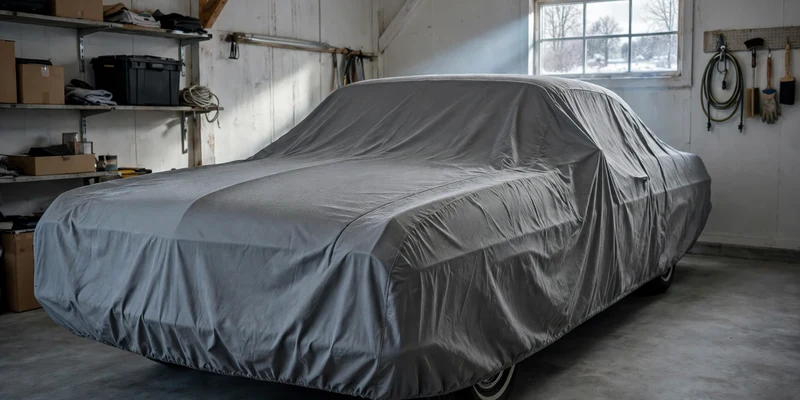
A classic car needs special winter storage because its older seals, carburetor, steel parts, and wiring cope badly with cold, damp, and long periods of sitting still.
Fuel goes stale in 30 to 60 days, and damp air rusts bare steel night after night. A car that sits for 90 days without prep can need a carburetor clean, a new battery, and fresh fluids in spring, at $500 to $1,500 at a US shop.
- Cold makes old parts shrink and crack. A 1967 Ford Mustang left in an unheated barn in Michigan can come back with cracked hoses and a weeping water pump.
- A matching numbers classic car can lose value from small storage damage. Rust on the floor pan or chewed wiring hurts originality, and buyers pay less for repairs a cover and a dry garage could have avoided.
Where is the best place to store a classic car for winter?
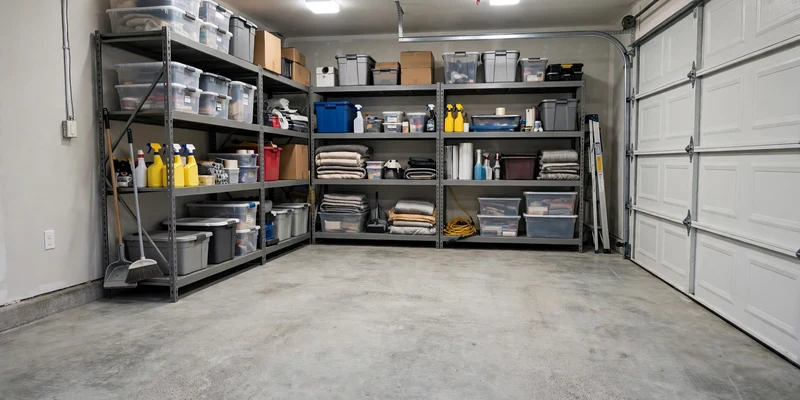
The best place is a dry, enclosed garage with a concrete floor, good airflow, and a temperature above freezing.
A heated garage kept at 50 to 60 degrees Fahrenheit is ideal, but an unheated dry garage works well too. Outdoor storage under a tarp is the worst choice, because trapped damp air causes rust and the tarp can rub paint.
| Storage option | Typical US cost per month |
|---|---|
| Your own garage | $0 |
| Rented storage unit, 10 by 20 feet | $100 to $250 |
| Climate controlled unit | $200 to $400 |
| Pro classic car storage | $250 to $600 |
- Pick a dry concrete floor over dirt or gravel. A dirt floor lets damp rise into the car all winter, so a 1972 Chevrolet Corvette parked on bare earth in Ohio can grow rust on its frame rails.
- Keep the car away from walls and windows, with at least 12 inches of space on each side for air to move. Ask what a pro shop charges first, and check how the auto repair shop profit margin shapes its add on fees.
How do you prepare a classic car for winter storage?
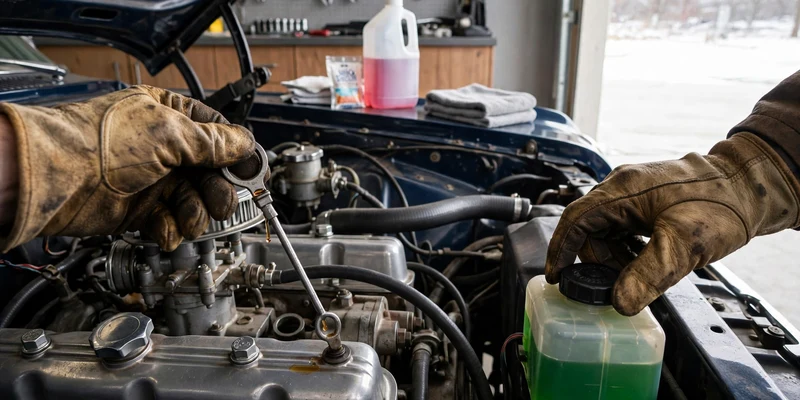
Wash the car, change the oil, top up the fluids, fill the tank, add fuel stabilizer, and drive it for 10 to 15 minutes so the treated fuel reaches the carburetor or injectors.
Prep takes about two hours. Dirt and road salt left on paint will etch clear coat over winter, and old oil holds acids that eat bearings while the car sits.
Wash and change the oil
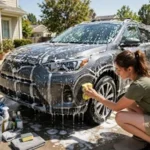
- Wash off salt and grime, then dry every seam by hand and add wax. A 1969 Dodge Charger washed in late November in Chicago still needs its door jambs and wheel wells dried, because trapped water there turns to rust.
- Change the oil and filter before storage, not after, and top up the fluids. Used oil holds acids that can pit bearings over 90 days, so fresh oil at $40 to $80 is cheap insurance, and if you enjoy this work, you can learn how to start a car detailing business from home and turn the same skills into paid work.
What should you do about the fuel, battery, and tires before storage?
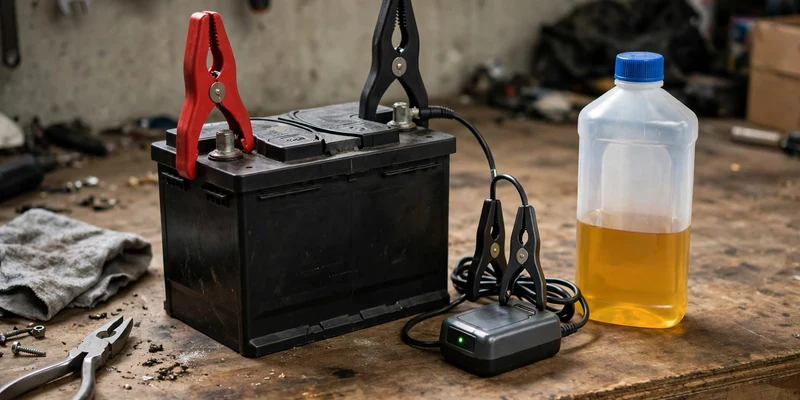
Fill the tank, add fuel stabilizer, connect a trickle charger or remove the battery, and inflate the tires 5 to 10 psi above normal.
These three parts cause most spring headaches, so plan each one on the same day you park the car. Classic 12 volt batteries need a maintainer, and EVs work a different way, so read how electric cars lose range in winter and how to charge an electric car at home first.
Fuel, battery, and tires
- Fill the tank to at least 90 percent and add stabilizer. A 15 gallon tank needs about 1 ounce of stabilizer per 2.5 gallons, so pour it in, then drive 10 to 15 minutes to mix it through.
- Hook up a smart trickle charger, also called a battery maintainer. A good maintainer costs $30 to $60, keeps the battery at full charge without overcharging, and stops the slow drain that kills a battery in 4 to 6 weeks.
- Inflate each tire 5 to 10 psi above the door sticker pressure. A tire at 32 psi can drop to 25 psi in cold air, and that soft tire will flat spot after 60 to 90 days.
How do you protect a classic car from moisture and pests?
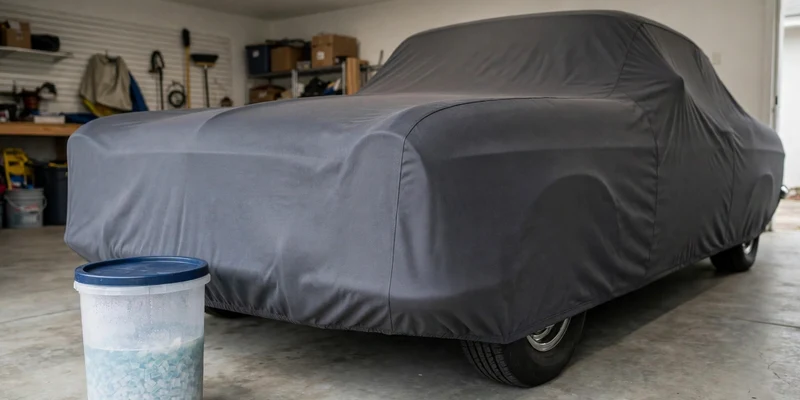
Use a breathable car cover, put moisture absorbers inside the car, seal entry points, and set traps around the garage to keep mice from nesting in the seats and wiring.
Damp and mice do more hidden damage than cold alone. Damp air rusts brake discs and floor pans, while mice chew wires and build nests in air filters. A $50 set of supplies now can save a $1,000 wiring repair in spring.
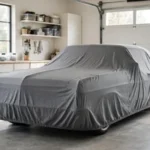
- Use a breathable indoor cover, never a plastic tarp, and put two moisture absorber tubs inside the car. A plastic tarp traps damp against the paint, and a 1970 Plymouth Barracuda under plastic can show paint blisters by spring, while each $8 to $15 tub pulls water from the air for 60 to 90 days.
- Block the tailpipe and air intake with steel wool, and set snap traps along the garage walls. Mice love a warm exhaust pipe as a nest site, so tape a bright note to the steering wheel to remind you to remove the block in spring.
What should you do when you take a classic car out of winter storage?
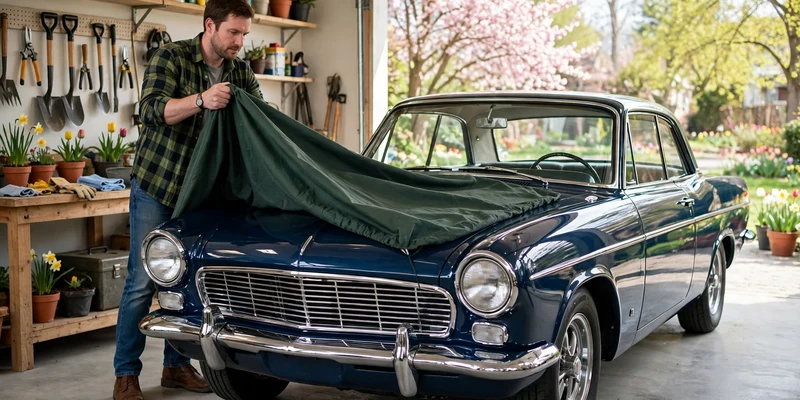
Remove the cover and plugs, check fluids, tires, brakes, and belts, reconnect the battery, start the car, and let it warm up fully before you drive it.
Spring wake up is a slow check, not a quick start. Rushing it can turn a small winter issue into engine damage, so walk around the car first before you turn the key.
Checks and first drive
- Look under the car and under the hood for nests, chewed wires, and leaks, and check oil, coolant, brake fluid, and tire pressure. A mouse nest in the air filter box of a 1966 Chevrolet Impala can block airflow, so pull the filter out first.
- Let the engine warm up for 5 to 10 minutes, then drive gently for 15 minutes. Keep revs low, test the brakes at low speed, and watch the gauges for heat or oil pressure warnings.
- Listen and feel on that first short drive. If you hear a click on turns, read why a car makes clicking noise when turning before you drive far, and if a warning light stays on, an Autel diagnostic tool can read the fault code in minutes. If your classic has an EV swap, first read what is an electric vehicle to learn how it differs from a gas engine.
Frequently Asked Questions
How long can you store a classic car for winter?
You can store a classic car for 3 to 6 months with the right prep, and many owners in the northern US store from November to April. Use fuel stabilizer, a battery maintainer, and a breathable cover, and check the car once a month.
Should you start a classic car during winter storage?
No, do not start it for a few minutes each week, because a short idle run builds moisture in the oil and exhaust without warming the car fully. Leave it parked until spring, or drive it for at least 20 minutes if you do start it.
How much does it cost to store a classic car for winter?
Home garage storage costs $50 to $150 for supplies like a cover, stabilizer, charger, and moisture absorbers. A rented unit costs $100 to $250 a month, and pro classic car storage costs $250 to $600 a month in most US cities.
Is it better to store a classic car with a full or empty fuel tank?
Store it with a full tank and fuel stabilizer, because a full tank leaves little air space for condensation to form. An empty or half empty tank can collect water that rusts the tank and clogs the fuel system in spring.
Do you need a heated garage to store a classic car for winter?
No, a heated garage is nice but not required if the garage is dry, enclosed, and free of leaks. Keep the car covered, use moisture absorbers inside the cabin, and keep the battery on a maintainer to handle cold nights safely.
How do you keep mice out of a classic car in winter?
Seal the tailpipe and air intake, remove food and paper from the cabin, and set snap traps along the garage walls. Check the traps every two weeks, and do not use poison near the car, since a dead mouse can hide inside a panel.
Should you put a classic car on jack stands for winter?
Jack stands help on storage longer than 3 months, because they take weight off the tires and stop flat spots. Place them under the frame, not the suspension, and keep the car level so fluids do not pool on one side.
What is the first thing to check when you take a classic car out of winter storage?
Check for nests, chewed wires, and fluid leaks first, then check oil, coolant, brake fluid, and tire pressure. Reconnect the battery, start the car, let it warm up fully, and test the brakes at low speed before a normal drive.
Conclusion
So, in this article, we covered how to store a classic car for winter in detail. You now know why a classic needs more care than a modern car, where to park it, and how to prep fuel, battery, and tires before the cold sets in. You also know how to fight damp and mice, and how to wake the car up in spring without causing damage. My advice is simple: pick your storage day before the first hard freeze, do the wash, oil change, and stabilizer steps in one afternoon, and check the car once a month through winter. That small effort protects your paint, engine, and value, and it means your first spring drive is fun, not a trip to the repair shop.


1 thought on “How to Store a Classic Car for Winter”
Pingback: Do Electric Cars Lose Range in Winter? US Guide