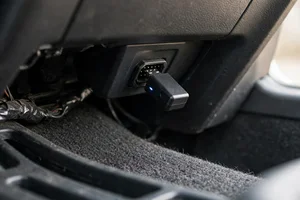
The best OBD2 scanner for home use is the BlueDriver Bluetooth Pro at about $100 for most drivers, with the Autel AutoLink AL319 at about $35 as the best budget pick. This guide compares the top 2026 models by price, features, and ease of use, so you can read codes, check emissions readiness, and clear a check engine light at home.
Your check engine light just came on, and the shop wants $120 just to read the code, which feels like a lot for a 5 minute job. That is the exact moment a home OBD2 scanner pays for itself, and the best OBD2 scanner for home use costs less than one shop visit. In this guide you will see the top 2026 scanners, from a $25 basic reader to a $300 pro-level tool, with real prices, honest pros and cons, and the features that matter for a home garage. You will also learn which scanner fits your car, your phone, and your skill level, so you buy once and buy right. By the end, you will know which scanner to order today.
What is the best OBD2 scanner for home use overall?
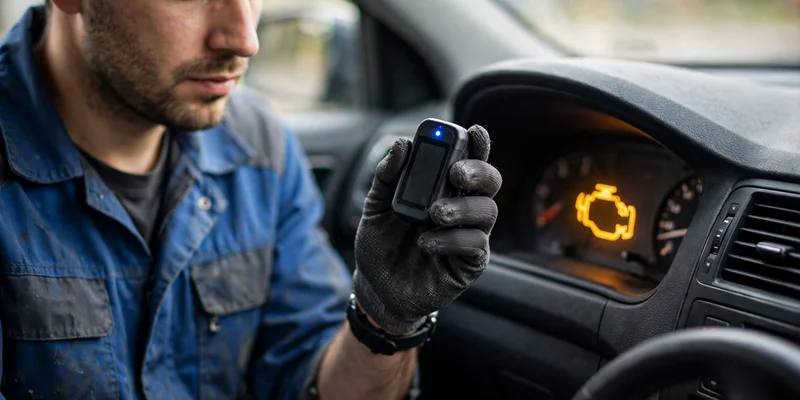
The best OBD2 scanner for home use overall is the BlueDriver Bluetooth Pro, at about $100. It pairs with your phone, reads codes in plain English, gives repair reports, and shows live data, all with free app updates.
- Price: about $100, with no subscription for core features. The sensor costs $99.95 in most US stores in 2026. The app is free, and code reading, live data, and repair reports cost nothing extra.
- Best for: most drivers who want one tool that does it all. If you own 2 cars or you like to fix small things yourself, BlueDriver covers engine, ABS, airbag, and transmission codes on most 1996 and newer cars. If you want the basics first, read what an OBD2 scanner is to see how the tool works before you buy.
A real example from a check engine light
A driver in Denver got a P0455 code, which points to a large evap leak.
What is the best budget OBD2 scanner under $50?
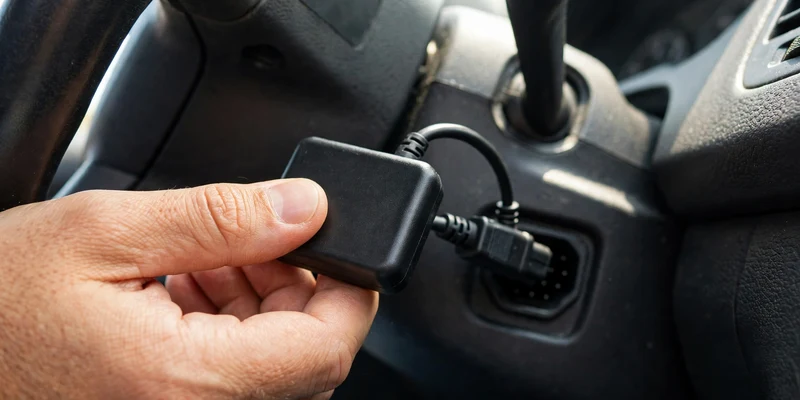
The best budget OBD2 scanner under $50 is the Autel AutoLink AL319, at about $35. It reads and clears engine codes, checks emissions readiness, and needs no phone or app to work.
- Autel AutoLink AL319: about $35. It reads codes, clears the light, and checks smog readiness in one tool. A college student in Austin used it to read a P0301 misfire code, then a shop confirmed a worn spark plug, and you can compare the signs with our guide on how often to replace spark plugs.
- Ancel AD310: about $25. It is the cheapest reader worth buying. It reads and clears codes, but it has no live data and a small black and white screen.
A real example from a smog test
A driver in California failed a smog test because his monitors were not ready.
Which OBD2 scanner is best for beginners?
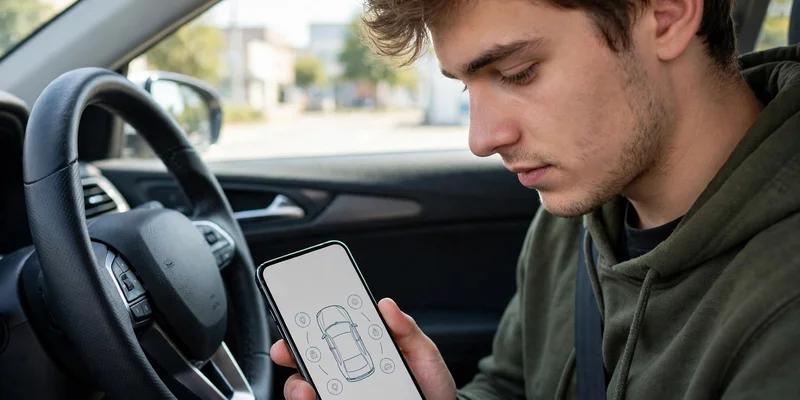
The best OBD2 scanner for beginners is the FIXD sensor, at about $59. It pairs with your phone, explains each code in plain English, and sends maintenance reminders for each car you add to the app.
- FIXD sensor: about $59, with a free basic app. The sensor plugs into the port and stays there, so it can alert you when a new code appears. A mom in Ohio uses it on the family SUV and the teen’s sedan, and the app tells her which car needs attention.
- BlueDriver: about $100, for beginners who want more. It costs more, but the repair reports and live data make it the better long-term buy. If you also want a pro-grade handheld tool, our Autel diagnostic tool guide covers the bigger Autel models that shops use.
A real example from a first-time user
A new driver in Tampa bought a FIXD sensor after her check engine light came on.
Which OBD2 scanner is best for DIY repairs and live data?
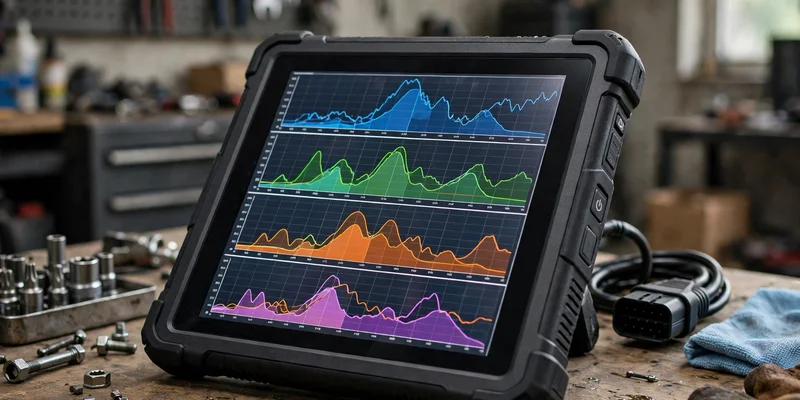
The best OBD2 scanner for DIY repairs and live data is the Innova 5610, at about $300. It reads all systems, graphs live data, tests the battery and alternator, and runs service resets that cheaper tools cannot do.
- Innova 5610: about $300. It is the home garage pick for serious DIY work. A home mechanic in Houston used it to graph a failing oxygen sensor and confirm the fault before buying the part, and our list of bad oxygen sensor symptoms matches what he saw on the graph.
- Launch CRP123X: about $170. It reads all systems and shows live data for half the price. It lacks some service resets, but it covers the codes and data most DIY jobs need. An OBDLink MX+ at about $120 is a Bluetooth pick for phone apps, and it helps you check transmission fluid at home with live temperature data.
A real example from a DIY repair
A driver in Seattle chased a rough idle for weeks.
How do you use an OBD2 scanner at home?
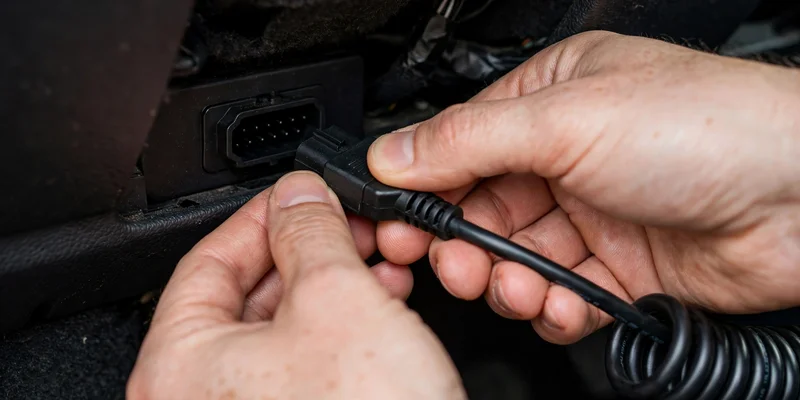
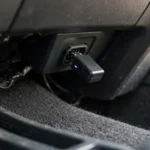
To use an OBD2 scanner at home, plug it into the port under the dash on the driver side, turn the key to on, and read the codes on the screen or in the app. Write the codes down, look up what they mean, and fix the cause before you clear the light.
- Step 1: plug in and read. Find the port, plug the scanner in, and turn the key on. A Bluetooth scanner needs the app open on your phone, while a handheld reader shows the code on its own screen.
- Step 2: look up the code and test. A code is a clue, not a diagnosis. A P0171 lean code can mean a vacuum leak, a weak fuel pump, or a bad sensor, so test before you buy parts. A charging fault can also point to the alternator, so read how to tell if your alternator is bad and tell if your car battery is bad before you replace either one.
A real example from a first scan
A driver in Atlanta plugged a $35 reader into his 2017 Ford F-150 and got code P0442, a small evap leak. A smell of burning rubber with the light on is a separate warning, as our guide on why your car smells like burning rubber explains.
Is an OBD2 scanner worth buying for home use?
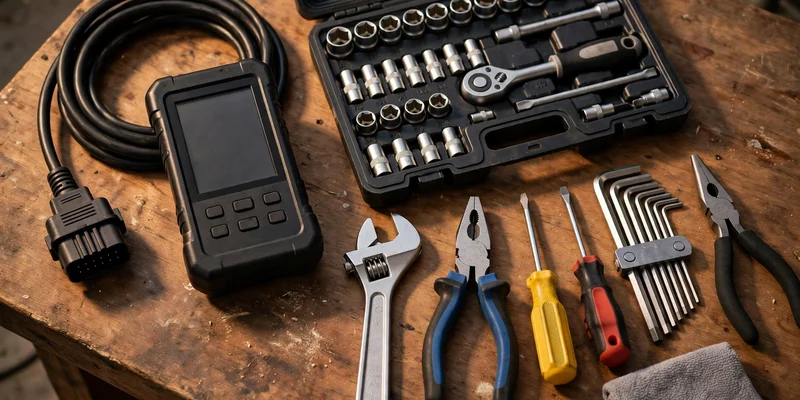
Yes, an OBD2 scanner is worth buying for home use if your car is 5 or more years old or you own 2 or more cars. One use can save a $100 to $150 shop diagnostic fee, which pays for most scanners at once.
- Buy one if your car is older or you do small DIY jobs. A 2015 or older car will throw codes more often, and a scanner turns a scary light into a clear next step. A home mechanic who changes plugs, sensors, and filters will use it every month.
- Skip the pro tool if you only want a code number. A $25 to $35 reader does that job fine. Spend the extra $65 on a BlueDriver only if you want repair reports, live data, and multi-car support.
A real example from the payback math
A driver in Phoenix bought a BlueDriver for $100 after a shop charged him $130 to read a code.
Frequently Asked Questions
What is the best OBD2 scanner for home use?
The best OBD2 scanner for home use is the BlueDriver Bluetooth Pro at about $100. It pairs with your phone, gives repair reports in plain English, and reads live data. The Autel AutoLink AL319 at about $35 is the best budget pick if you only need to read and clear codes.
Do OBD2 scanners work on all cars?
OBD2 scanners work on all gas cars sold in the US from 1996 onward, and on most diesels from 2008 onward. The port sits under the dash on the driver side. Some luxury brands lock advanced features like ABS and airbag codes, so a basic scanner may only read engine codes on those cars.
Can an OBD2 scanner clear a check engine light?
Yes, an OBD2 scanner can clear a check engine light, but it does not fix the fault behind it. If the problem is still there, the light will come back after a few drives. Fix the cause first, such as a loose gas cap or a bad sensor, then clear the code and watch for it to stay off.
What is the difference between a cheap and an expensive OBD2 scanner?
Cheap scanners read and clear engine codes and check emissions readiness. Pricey scanners add live data graphs, ABS and airbag codes, battery tests, and service resets. A $25 reader suits a quick code check, while a $200 to $300 tool suits a home mechanic who does real repairs.
Can I use an OBD2 scanner on my phone?
Yes, Bluetooth OBD2 scanners like BlueDriver and FIXD pair with your phone and show codes in an app. The app gives plain-English code meanings, live data, and repair estimates. Check that the scanner works with your phone, since some models support iPhone and Android while others support only one.
How much does an OBD2 scanner cost in 2026?
A basic OBD2 scanner costs $25 to $40 in 2026, a good Bluetooth model costs $60 to $120, and a pro-level handheld tool costs $150 to $350. Most home users do fine with a $60 to $100 model. A shop diagnostic fee runs $100 to $150, so one use can pay for the scanner.
Will an OBD2 scanner tell me exactly what is wrong with my car?
An OBD2 scanner tells you the fault code and the system that reported it, but not always the exact part that failed. A P0171 code means the engine runs lean, yet the cause could be a vacuum leak, a fuel pump, or a sensor. Use the code as a starting point, then test the likely parts.
Is the BlueDriver or FIXD scanner better for home use?
BlueDriver is better for home use if you want repair reports and live data, since it covers more systems and gives code-specific fixes. FIXD is better if you want the simplest app and plain-English alerts for several cars. Both cost under $100, so pick BlueDriver for depth and FIXD for ease.
Conclusion
So, in this article, we covered best OBD2 scanner for home use in detail. You now know the BlueDriver at about $100 is the best all-round pick, the Autel AL319 at about $35 is the best budget pick, and the Innova 5610 at about $300 suits serious DIY repairs. You also know how to plug a scanner in, read a code, and use it to avoid a $120 shop fee. My advice is simple: buy the BlueDriver if you want one tool that does it all, or the AL319 if you only need codes. Keep it in your glove box, and the next time the light comes on, you will know what it means before you call a shop. Tell us which scanner you use in the comments below.