
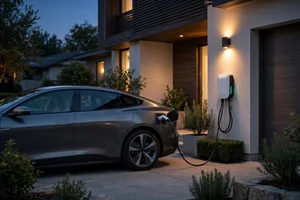
The electric car tax credit 2026 USA picture looks very different from last year. The federal EV tax credit ended on September 30, 2025, so no new federal credit exists in 2026. State rebates, utility rebates, and a new car loan interest deduction can still cut your cost. Here is what ended, who can still claim, and where the money is.
If you planned to buy an electric car in 2026 and count on the federal $7,500 credit, here is what you need to know first. The electric car tax credit 2026 USA buyers expected is gone. Congress ended the federal clean vehicle credit for cars acquired after September 30, 2025, and the used EV credit and the commercial credit ended on the same date. That hurts, but your savings are not zero. State rebates still pay up to $12,000 in some places, utilities offer cash back on chargers, and a new federal car loan interest deduction can save you money each year through 2028. Every program has its own rules and deadlines, and funds run out fast. Here is what ended, what is still alive, and how to stack the savings that are left.
Is there still a federal EV tax credit in 2026?
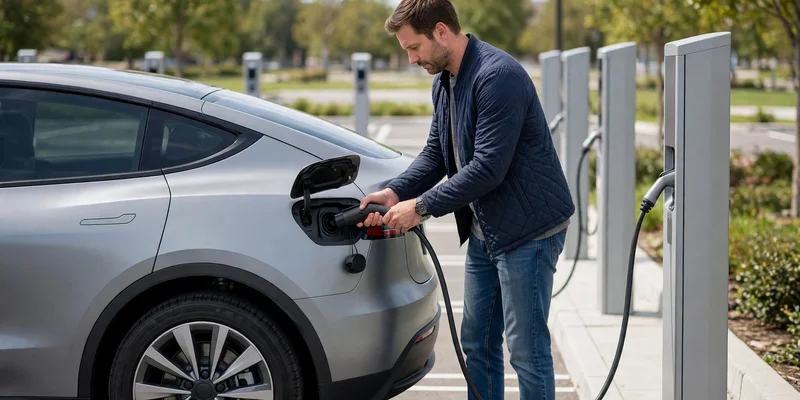
No. There is no federal tax credit for buying an electric car in 2026. The clean vehicle credit ended for cars acquired after September 30, 2025, and the used and commercial credits ended too.
New to EVs? Read our guide on what an electric vehicle is first. The old credit was worth up to $7,500 on a new EV that met battery, assembly, and income rules, and dealers applied it at the point of sale.
- New EVs lost up to $7,500. Section 30D covered new EVs and plug-in hybrids, and it ended Sept 30.
- Used EVs lost up to $4,000. Section 25E helped buyers of cheaper used EVs, and it ended the same day.
What exactly ended and when?

Three federal credits ended for vehicles acquired after September 30, 2025: section 30D for new EVs, section 25E for used EVs, and section 45W for commercial and leased EVs.
The One Big Beautiful Bill Act, Public Law 119-21, was signed July 4, 2025, and it set the Sept 30, 2025 cutoff, giving buyers under three months to act. One more credit runs later: the home charger credit ends for equipment placed in service after June 30, 2026.
- July 4, 2025: the law was signed. The Act set the cutoff date for all three vehicle credits.
- Sept 30, 2025: the last day for vehicle credits. Cars acquired after this date get no federal credit, losing up to $7,500 on new EVs and $4,000 on used ones.
- June 30, 2026: the last day for the charger credit. A charger placed in service after this date gets no credit.
Can you still claim the credit if you bought before the deadline?

Yes, if you signed a binding written contract and paid on or before Sept 30, 2025, you can still claim the credit even if the car arrived later.
This narrow exception is the only way a 2026 delivery can still get the old credit. The contract must be binding under state law, and the payment must be dated on or before Sept 30, 2025. If you buy from a dealer, read how car dealerships make money on used cars first.
- Keep the signed contract. It must be binding under state law, dated on or before Sept 30, 2025, and name the vehicle, price, and buyer.
- Keep proof of payment. A deposit receipt or bank record dated on or before Sept 30, 2025 proves you paid before the cutoff.
- Check a used EV first. A scan with an Autel diagnostic tool flags battery faults, a shop can trace faults with an automotive oscilloscope kit, and a slow test drive can catch a car that makes a clicking noise when turning.
What state EV rebates are still paying in 2026?
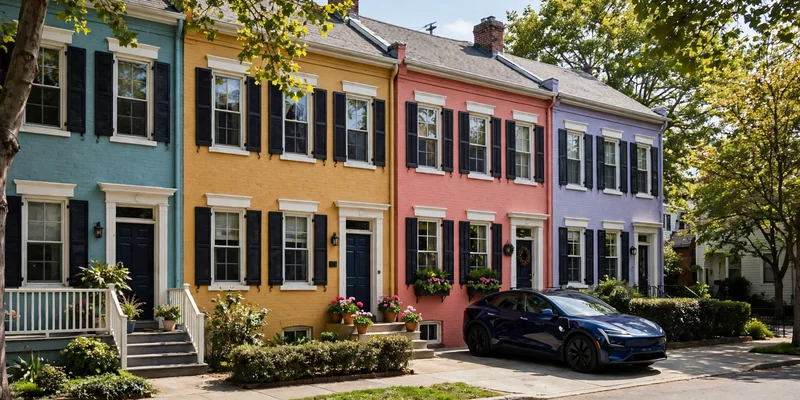
Yes, many states still pay cash rebates in 2026, from $2,000 in New York to up to $12,000 in California for income-qualified buyers. Amounts change and funds run out, so check first.
Best state rebates at a glance
- Colorado pays up to $3,250 on cheaper EVs. Vehicle Exchange Colorado adds up to $9,000 for income-qualified buyers with an old gas car trade-in.
- New Jersey pays up to $4,000 through Charge Up NJ. The car must cost $55,000 or less.
- Massachusetts pays $3,500 through MOR-EV. Income-qualified buyers can get up to $6,000.
More states still paying in 2026
- New York pays up to $2,000. Drive Clean applies at the dealer, and the amount drops as the price rises.
- California pays up to $12,000. Clean Cars 4 All helps income-qualified buyers. The old CVRP rebate closed in 2023.
- Connecticut pays up to $5,000 through CHEAPR. Oregon pays up to $2,500, or up to $7,500 for income-qualified buyers.
What about utility rebates and charger incentives?
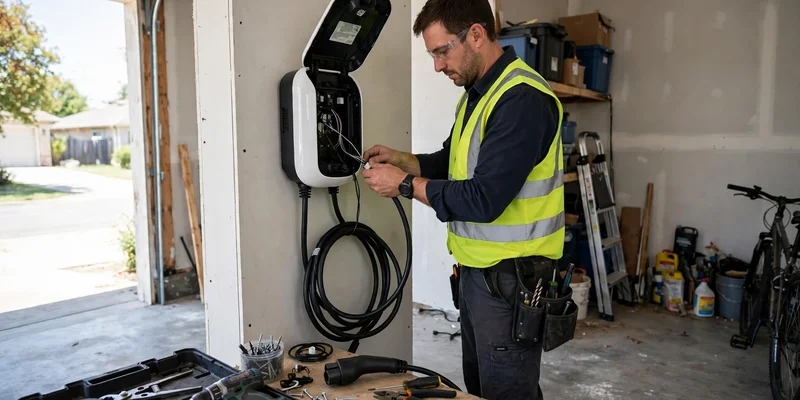
Yes, many electric utilities still pay rebates for home chargers in 2026, often $500 to $1,000 or more, plus cheaper off-peak charging rates.
A home Level 2 charger often costs $1,000 to $2,000 to buy and install, so a utility rebate can cover half the job. Check your utility site first.
- Xcel Energy pays charger rebates in the Midwest. It offers cash back on Level 2 chargers and lower rates if you charge overnight.
- PG&E and SCE run charger programs in California. Both offer rebates and time-of-use rates that can cut charging costs by 30 percent or more.
- PSEG and Eversource help on the East Coast. Both offer charger rebates and smart charger programs, each with its own approved charger list.
What is the new car loan interest deduction and how does it help EV buyers?

The new federal deduction lets you deduct up to $10,000 a year in car loan interest for a new US-assembled vehicle, and it runs for tax years 2025 through 2028.
This deduction is the main federal help left for car buyers in 2026, and it covers EVs too. The car must be new and assembled in the United States, and income limits apply. Read our car loan interest deduction 2026 guide for the full rules.
- Up to $10,000 a year. You can deduct interest on a loan for a new US-assembled vehicle, for 2025 through 2028.
- A real example. A $40,000 loan at 7 percent costs about $2,800 in interest in year one, and a buyer in the 22 percent bracket saves around $600 on tax.
- New cars only, no classics. Used cars and classics do not qualify, so a matching numbers classic car you restore gets no help here.
- Keep clean records. Save your loan statements, and automotive accounting software can keep the numbers in one place.
Frequently Asked Questions
Is there a federal EV tax credit in 2026 under the electric car tax credit 2026 USA rules?
No, there is no federal EV tax credit for 2026 cars. The clean vehicle credit under section 30D ended for vehicles acquired after September 30, 2025, and the used and commercial credits ended on the same date, with no replacement credit.
When did the $7,500 EV tax credit end?
The $7,500 credit ended for vehicles acquired after September 30, 2025. The One Big Beautiful Bill Act, signed July 4, 2025, set that cutoff date. Cars acquired by Sept 30, 2025 still qualified, but later cars get no federal credit.
Can I still claim the credit if I ordered my EV in 2025?
Yes, if you signed a binding written contract and made a payment on or before Sept 30, 2025. You can still claim the credit even if delivery came after the cutoff. Keep the contract and the payment proof for your tax preparer.
What state rebates can I get for an EV in 2026?
Several states still pay well in 2026. Colorado pays up to $3,250, New Jersey up to $4,000, Massachusetts $3,500, New York up to $2,000, Connecticut up to $5,000, and Oregon up to $2,500. California pays up to $12,000 for income-qualified buyers.
Does California still offer EV rebates in 2026?
Yes, California still offers up to $12,000 through Clean Cars 4 All for income-qualified buyers. The older CVRP rebate closed in 2023 and takes no new claims. Check the Clean Cars 4 All page before you buy, because funds are limited.
Is there still a tax credit for a home EV charger?
Yes, but only for a short time. The home charger credit under section 30C ends for equipment placed in service after June 30, 2026. Install your home charger before that date and keep the receipts for your federal tax return.
What is the new car loan interest deduction for 2026?
It is a federal deduction of up to $10,000 a year in car loan interest, for tax years 2025 through 2028. The car must be new and US-assembled, and the loan must be secured by the vehicle. Income limits apply, so check the rules.
Should I still buy an EV in 2026 now that the electric car tax credit 2026 USA is gone?
Yes, it can still pay off. Check your state and utility rebates and the car loan interest deduction, then compare the total cost with a gas car. An EV with a $4,000 state rebate and cheap home charging can cost less over five years.
Final Thoughts: Plan Your 2026 EV Purchase Without the Federal Credit
So, in this article, we covered electric car tax credit 2026 USA in detail. The federal $7,500 credit is gone for cars acquired after Sept 30, 2025, but state rebates up to $12,000, utility charger rebates, and the new car loan interest deduction can still save you thousands. The best move is to pick your state program first, then choose a car that fits its price cap and rules. Check the program page before you buy, because funds run out fast. My personal recommendation is simple: buy the EV that fits your state rebate, install a home charger while the section 30C credit still runs, and talk to a tax preparer about the loan interest deduction before you sign the loan.
Note: This is general information, not tax advice. Talk to a qualified tax professional before you buy.




1 thought on “Electric Car Tax Credit 2026 USA: What Changed and What Is Still Left”
Pingback: Car Makes Clicking Noise When Turning: Causes and Fixes