The classic car vs antique car difference comes down to age, use, and how the state and the insurer see the car. A classic car is 20 to 30 years old and still driven for fun, while an antique car is at least 25 years old and kept for shows and trips. The label changes the plates, insurance, and value.
You have probably heard classic and antique used like they mean the same thing, and that mix up can cause real trouble at the DMV and with your insurer. The classic car vs antique car difference starts with age, yet it does not end there. A 1968 Mustang and a 1928 Ford are both old, but they sit in different groups, and the rules for each one are not the same. Use, original parts, and state rules all play a part, so a car that is antique in Texas may be only a classic in another state. Here is the thing: get the label wrong and you can pay the wrong fee or lose cover after a crash. This guide keeps it simple.
Quick verdict: If your car is 25 to 40 years old and you still drive it on weekends, it is most likely a classic. If it is over 25 years old and you keep it mostly for shows and club events, it fits the antique label best.
What is the difference between a classic car and an antique car?
A classic car is usually 20 to 30 years old and still driven for fun, while an antique car is at least 25 years old and kept in original or restored shape for display and limited use.
Table — Feature comparison:
| Age | Classic: 20 to 30 years old | Antique: 25 years old or older |
| Use | Classic: Weekend drives | Antique: Shows and club events |
- Sellers use both words to raise the price. A 1998 sedan may be sold as an antique, and a buyer who trusts the word pays too much.
- Clubs and states use different age lines. The Antique Automobile Club of America sets antique at 25 years, while some states set the line at 30 or 35 years.
A real example
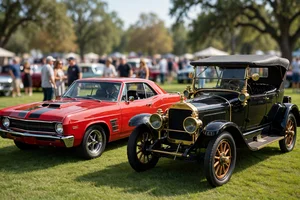
A 1967 Ford Mustang next to a 1929 Ford Model A at a show in Ohio tells the story. The Mustang is built for weekend drives, while the Model A shows how cars looked almost 100 years ago. See the guide to matching numbers classic car (https://automotivescope.com/matching-numbers-classic-car/) on why original parts matter.
How old does a car have to be to count as classic or antique?
A car usually counts as classic at 20 to 30 years old, and as antique at 25 years old or older, though your state DMV sets the exact line.
- AACA uses 25 years for antique status. A car built in 2001 hits that line in 2026.
- State DMV rules run from 25 to 45 years for antique plates. Texas and Florida use 25 years, California uses 25 years for historical plates, and some states use 30 or 35 years. Check your own DMV site.
Work out your car age
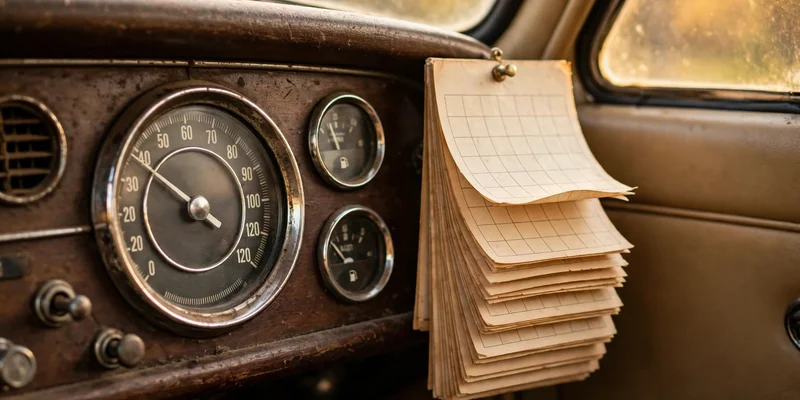
Take 2026 and subtract the model year. A 1996 car is 30, so it clears the classic line and the 25 year antique line. A 2004 car is 22, so it is classic but not yet antique.
What is a vintage car, and how is it different?
A vintage car is built from 1919 to 1930, so it is older than most classics and sits inside the antique group, not beside it.
- Vintage cars need rare parts and expert care. A broken part for a 1925 car may need custom work that costs $1,000 or more for one small piece.
- Vintage cars are rarely driven far. Most owners trailer them to shows and drive them only a few hundred miles a year, since the brakes and steering were built for roads of 100 years ago.
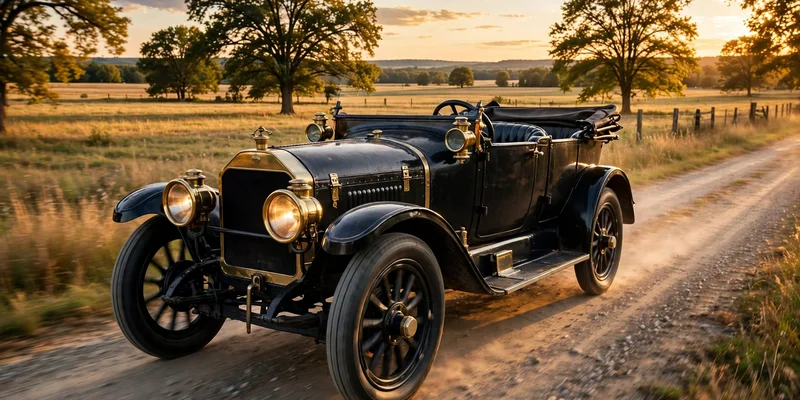
A real example
A 1929 Cadillac in Michigan tops out near 60 miles per hour, and the owner drives it 5 miles to the show and back. A vintage car is a museum piece you can drive, while a classic car is a weekend car you can take 100 miles without worry.
How do classic and antique cars differ in registration and plates?
Antique plates usually cost less, last longer, and come with strict use limits, while classic plates cost more and let you drive the car more often.
- Antique plates limit how you use the car. Many states allow them only for shows, parades, and club events, and daily trips to work can bring a fine.
- Classic plates allow normal weekend use. A car with classic plates can go to dinner or on a 200 mile weekend trip, and the owner does not need to prove it was a club event.
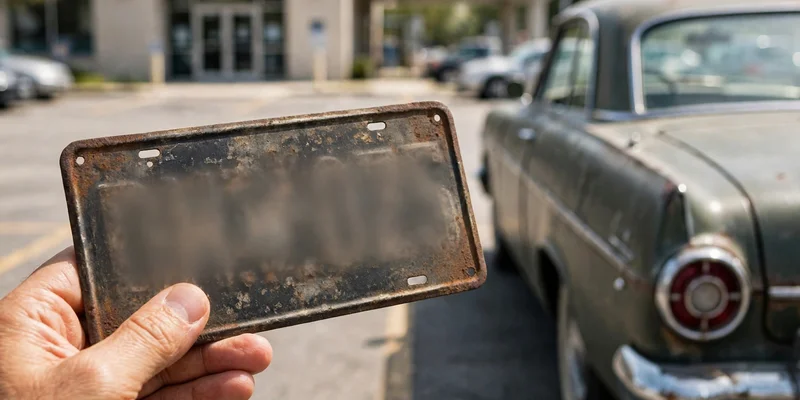
A real example
A Texas owner registers a 1972 Chevy truck as an antique for a $50 one time plate fee and skips the yearly inspection. Antique plates cost $25 to $75, while classic plates cost $50 to $150 a year. The guide to store a classic car for winter (https://automotivescope.com/store-classic-car-for-winter/) covers how to keep a stored car safe.
How does insurance differ for classic and antique cars?
Classic and antique insurance both use agreed value cover, but antique policies cost less and set tighter limits on miles, storage, and daily use.
- Antique policies are cheaper because the car drives less. A $40,000 antique may cost $250 to $500 a year, while a $40,000 classic driven 5,000 miles a year may cost $400 to $800.
- Mileage limits are strict on both, and tighter on antique cover. Many policies cap miles at 2,500 to 7,500 a year, and the insurer may ask for a photo of the odometer at renewal.

Why repair costs matter
Collector insurance works the other way: you agree the value up front, often $20,000 to $100,000. A car smells like burning rubber (https://automotivescope.com/car-smells-like-burning-rubber/) can point to a slipping belt, and a fault like that left alone can turn into a $500 repair. The cost to open an auto repair shop (https://automotivescope.com/cost-to-open-auto-repair-shop/) shows why specialist shops charge so much.
Which should you buy: a classic car or an antique car?
Buy a classic if you want to drive it often on weekends, and buy an antique if you want a show piece and you are ready for higher care costs and tighter use rules.
- Pick a classic for regular weekend driving. A 1985 Porsche 911 or a 1990 Mazda Miata is fun, parts are easy to find, and you can drive it 3,000 miles a year.
- Check the car like a buyer, not a fan. Look for rust under the floors, and check transmission fluid at home (https://automotivescope.com/check-transmission-fluid-at-home/) on an automatic, since burnt fluid can mean a $2,500 rebuild. Bad oxygen sensor symptoms (https://automotivescope.com/bad-oxygen-sensor-symptoms/) can also hide behind a check engine light on a 1990s classic.

Money facts before you buy
A good classic costs $15,000 to $50,000 in 2026, while a good antique starts at $30,000 and can pass $100,000 fast. The car loan interest deduction 2026 (https://automotivescope.com/car-loan-interest-deduction-2026/) covers new cars, not old ones, and the electric car tax credit 2026 USA (https://automotivescope.com/electric-car-tax-credit-2026-usa/) does not apply to a classic or antique car either. Budget $1,000 to $3,000 a year for upkeep on a classic, and $2,000 to $5,000 a year on an antique.
Frequently Asked Questions
Is a 25 year old car a classic or an antique?
A 25 year old car can be both, since the Antique Automobile Club of America sets antique at 25 years and many insurers set classic at 20 to 25 years. Some states use 30 or 35 years for plates. The classic car vs antique car difference shows up in the plate rules too.
What is the classic car vs antique car difference in age?
The classic car vs antique car difference is small. Classic usually means 20 to 30 years old, while antique usually means 25 years old or older. A 1996 car is 30 years old in 2026, so it fits both labels in most states.
Is a 30 year old car an antique?
Yes, a 30 year old car is an antique in most states, since it is past the common 25 year line. A car built in 1996 is 30 years old in 2026, so it can get antique plates in Texas, Florida, and California.
What is a vintage car?
A vintage car is built from 1919 to 1930, and it is the oldest of the three labels. Every vintage car counts as an antique, but not every antique car is vintage. A 1928 Buick is vintage, while a 1965 Mustang is classic.
Can you drive an antique car every day?
No, you should not drive an antique car every day if it has antique plates. Most states limit antique plated cars to shows, parades, club events, and test drives. Daily use can break the plate rule and bring a fine.
Is classic car insurance cheaper than normal insurance?
Yes, classic car insurance is often cheaper than normal insurance, since the car drives fewer miles. A $40,000 classic may cost $400 to $800 a year on agreed value cover. Normal cover on a daily driver often costs $1,200 or more.
Does an antique car need an emissions test?
An antique car often skips the emissions test, since cars over 25 years old are exempt in places like Texas and California. The rule is not the same in every state, and some states still test cars up to 30 years old.
Which is worth more, a classic car or an antique car?
An antique car is often worth more than a classic car, since it is older and rarer. A good classic costs $15,000 to $50,000, while a good antique often starts at $30,000. Condition and original parts matter more than the label alone.
Conclusion
So, in this article, we covered classic car vs antique car difference in detail. You now know a classic is usually 20 to 30 years old and made for weekend fun, while an antique is at least 25 years old and kept for shows and special trips. Age sets the start line, but state plates, insurance limits, and use rules finish the job. My advice is simple: pick the classic if you want to drive, and pick the antique if you want to show and keep history alive. Check your DMV rule and get an agreed value quote before you buy, then enjoy the car you chose. If you are still unsure, ask your DMV and your insurer the same question and compare their answers.